
Overview
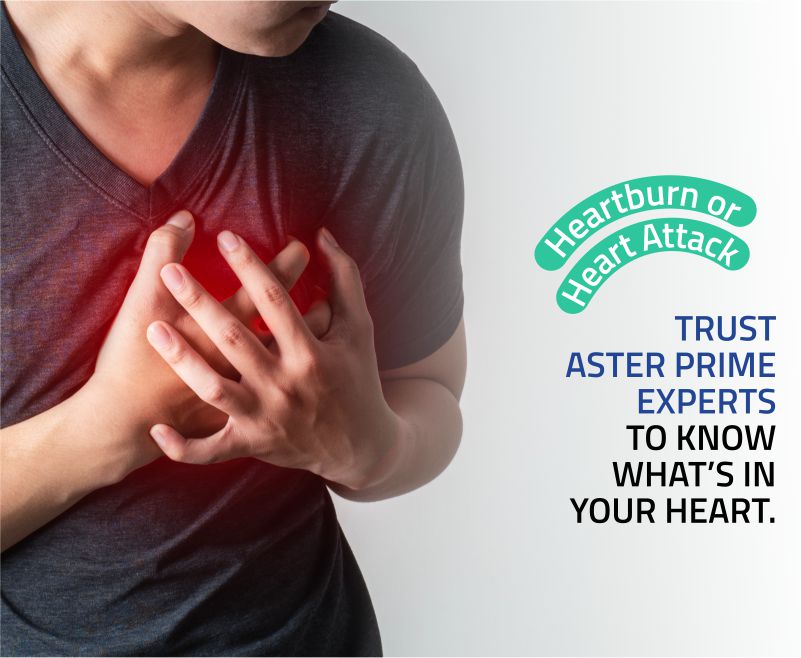
Heart attack often feels like pressure, heaviness, or squeezing pain in the chest. It may also spread to the arm, neck, jaw, or back.
Heartburn usually causes a burning sensation in the chest and may be accompanied by a sour or bitter taste in the mouth.
Differentiate them based on clinical symptoms:
Heartburn (GERD/Acid Reflux):
Cause: Acid reflux irritating the esophagus.
Key Clinical Features:
-
Burning sensation in the chest or upper abdomen.
-
Pain often starts after eating, especially spicy or fatty foods.
-
Pain may worsen when lying down or bending over.
-
May be relieved by antacids.
-
Often associated with a sour taste, burping, or regurgitation.
-
Usually not associated with exertion.
-
Pain does not radiate.
Myocardial Infarction (MI):
-
Pressure, squeezing, or tightness in the center or left side of chest.
-
Pain may radiate to: Left arm, Neck or jaw, Back or shoulders
-
Not related to meals; more likely to occur at rest or with exertion.
-
Not relieved by antacids.
Associated symptoms:
-
Shortness of breath
-
Cold sweats
-
Nausea or vomiting
-
Lightheadedness or dizziness
-
Feeling of impending doom
-
Often lasts more than 20 minutes and may wax and wane.
Alarm signs Suggesting heart attack:
-
Chest pain during physical activity or emotional stress
-
Pain radiating to jaw, neck, arms
-
Accompanied by sweating, nausea, or breathlessness
-
No relief with antacids or positional changes
-
History of cardiovascular disease, diabetes, or smoking
Easy Rule of Thumb:
“If chest pain is new, severe, or scary—treat it like a heart attack until a doctor proves otherwise.”
When in doubt, order ECG and cardiac enzymes.