
World Kidney Cancer Day is observed globally to spread awareness about kidney cancer, highlight the importance of early detection, and encourage access to timely, advanced treatment. In alignment with the World Health Organization (WHO) global cancer control goals, this year’s awareness focus emphasizes early diagnosis, equitable access to quality care, patient safety, and improved survivorship outcomes for all individuals affected by kidney cancer.
Kidney cancer is one of the most common urological malignancies affecting adults, and its incidence is gradually rising worldwide due to increased detection through advanced imaging and changing lifestyle patterns. Despite being potentially serious, kidney cancer is highly treatable when diagnosed early.
Understanding Kidney Cancer
Kidney cancer, medically known as renal cell carcinoma, begins in the cells lining the small tubes of the kidney. The kidneys play a vital role in:
- Filtering waste from blood
- Maintaining fluid and electrolyte balance
- Regulating blood pressure
- Producing important hormones
In early stages, kidney cancer often develops silently without noticeable symptoms, making awareness and routine health check-ups extremely important.
Risk Factors You Should Know
Several factors can increase the risk of developing kidney cancer, including:
- Smoking and tobacco use
- Obesity and unhealthy lifestyle
- High blood pressure (hypertension)
- Chronic kidney disease
- Long-term dialysis
- Exposure to certain chemicals
- Family history or genetic predisposition
Adopting a healthy lifestyle significantly reduces the risk of kidney-related diseases.
Common Symptoms
Although early kidney cancer may not show signs, advanced stages may present with:
- Blood in urine (hematuria)
- Persistent pain in the side or lower back
- Unexplained weight loss
- Fatigue and loss of appetite
- Lump or swelling in the abdomen
- Fever not associated with infection
Early consultation with a urologist is essential if any of these symptoms are noticed.
WHO-Driven Message: Early Detection Saves Lives
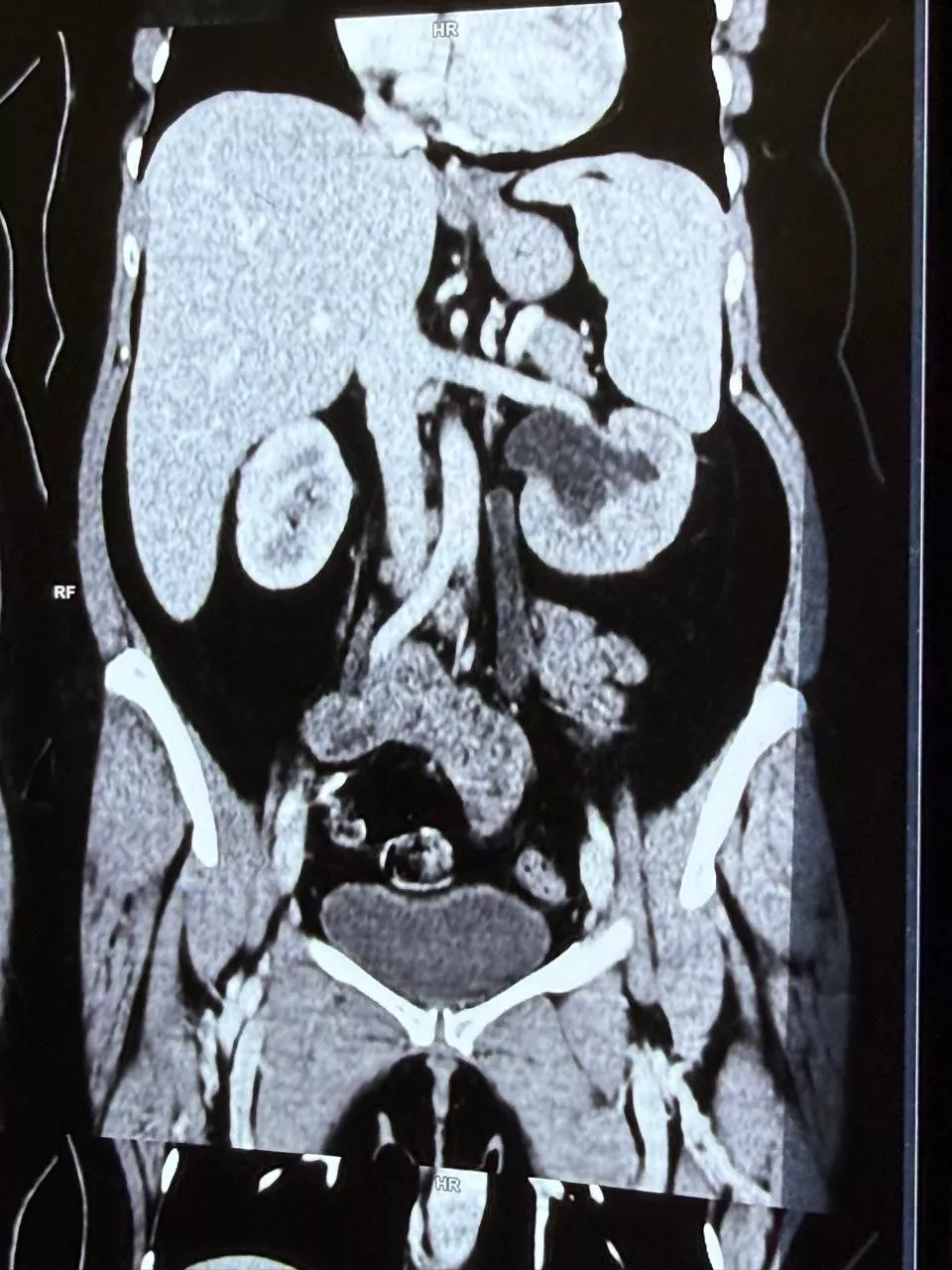
The WHO emphasizes that early detection and timely treatment significantly improve cancer survival rates. In kidney cancer, many cases are now detected incidentally during routine ultrasound or CT scans performed for other conditions.
Regular health check-ups are especially important for:
- Individuals over 40 years of age
- Smokers or former smokers
- Patients with hypertension or diabetes
- Those with family history of cancers
Advanced Treatment Options
Modern urology offers highly effective and minimally invasive treatment approaches, including:
- Partial nephrectomy (kidney-sparing surgery)
- Radical nephrectomy
- Laparoscopic and minimally invasive surgery
- Robotic-assisted procedures for precision and faster recovery
- Targeted therapy and immunotherapy for advanced disease
These advancements aim not only to treat cancer effectively but also to preserve kidney function and enhance quality of life.
Prevention and Healthy Lifestyle
While not all kidney cancers can be prevented, the risk can be significantly reduced by:
- Avoiding tobacco in all forms
- Maintaining a healthy body weight
- Controlling blood pressure and diabetes
- Drinking adequate water daily
- Regular physical activity
- Avoiding unnecessary long-term use of painkillers without medical advice
Prevention and awareness remain the strongest tools against cancer.
Our Commitment at the Hospital
Our hospital is dedicated to delivering comprehensive urological care with:
- Advanced diagnostic imaging facilities
- Minimally invasive and laparoscopic surgical options
- Expert multidisciplinary cancer care
- Personalized treatment planning
- Focus on early detection and patient education
We aim to ensure that every patient receives timely, accurate, and compassionate care throughout their treatment journey.
Message on World Kidney Cancer Day
On this World Kidney Cancer Day, let us unite to spread awareness, encourage regular health screenings, and support those affected by kidney cancer. With early detection, modern treatment, and collective awareness, we can significantly improve outcomes and save lives.
“Early detection, timely treatment, and awareness together create hope for a healthier tomorrow.”