by Dr. Poornima Narayanan Nambiar
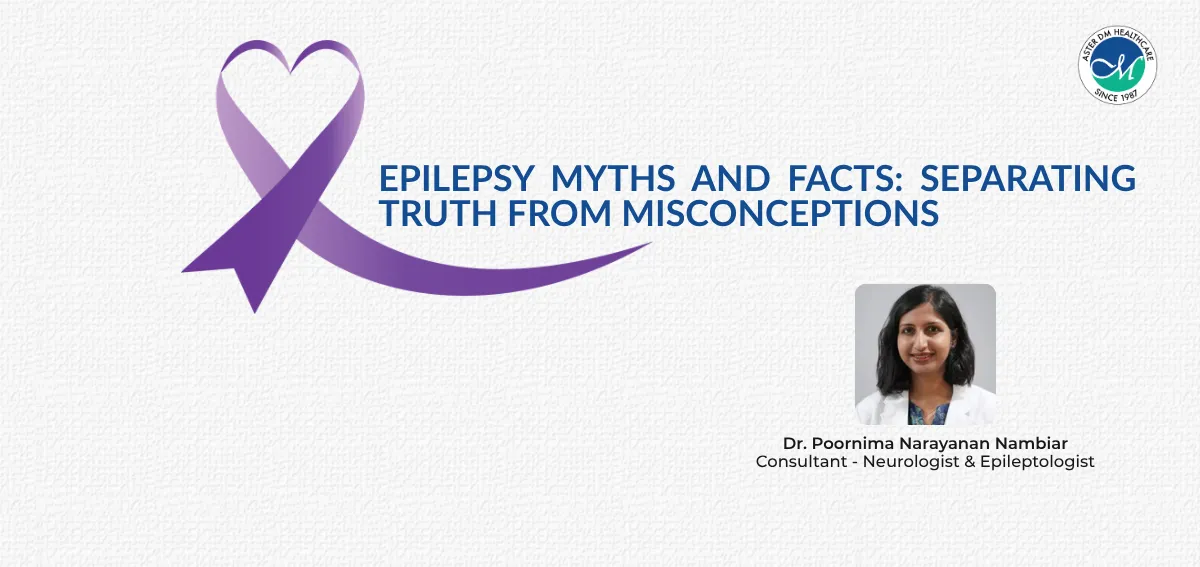

Epilepsy is one of the world's most common neurological disorders, affecting millions of people across all age groups. Despite advances in medical science and increasing awareness, epilepsy remains surrounded by myths, misconceptions, and social stigma. These misunderstandings can prevent people from seeking timely treatment and may negatively impact the quality of life of those living with the condition.
Understanding the facts about epilepsy is essential for creating a more supportive and informed society. Seeking guidance from an epilepsy specialist in Kerala and accessing care at the best hospital for epilepsy treatment in Kerala can help individuals receive accurate diagnosis, effective treatment, and long-term support.
What is Epilepsy?
Epilepsy is a neurological condition that causes recurrent seizures due to abnormal electrical activity in the brain. Seizures can vary widely in appearance and severity, ranging from brief staring spells to more noticeable episodes involving loss of consciousness and jerky movements of the limbs.
While epilepsy is a medical condition, it is often misunderstood because of the unpredictable nature of seizures.
Myth 1: Epilepsy is a Mental Illness
Fact:
Epilepsy is a neurological disorder, not a mental health condition.
It occurs because of abnormal electrical signals in the brain. Although some people with epilepsy may experience anxiety or depression, these are separate conditions and not the cause of epilepsy itself.
Myth 2: People with Epilepsy Cannot Live Normal Lives
Fact:
Most people with epilepsy can lead active, productive, and independent lives.
With proper treatment and regular follow-up, many individuals achieve excellent seizure control. They can pursue education, careers, sports, hobbies, and family life just like anyone else.
Myth 3: You Should Put Something in a Person's Mouth During a Seizure
Fact:
This is one of the most dangerous misconceptions.
Nothing should ever be placed in a person's mouth during a seizure. Contrary to popular belief, a person cannot swallow their tongue. Attempting to place objects in the mouth can cause injuries, broken teeth, or choking.
Instead, focus on keeping the person safe until the seizure ends.
Myth 4: Epilepsy is Contagious
Fact:
Epilepsy cannot be spread from one person to another.
You cannot "catch" epilepsy through physical contact, sharing food, or being near someone during a seizure.
Myth 5: Every Seizure Involves Convulsions
Fact:
Not all seizures cause dramatic shaking movements.
Some seizures may appear as brief staring spells, sudden confusion, unusual sensations, or temporary loss of awareness. Because these symptoms can be subtle, seizures may sometimes go unrecognized.
Myth 6: Epilepsy Only Affects Children
Fact:
Epilepsy can develop at any age.
Although some forms are more common in childhood, epilepsy may also occur in adolescents, adults, and older individuals. Conditions such as stroke, head injury, and structural brain abnormalities can increase the risk in adulthood.
Myth 7: People with Epilepsy Cannot Participate in Sports
Fact:
Physical activity is generally encouraged for people with epilepsy.
Regular exercise can improve overall health, reduce stress, and enhance well-being. While certain precautions may be necessary for high-risk activities, many people with epilepsy safely participate in sports and fitness programs.
Myth 8: Epilepsy Cannot Be Treated
Fact:
Modern medicine offers highly effective treatment options.
Anti-seizure medications successfully control seizures in many patients. For others, advanced treatments such as epilepsy surgery, neurostimulation devices, and specialized diets may provide significant benefits.
The Impact of Stigma
Unfortunately, myths surrounding epilepsy often lead to discrimination, social isolation, and emotional distress. Some individuals may hesitate to disclose their condition because they fear being misunderstood or judged.
Education plays a critical role in reducing stigma and helping communities respond appropriately when seizures occur.
How You Can Support Someone with Epilepsy
Supporting a person with epilepsy does not require medical expertise. Simple actions can make a significant difference:
- Learn basic seizure first aid.
- Stay calm during a seizure.
- Avoid spreading myths or misinformation.
- Encourage adherence to medical treatment.
- Offer emotional support and understanding.
- Treat individuals with epilepsy with respect and inclusion.
Conclusion
Epilepsy is a medical condition—not a curse, a mental illness, or a limitation on a person's potential. By replacing myths with facts, we can create safer, more supportive environments for people living with epilepsy. Increased awareness not only improves understanding but also helps reduce stigma and encourages individuals to seek the care they need.
Knowledge remains one of the most powerful tools in improving the lives of those affected by epilepsy. If you or a loved one experiences seizures, consulting an epilepsy specialist in Kerala and seeking care at the best hospital for epilepsy treatment in Kerala can help ensure timely diagnosis, personalized treatment, and improved quality of life.