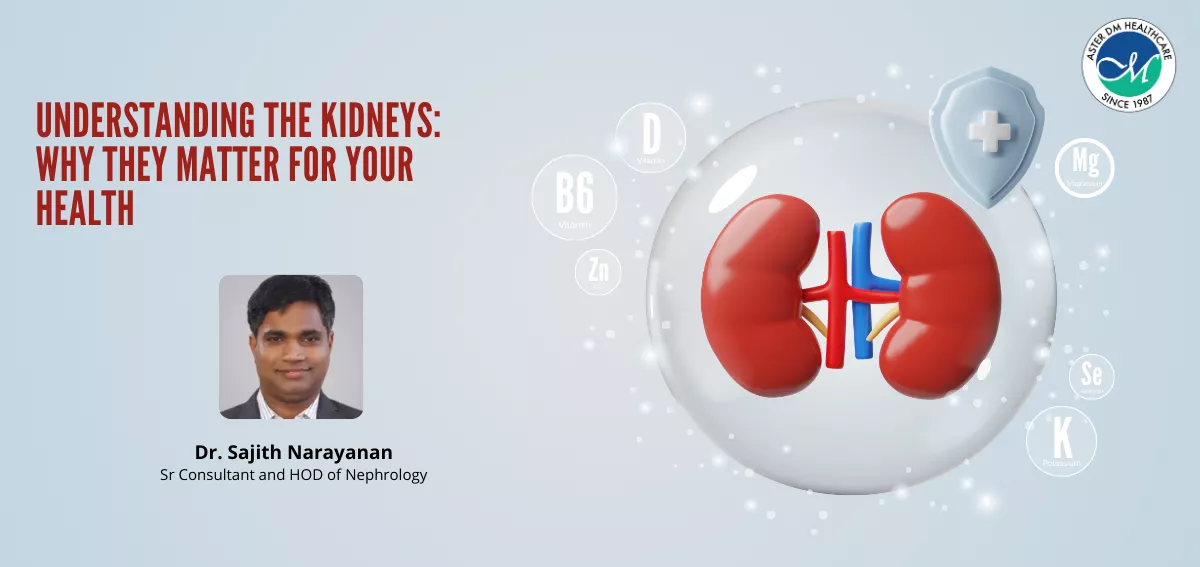

The kidneys are among the most vital organs in the human body. Their primary function is to filter waste products from the blood and remove them from the body through urine. In addition to eliminating toxins, the kidneys help maintain the body’s balance by regulating fluids, salts, and other essential substances.
Because of these crucial roles, maintaining kidney health is essential for overall wellbeing.
How Do We Check If the Kidneys Are Working Properly?
Two of the most important tests used to assess kidney function are urine tests and blood tests.
A urine test can detect the presence of protein, blood, or infection in the urine, which may indicate kidney problems.
Blood tests, particularly those measuring creatinine and urea, help evaluate how efficiently the kidneys are filtering waste from the bloodstream. Abnormal levels in these tests may suggest reduced kidney function.
What Happens If One Kidney Fails?
In many cases, if one kidney stops functioning properly, the other kidney can compensate and continue performing the necessary functions of the body. This is why some people live healthy lives with a single kidney. Individuals who donate a kidney can also continue to lead normal lives because the remaining kidney takes over the workload.
However, problems arise when both kidneys lose a significant portion of their function. When kidney function drops to a very low level, the condition is known as End Stage Kidney Disease (ESKD). At this stage, treatments such as dialysis or kidney transplantation may be required to sustain life.
Causes of Sudden Decline in Kidney Function
In certain situations, kidney function can deteriorate rapidly. This can happen due to several medical conditions, including:
-
Reduced blood flow to the kidneys
-
Very low blood pressure
-
Severe dehydration
-
Serious infections
-
Illnesses such as dengue fever
-
Severe heart diseases
-
Major surgical procedures
Other conditions that may cause sudden kidney dysfunction include:
-
Glomerulonephritis
-
Urinary blockage (such as kidney stones)
-
Severe blood loss
-
Sepsis
-
Use of certain herbal or chemical medicines
-
Excessive use of painkillers
-
Allergic reactions to certain medications
Identifying the cause early is important to prevent further damage.
Warning Signs to Watch For
When kidney function suddenly decreases, certain symptoms may appear. If a generally healthy person experiences the following symptoms, it is advisable to check kidney function:
-
Reduced urine output (though it may remain normal in some cases)
-
Swelling in the ankles or legs
-
Sudden weight gain due to fluid retention
-
Loss of appetite
-
Vomiting
-
Fatigue or weakness
More serious symptoms may include:
-
Shortness of breath
-
Chest pain
-
Irregular heartbeat
-
Seizures
It is important to note that not everyone will experience these symptoms. In many cases, kidney problems are discovered only during routine blood tests. Therefore, if any of these signs appear, consulting a kidney specialist (nephrologist) and undergoing blood and urine tests is strongly recommended.
Key Aspects of Treatment
1. Identifying and Treating the Underlying Cause
The most important step in treating sudden kidney dysfunction is identifying the underlying cause. Conditions such as kidney stones, urinary infections, or low blood pressure require specific treatments. When the cause is diagnosed and managed early, kidney function may improve in many patients.
2. Supportive Treatment
Supportive care plays an important role in kidney recovery. This may include:
-
Treating infections
-
Avoiding medications that can harm the kidneys
-
Managing excess fluid in the body
-
Controlling electrolyte levels, such as potassium
These measures help reduce strain on the kidneys and support recovery.
Diet and Lifestyle for Kidney Health
Diet and lifestyle habits significantly influence kidney health.
For healthy individuals, drinking water when thirsty is usually sufficient. On average, consuming about 2 to 3 liters of water per day is adequate, although more may be needed in hot weather or during physical activity. A light yellow color of urine generally indicates that the body is well hydrated.
However, individuals with kidney disease may need to restrict fluid intake according to their doctor’s advice.
When kidney function declines, potassium levels in the blood can rise, so certain fruits and juices may need to be limited.
Another important factor is salt intake. According to the World Health Organization, a person should not consume more than 5 grams of salt per day, which is roughly equal to one teaspoon. Studies suggest that many people in India consume nearly double this recommended amount, increasing the risk of health problems including kidney disease.
Understanding Dialysis
Many people have misconceptions about dialysis. Dialysis is a medical procedure that performs the kidney’s essential function of removing waste and excess fluids from the blood when the kidneys are unable to do so.
In some cases, dialysis may be required temporarily until kidney function recovers. In other situations, it may be needed as a long-term treatment when kidney function cannot be restored.
Chronic Kidney Disease
When kidney function gradually declines over a long period, the condition is known as Chronic Kidney Disease (CKD). This condition is becoming increasingly common worldwide.
The most common causes of chronic kidney disease are:
-
Diabetes
-
High blood pressure
In CKD, blood creatinine levels usually increase, and imaging tests may show that the kidneys have become smaller.
If kidney function drops to very low levels, treatments such as dialysis or kidney transplantation may become necessary.
Protecting Your Kidney Health
Kidney diseases often progress silently without noticeable symptoms in the early stages. Therefore, individuals with diabetes or high blood pressure should undergo regular blood and urine tests to monitor kidney health.
Adopting a healthy lifestyle, following a balanced diet, staying physically active, and maintaining regular medical checkups can significantly help in protecting kidney function and preventing complications.