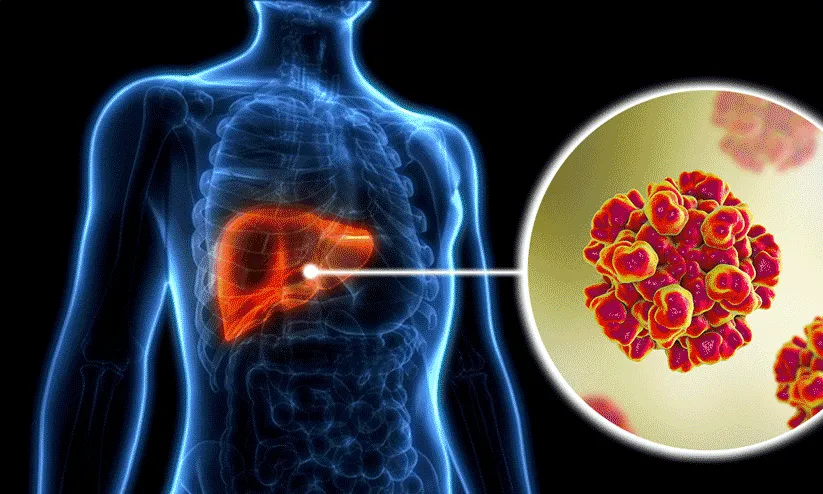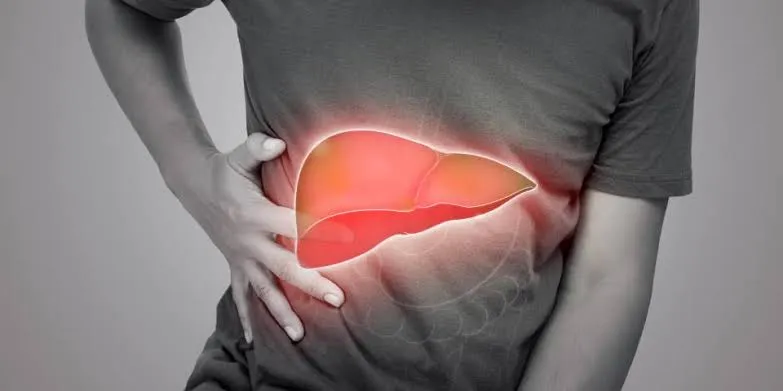

Liver disease is no longer linked only to excessive alcohol consumption. Today, fatty liver disease is becoming increasingly common, often without causing any noticeable symptoms in the early stages.
Fatty liver occurs when excess fat builds up in the liver. While it may seem harmless at first, persistent fatty liver can sometimes progress to liver inflammation, scarring and, in advanced cases, cirrhosis. The good news is that making healthy lifestyle changes early can help protect your liver and reduce the risk of complications.
Don’t Wait for Symptoms
One of the challenges with fatty liver is that many people may not experience symptoms in the early stages. A person can have fatty liver and still feel completely healthy.
That is why regular health check-ups are important, especially if you have overweight or obesity, diabetes, high cholesterol, high blood pressure or other metabolic health concerns.
Rather than waiting until a health problem becomes serious, identifying risk factors early can help you take preventive steps.
Can Your Diet Affect Your Liver?
Yes. What you eat and drink can have an important impact on your liver health.
Regularly consuming excessive amounts of refined carbohydrates, sugary foods and high-calorie foods can contribute to weight gain, insulin resistance and fat accumulation in the liver.
Foods such as rice and tapioca can be part of a balanced diet. However, consuming them in excessive portions, particularly when combined with a sedentary lifestyle, may contribute to metabolic health problems.
Simple Changes for a Healthier Liver
Watch your portions: You don't necessarily have to completely stop eating rice. Instead, pay attention to portion sizes and include vegetables, protein and fibre-rich foods in your meals.
Choose fibre-rich foods: Include vegetables, whole grains, pulses, legumes and suitable fruits as part of a balanced diet.
Cut down on added sugar: Reduce sugar in tea and coffee and limit sweets, bakery products and other foods high in added sugar.
Stay physically active: Regular exercise can help maintain a healthy weight and improve overall metabolic health.
Avoid Extreme or Crash Diets
Wanting to lose weight quickly can sometimes lead people to follow very restrictive diets found online or recommended without proper professional guidance.
Crash diets are difficult to maintain and may not provide the body with the nutrients it needs. Instead of trying to lose a large amount of weight in a short period, focus on gradual and sustainable weight loss.
For people with excess weight and fatty liver, even a modest, medically appropriate reduction in body weight can improve liver health. A healthcare professional or qualified dietitian can help you choose a safe and realistic weight-loss plan based on your individual needs.
Five Simple Ways to Support Your Liver Health
1. Choose Healthier Foods
Limit foods that are high in unhealthy fats, including frequent deep-fried foods and processed foods. Choose more vegetables, whole grains, pulses and healthy sources of protein.
2. Keep an Eye on Your Cholesterol
High triglycerides and low HDL (“good” cholesterol) can be associated with metabolic health problems and fatty liver. Regular health check-ups can help you keep track of your cholesterol levels.
3. Eat Mindfully
Pay attention to portion sizes and avoid regularly overeating. Aim for balanced meals that include vegetables, protein and fibre.
4. Limit Excess Salt
Too much salt can contribute to high blood pressure. Reducing your intake of highly processed and salty foods can support better overall health.
5. Choose Water Over Sugary Drinks
Soft drinks, sweetened beverages and other sugary drinks can add a significant amount of sugar and calories to your diet. Make water your everyday drink whenever possible.
Small Changes Can Make a Big Difference
Taking care of your liver doesn't require drastic changes overnight. Simple, consistent habits such as eating a balanced diet, maintaining a healthy weight, staying physically active and limiting excess sugar and processed foods can support better liver health.
If you have risk factors for fatty liver or have already been diagnosed with it, speak with your doctor about the right lifestyle changes and whether you need regular liver health monitoring.
Your liver works for you every day. Give it the care it deserves. Start with one healthy change today.