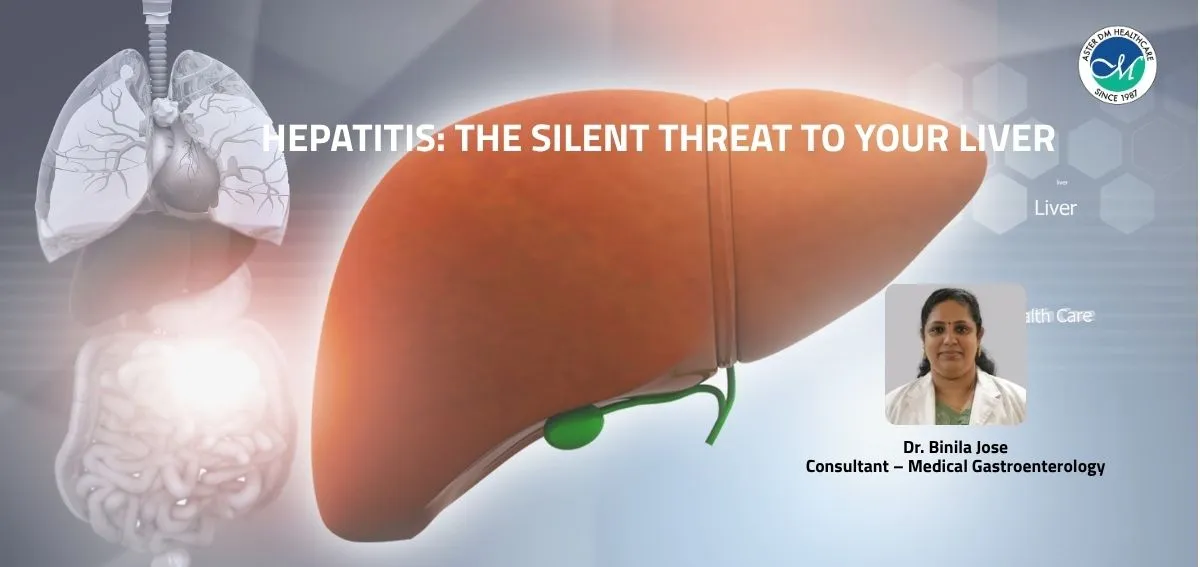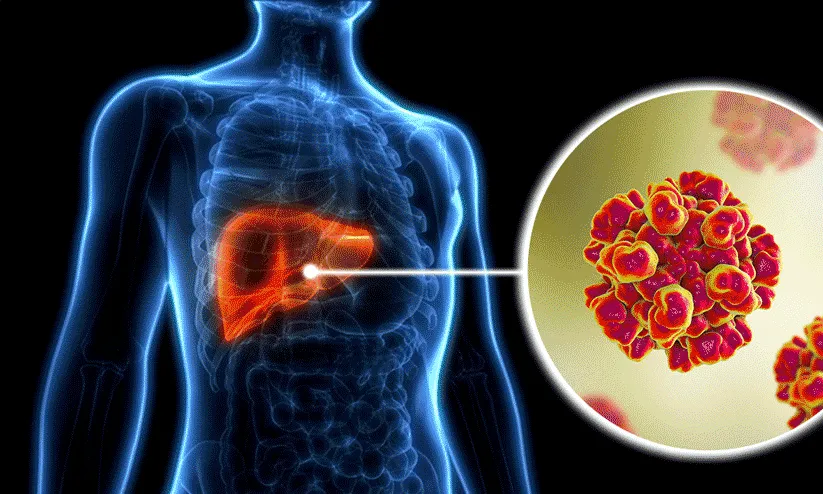

The liver is one of the body's most vital organs, responsible for carrying out more than 500 essential functions, including digestion, detoxification, nutrient storage, and metabolism. When the liver becomes inflamed, the condition is known as hepatitis. This inflammation can be caused by viral infections, excessive alcohol consumption, certain medications, autoimmune diseases, or other underlying factors.
One of the biggest challenges with hepatitis is that it may not cause noticeable symptoms in its early stages. As a result, many people remain unaware of the condition until significant liver damage has already occurred. Without timely diagnosis and appropriate treatment, hepatitis can progress to serious complications such as liver cirrhosis, liver failure, or even liver cancer.
Early Signs You Should Not Ignore
Although symptoms vary from person to person, the following warning signs may indicate liver inflammation:
- Persistent tiredness or weakness that does not improve with rest
- Yellowing of the eyes and skin (jaundice)
- Dark-colored urine or pale stools
- Pain, discomfort, or heaviness in the upper right side of the abdomen
- Loss of appetite, nausea, or vomiting
- Swelling of the abdomen or legs caused by fluid retention
If any of these symptoms persist, it is important to seek medical evaluation without delay.
Common Causes of Hepatitis
Viral Hepatitis
There are five major types of viral hepatitis—A, B, C, D, and E.
- Hepatitis A and E are commonly spread through contaminated food or drinking water and poor sanitation.
- Hepatitis B and C are transmitted through contact with infected blood, sharing contaminated needles, unprotected sexual contact, and from an infected mother to her baby during pregnancy or childbirth.
Alcohol-Related Hepatitis
Long-term heavy alcohol consumption can damage liver cells, leading to inflammation and reduced liver function.
Drug- and Toxin-Induced Hepatitis
Certain medications, herbal supplements, and toxic substances can harm the liver, particularly when used without medical supervision or in excessive amounts.
Autoimmune Hepatitis
In this uncommon condition, the body's immune system mistakenly attacks healthy liver cells, causing chronic inflammation.
Why Early Diagnosis Matters
Many people with Hepatitis B or C may live for years without experiencing any symptoms. Detecting the disease early greatly improves treatment outcomes and helps prevent irreversible liver damage.
Liver Function Test (LFT)
An LFT measures important liver enzymes and bilirubin levels to assess how well the liver is functioning and identify signs of inflammation or injury.
Hepatitis Screening Tests
Simple blood tests, including HBsAg and Anti-HCV, can detect Hepatitis B and C infections before symptoms develop, allowing for early medical intervention.
Viral Load Testing
DNA and RNA tests measure the amount of virus present in the body. These tests help doctors evaluate disease activity and monitor the effectiveness of treatment.
Imaging Studies
Ultrasound and FibroScan examinations provide valuable information about liver structure, stiffness, and the extent of any scarring or fibrosis.
How to Keep Your Liver Healthy
Maintaining good liver health starts with simple preventive measures:
- Get vaccinated against Hepatitis A and Hepatitis B if recommended.
- Drink clean, safe water and eat hygienically prepared food.
- Avoid excessive alcohol consumption to reduce the risk of liver damage.
- Never take medications without consulting a qualified healthcare professional.
- Practice safe hygiene and avoid sharing needles or other instruments that may come into contact with blood.
- Schedule regular health check-ups, especially if you have risk factors for liver disease.
A Healthy Liver for a Healthier Life
Hepatitis is a preventable and, in many cases, treatable condition when diagnosed early. Recognizing the warning signs, undergoing timely screening, and adopting healthy lifestyle habits can significantly reduce the risk of long-term liver damage. Annual health check-ups and appropriate medical guidance play a vital role in protecting your liver and supporting your overall well-being.