
Kerala’s monsoon season brings much-needed relief from the summer heat, but it also creates favourable conditions for the spread of several infectious diseases. West Nile fever, dengue, leptospirosis, and influenza are among the illnesses that require particular attention during this period. While some infections may begin with symptoms resembling an ordinary fever, others can progress to serious complications if medical care is delayed.
Understanding how these diseases spread, recognising their warning signs, and following appropriate preventive measures can help individuals and communities stay safer throughout the rainy season.
Common Monsoon Diseases: What You Should Know
Monsoon-related infections can spread through mosquito bites, contaminated water, or respiratory droplets, depending on the disease. Knowing the differences between these illnesses is important for early recognition and appropriate treatment.
1. West Nile Fever: Recognising the Risks
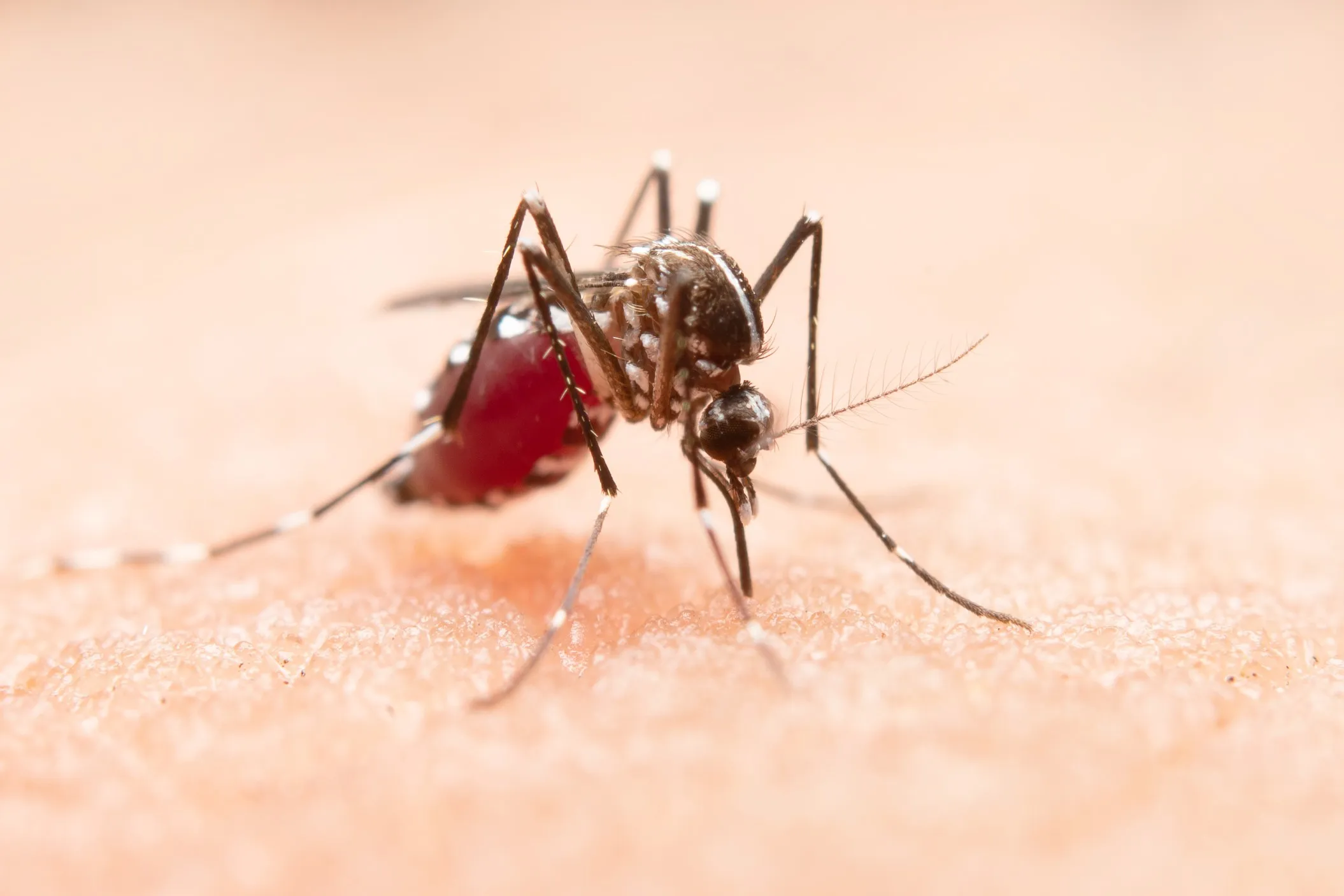
West Nile fever is a viral infection caused by the West Nile virus. The virus primarily circulates between birds and mosquitoes, with infected Culex mosquitoes transmitting it to humans through their bites. Human-to-human transmission does not occur through routine social contact.
Many people infected with the virus remain symptom-free. When symptoms develop, they may include fever, headache, body aches, fatigue, vomiting, and occasionally skin rashes. Most symptomatic cases are mild, but a small proportion can develop serious neurological complications.
In rare instances, the infection affects the brain or the membranes surrounding the brain and spinal cord, resulting in conditions such as encephalitis or meningitis. These complications require urgent medical attention.
Older adults, particularly those over 60, and people with certain underlying medical conditions or weakened immune systems may be more vulnerable to severe illness. Preventing mosquito bites and reducing mosquito breeding sites are important ways to lower the risk of infection.
2. Dengue: Do Not Ignore Persistent Fever
Dengue is a mosquito-borne viral disease transmitted mainly by infected Aedes mosquitoes. These mosquitoes commonly breed in water collected in household containers, discarded tyres, flowerpots, and other objects. They are generally active during the daytime.
Symptoms may include a sudden high fever, severe headache, pain behind the eyes, muscle and joint pain, nausea, and skin rashes. Although many patients recover with appropriate care, some develop severe dengue, which can cause plasma leakage, bleeding, and circulatory complications.
Warning signs such as severe abdominal pain, persistent vomiting, bleeding, unusual drowsiness, or difficulty breathing require immediate medical assessment. A falling platelet count alone does not determine disease severity; clinical evaluation and monitoring are essential.
3. Leptospirosis: Take Care Around Contaminated Water
Leptospirosis is a bacterial infection associated with contact with water or soil contaminated by the urine of infected animals. Rats are an important source, although other infected animals can also spread the bacteria.
During the monsoon, people who walk through flooded streets, clean waterlogged areas, or work in fields may face increased exposure. The bacteria can enter the body through cuts, damaged skin, or the moist tissues of the eyes, nose, and mouth.
Common symptoms include fever, headache, pronounced calf muscle pain, body aches, and red eyes. In severe cases, the infection can damage the kidneys and liver and may affect other organs.
Early diagnosis and appropriate antibiotic treatment can reduce the risk of complications. Anyone who develops fever after possible exposure to contaminated floodwater or soil should seek medical attention promptly and inform the healthcare provider about the exposure.
4. H1N1 and Other Influenza Infections
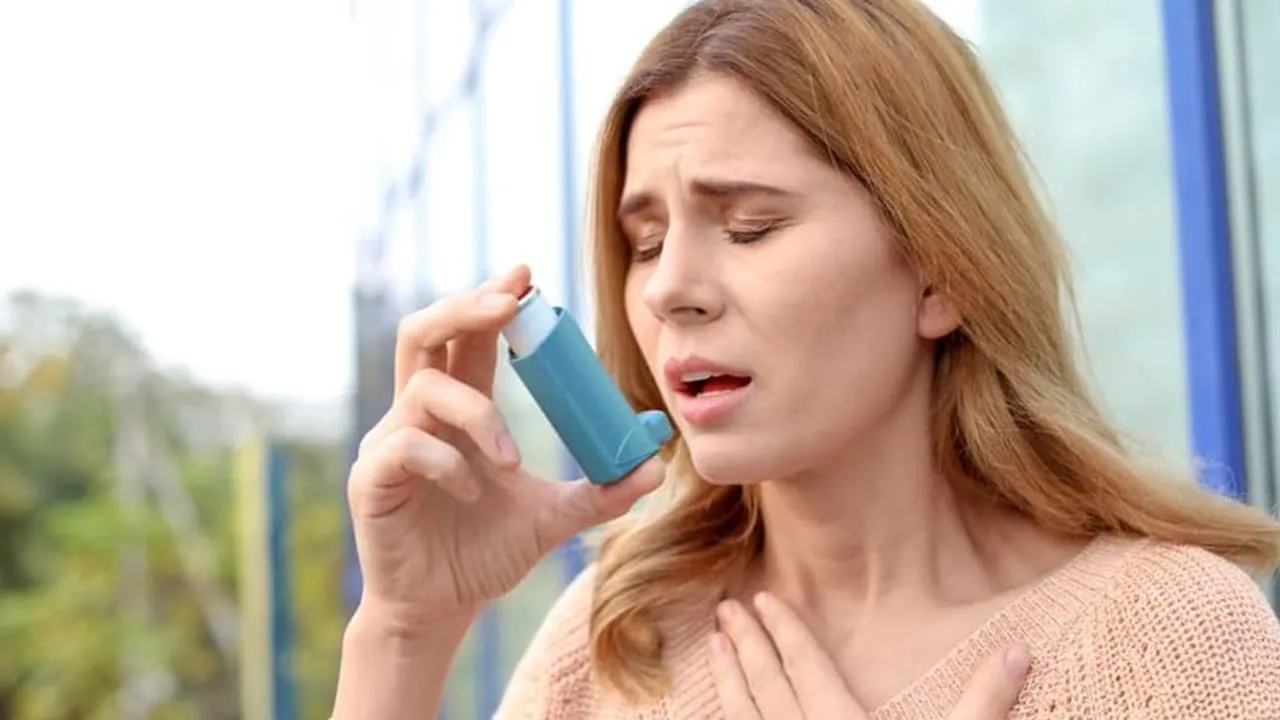
Influenza viruses, including the H1N1 strain, cause respiratory infections that can spread through particles released when an infected person coughs, sneezes, or talks.
Symptoms commonly include fever, chills, cough, sore throat, runny nose, headache, and muscle aches. Some patients may also experience breathing difficulties.
Older adults, pregnant women, young children, and people with chronic health conditions may be at greater risk of severe complications, including pneumonia. Seasonal influenza vaccination, when recommended, can help reduce the risk of serious illness. Good respiratory hygiene, handwashing, and avoiding close contact with others while unwell can also help limit transmission.
Treatment: Early Medical Attention Makes a Difference
Treatment depends on the infection, its severity, and the patient's overall health. West Nile fever and dengue are generally managed with supportive care, as specific antiviral treatment is not routinely available for these infections. Patients may require fluids, symptom management, observation, or hospital care depending on their condition.
Leptospirosis, on the other hand, can be treated with antibiotics. Starting treatment early is particularly important when the infection is suspected.
There is no single treatment approach suitable for every fever. Medical assessment helps identify the likely cause, determine whether tests are necessary, and guide appropriate care. Avoid taking medicines without professional advice, especially when dengue is a possibility.
1. Remove Mosquito Breeding Sites
Inspect your home and surroundings regularly for stagnant water. Empty and clean flowerpot trays, buckets, coconut shells, discarded tyres, refrigerator drip trays, and other water-collecting containers. Cover water storage vessels securely and keep rooftops and drainage areas clear.
A weekly Dry Day, dedicated to eliminating stagnant water, can help interrupt mosquito breeding cycles.
2. Reduce Exposure to Mosquito Bites
Wear protective clothing, use suitable mosquito repellents according to their instructions, and install screens on windows and doors. Mosquito nets can provide additional protection, particularly for people sleeping during the day or in areas with high mosquito activity.
Remember that different mosquitoes have different activity patterns, so precautions should be followed throughout the day.
3. Use Protective Equipment When Handling Floodwater
Avoid unnecessary contact with floodwater and potentially contaminated soil. People working in agriculture, sanitation, and waterlogged areas should use suitable gloves, waterproof footwear, and other protective equipment.
If regular exposure puts you at risk of leptospirosis, consult a healthcare professional about whether preventive medication is appropriate. Such medication should be taken only according to medical advice.
4. Maintain Food and Water Safety
Drink safe water, including boiled and cooled water where appropriate. Store food in clean, covered containers and maintain proper kitchen hygiene. Avoid consuming food that may have come into contact with contaminated floodwater.
Wash your hands with soap and safe water before eating, after using the toilet, and after handling potentially contaminated materials.
5. Seek Medical Advice Instead of Self-Medicating
A fever that persists, worsens, or occurs with severe headache, unusual muscle pain, vomiting, bleeding, confusion, or breathing difficulties should not be ignored.
Seek prompt medical assessment when concerning symptoms appear. Do not start antibiotics or other prescription medicines on your own. If severe symptoms develop, obtain emergency medical care.
Prevention Begins at Home and Extends to the Community
Controlling monsoon-related infections requires more than individual precautions. Clean surroundings, safe drinking water, responsible waste disposal, effective mosquito control, and timely reporting of suspected illness all contribute to community health.
Every household can help reduce the risk by eliminating mosquito breeding sites and following public health guidance. Equally important is recognising symptoms early and seeking medical care rather than assuming every fever is a routine seasonal illness.
The principle of “My Health, My Responsibility” reminds us that small, consistent actions can make a meaningful difference. With awareness, early intervention, and collective responsibility, we can reduce the impact of monsoon diseases and protect the health of our families and communities.