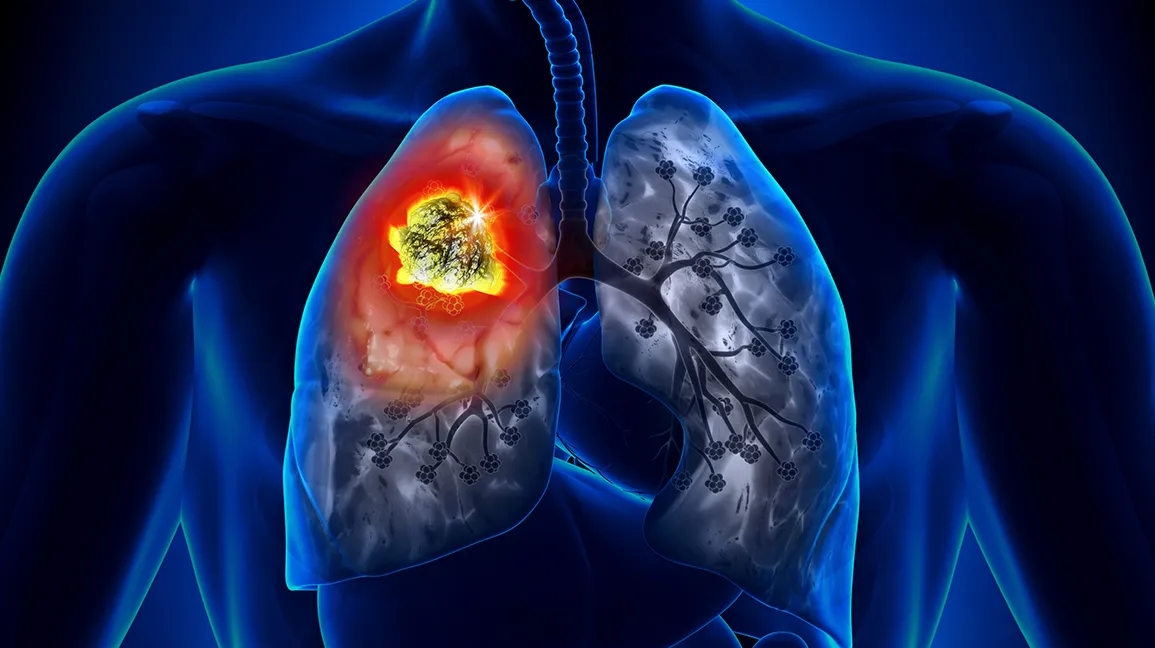

Our lungs are a miniature reflection of the planet we live on. When the air outside becomes polluted and the natural balance of our environment is disrupted, the tiny airways within our lungs are among the first to suffer. Witnessing the helplessness of children and adults struggling to catch their breath reminds us that World Asthma Day is more than just a date on the calendar; it is a warning that demands our attention.
Asthma and Climate Change: What Is the Connection?
Global warming and unpredictable changes in weather patterns play a significant role in increasing the burden of asthma. Some of the major contributing factors include:
Rising Temperatures and Air Pollution: Increasing atmospheric temperatures contribute to higher levels of ground-level ozone. This pollutant can cause inflammation in the lungs and trigger asthma attacks.
Increased Pollen Production: Rising levels of carbon dioxide in the atmosphere can cause plants to produce more pollen. These allergy-triggering particles can worsen asthma symptoms.
Unpredictable Weather Changes: Heavy rainfall and high humidity can encourage mould growth both indoors and outdoors. Exposure to mould can pose a significant risk to people living with asthma.
Wildfires and Dust Particles: During dry weather, fine particles released into the air by wildfires and dust can travel deep into the lungs, worsening breathing difficulties and triggering asthma symptoms.
Asthma Treatment: Scientific Approaches to Management
Asthma is not a condition to be feared; rather, it is one that can be effectively managed with appropriate treatment. In conventional medicine, treatment primarily involves two types of medications
1. Controllers (Preventers)
These medications are used for long-term asthma management. They help reduce inflammation in the airways and prevent asthma attacks.
Inhaled Corticosteroids: These medicines act directly in the lungs to reduce airway inflammation. Since they are delivered directly to the respiratory tract, the risk of systemic side effects is generally lower than with corticosteroids taken orally.
2. Relievers (Quick-Relief or Rescue Inhalers)
These medications provide rapid relief when a person experiences breathing difficulties.
Bronchodilators: These medicines help relax and widen narrowed airways within minutes, making breathing easier.
What Can We Do?
Taking preventive measures is just as important as treating the condition after it develops. A few simple steps can help reduce exposure to asthma triggers.
Pay Attention to Weather and Air Quality Reports: Avoid going outdoors as much as possible when air quality is poor or airborne dust levels are high. Follow local air quality updates and take necessary precautions.
Use Medications as Prescribed: Use inhalers at the prescribed times and follow your doctor's instructions carefully. Always keep a prescribed reliever inhaler accessible for emergencies.
Improve Indoor Air Quality: Keep your home dry, well-ventilated and free from mould. Avoid exposure to tobacco smoke and eliminate smoking from indoor environments.
Protect Nature: Clean air is essential for healthy lungs, and protecting our environment is an important part of achieving it. Planting trees, reducing pollution and adopting environmentally responsible habits can contribute to cleaner air and healthier lungs.
Climate change is not merely a headline in the newspapers; it is a reality that affects the air we breathe and can have a direct impact on our respiratory health.