by Dr. Mohammed Abdul Malik Manzar
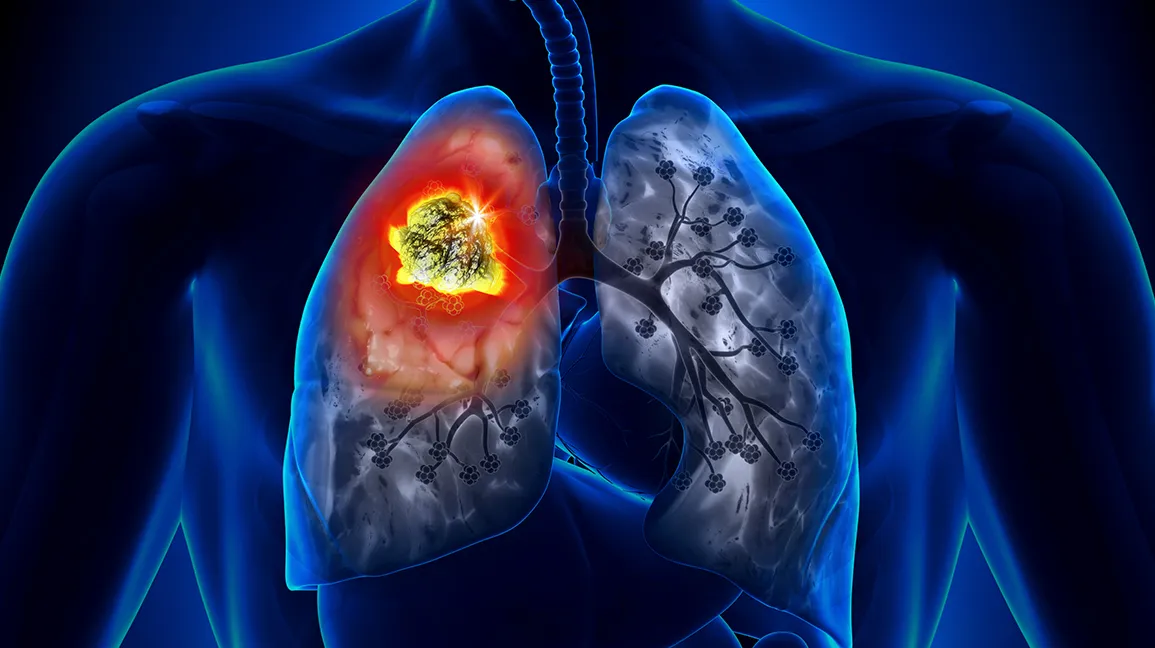

Most of us tend to dismiss breathlessness while walking, climbing stairs, or getting up in the morning as a natural part of ageing. But a cough or breathlessness that lingers for months is worth a closer look — it may be an early signal from your lungs rather than simply a sign of growing older.
Chronic Obstructive Pulmonary Disease, or COPD, is a condition that gradually reduces lung function. What's less well known is that COPD itself — not only the smoking that often causes it — appears to raise the risk of developing lung cancer. Studies show that people with COPD have a two- to four-fold higher risk of lung cancer compared to smokers with similar exposure but normal lung function, suggesting the airway damage of COPD is an independent risk factor in its own right, not just a marker of heavy smoking. The risk also rises with the severity of airflow obstruction — the more advanced the COPD, the greater the risk.
What Is COPD?
COPD refers to a group of long-term conditions that obstruct the flow of air into and out of the lungs. It mainly includes two conditions:
● Chronic bronchitis: This occurs when the airways remain inflamed and swollen for a prolonged period. Excess mucus builds up inside the breathing tubes, making it difficult for air to pass through.
● Emphysema: This is a condition in which the tiny air sacs in the lungs, known as alveoli, become damaged. As a result, the exchange of oxygen into the bloodstream is affected, and the natural structure of the lungs gradually deteriorates. Notably, the emphysema-predominant pattern of COPD carries a higher lung cancer risk than the chronic bronchitis-predominant pattern, likely reflecting the degree of underlying tissue damage.
COPD is also widely underdiagnosed — many people live with reduced lung function for years without a formal diagnosis, which means the cancer risk linked to it can go unrecognised for just as long.
One Condition After Another: The Link Between the Diseases
COPD and lung cancer share several important risk factors and biological connections.
● Smoking — the common villain: Tobacco use is a major risk factor for both COPD and lung cancer. The cancer-causing chemicals in cigarette smoke cause continuous damage to lung cells.
● Chronic inflammation: Persistent inflammation in the lungs due to COPD can lead to oxidative stress. This may damage the DNA of lung cells and create an environment that supports the uncontrolled growth of cancer cells.
● Disrupted epithelial repair: When repeatedly damaged lung cells try to repair and regenerate themselves, abnormal changes may occur. Over time, these changes can contribute to the development of cancerous tumours.
Together, these mechanisms explain why COPD raises cancer risk on its own — the same inflamed, poorly repairing airway lining that causes breathlessness also creates fertile ground for abnormal cell growth.
Similar Symptoms and Misconceptions
The early symptoms of COPD and lung cancer can be quite similar. Because of this overlap, many people mistake the initial signs of lung cancer for ordinary COPD symptoms and delay seeking medical attention.
People with COPD should consult a specialist without delay — regardless of screening status — if they notice any of the following changes:
● A sudden change in the nature or severity of their usual cough.
● A change in the colour of phlegm, or blood in it.
● Increasing breathlessness or persistent chest pain.
● A persistent sore throat, hoarseness, or change in voice.
● Sudden, unexplained loss of body weight or appetite.
● Symptoms that are worsening despite regular treatment.
These red-flag symptoms call for prompt diagnostic evaluation on their own merit — they should never wait for a routine screening appointment.
Prevention and Screening
Detecting lung cancer at an early stage in people with COPD can make treatment far more effective. Low-dose CT is the recommended screening test for eligible high-risk individuals — typically adults aged 50 to 80 with a significant smoking history (around 20 pack-years or more) who currently smoke or quit within the last 15 years. Your doctor will confirm whether you meet the criteria based on your age, smoking history, symptoms, general health, and ability to undergo further treatment if something is found.
● Quit smoking completely: Stopping smoking is essential to reduce the risk of lung cancer and slow the progression of lung damage.
● Avoid air pollution: Wear a mask when exposed to dust, smoke, or polluted surroundings. People working in industrial environments should follow all recommended occupational safety measures.
● Follow appropriate screening: Long-term smokers and people with COPD may be advised to undergo a low-dose CT scan based on their doctor's assessment.
● Seek prompt evaluation for red-flag symptoms: Coughing up blood, unexplained weight loss, or persistent chest pain warrants diagnostic evaluation right away, rather than waiting for a routine screening slot.
Do not ignore persistent breathing difficulties or other lung-related symptoms. Seeking expert medical advice and undergoing the necessary investigations at an early stage can help protect your quality of life and reduce the risk of serious health complications.