by Dr. Mohammed Abdul Malik Manzar
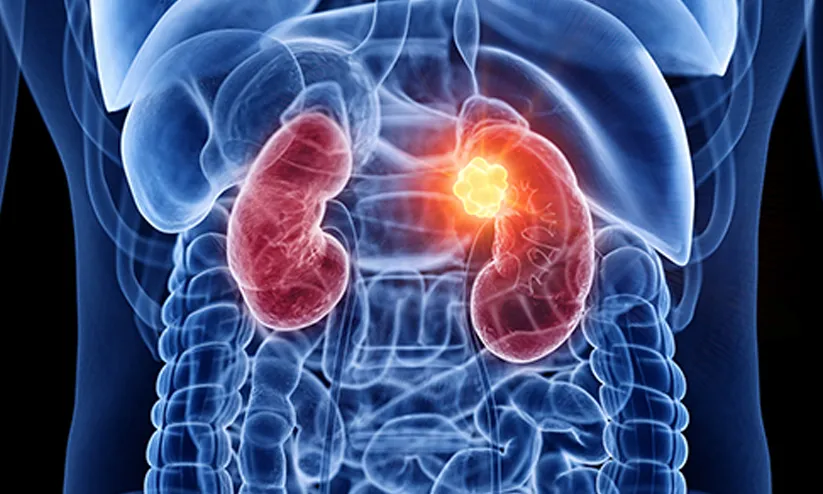

Kidney cancer is becoming an increasingly common health concern today. However, when the disease is diagnosed at the right time and the tumour is surgically removed, patients can return to a healthy and active life. Even if the kidney is removed completely or partially through a nephrectomy, proper post-operative care and appropriate lifestyle modifications can help patients lead a normal life.
Understanding the recovery process after kidney surgery, the importance of regular follow-up check-ups, and the lifestyle changes that support long-term health is essential for achieving the best possible outcomes.
Kidney Cancer: Recognizing the Warning Signs
Kidney cancer often develops silently, with many people experiencing no noticeable symptoms during its early stages. In many cases, it is discovered incidentally during an ultrasound or other imaging tests performed for unrelated medical conditions. As the disease progresses, however, certain warning signs may begin to appear.
Blood in the urine (Hematuria): One of the most common early signs is painless blood in the urine. Even if it occurs only once, it should never be ignored and requires prompt medical evaluation.
Persistent pain in the side or lower back: Ongoing pain in the flank or on either side of the lower back that does not improve over time may be a warning sign.
A lump or swelling in the abdomen: Some individuals may notice or feel a mass on the side of the abdomen or in the lower abdominal region.
Unexplained weight loss: Sudden, unintended weight loss, often accompanied by a reduced appetite, can be associated with kidney cancer.
Persistent Fatigue, Paleness, and Prolonged Fever
Factors That Increase the Risk of Kidney Cancer
Genetic changes (mutations) in the DNA of kidney cells are the primary cause of kidney cancer. Several factors can increase the risk of developing the disease
Smoking: People who smoke are about twice as likely to develop kidney cancer compared to non-smokers.
Obesity and Diabetes: Excess body weight can cause hormonal changes in the body, which may increase the risk of cancer.
High Blood Pressure (Hypertension): Poorly controlled high blood pressure over a long period can damage the kidneys and increase the risk of kidney cancer.
Exposure to Harmful Chemicals: Frequent exposure to chemicals such as asbestos and cadmium, especially in certain workplaces, may increase the risk.
Chronic Kidney Disease: People with long-term kidney disease, particularly those undergoing prolonged dialysis, have a higher risk of developing kidney cancer.
Importance of Early Diagnosis
The success of kidney cancer treatment largely depends on the stage at which the disease is detected. When kidney cancer is diagnosed in its early stages and remains confined to the kidney, it can often be completely removed through surgery. If the cancer is detected before it spreads to other organs, surgery alone may be sufficient to achieve a cure, without the need for chemotherapy or radiation therapy.
Note: Individuals over the age of 40, especially smokers and those with high blood pressure, should undergo an annual health check-up that includes an ultrasound scan. This can help detect kidney cancer at an early stage when treatment is most effective.
Post-Surgical Care and Follow-up
Do not discontinue follow-up appointments after surgery assuming the disease has been completely cured. Maintaining kidney health is essential for overall well-being and long-term survival.
1. Regular Follow-up Examinations
During the first few years after surgery, it is important to visit your doctor every 3 to 6 months for regular evaluations. Tests such as Renal Function Test (RFT/Kidney Function Test) should be performed to assess kidney function. Imaging studies, including CT scans, ultrasound scans, and X-rays, may also be recommended at regular intervals to monitor for any recurrence of cancer.
2. Control Blood Pressure and Diabetes
If one kidney has been removed, it is important to protect the remaining kidney by keeping blood pressure and diabetes under good control. High blood pressure can damage the kidney's filtration system and reduce its function over time.
3. Use Medications with Caution
Do not take any medications without consulting your doctor. In particular, self-medicating with painkillers or certain antibiotics can seriously affect kidney function and may increase the risk of complications.
Engage in 30 minutes of light physical activity such as walking or yoga every day to help maintain a healthy weight and control blood pressure. However, avoid heavy weightlifting and contact sports, as they may increase the risk of injury to the remaining kidney.
Maintaining the Health of the Remaining Kidney for the Long Term
Although people with a single kidney can lead a healthy and normal life, it is important to adopt certain lifestyle changes to protect the function and long-term health of the remaining kidney. The following habits can help:
Limit Sodium Intake: Reducing the amount of salt in your diet helps maintain healthy blood pressure. This lowers the strain on the blood vessels supplying the kidney and supports efficient kidney filtration
Maintain Adequate Hydration: Staying well-hydrated is vital for maintaining kidney health. Unless you have a heart condition or your doctor has advised fluid restrictions, make it a habit to drink 2–3 liters of water daily. Adequate hydration helps the kidneys flush out toxins and waste products more effectively.
Avoid Toxins : Completely avoid smoking and alcohol consumption. Smoking reduces blood flow to the kidneys, while alcohol disrupts the body's fluid balance and can further impair kidney function.
Safe Physical Activity: Engage in at least 30 minutes of light physical activity, such as walking or yoga, every day to help maintain a healthy body weight and control blood pressure. However, avoid heavy weightlifting and contact sports, as they may increase the risk of injury to the remaining kidney.