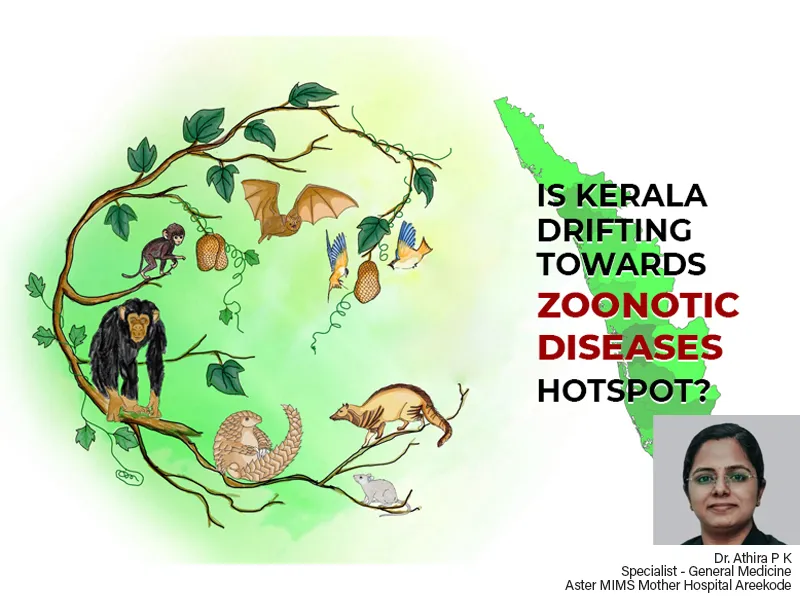

In recent years, one of the biggest public health challenges facing Kerala has been the recurring outbreaks of zoonotic diseases. From repeated Nipah virus outbreaks to leptospirosis (rat fever), avian influenza (bird flu), scrub typhus, West Nile fever and the increasing concern over monkey fever in hilly regions, these infections continue to reshape Kerala's public health landscape. More than ever, this calls for heightened awareness and preparedness.
World Zoonoses Day is observed every year on July 6 to commemorate the successful administration of the first rabies vaccine by French scientist Louis Pasteur in 1885. The day serves as a reminder of the growing threat posed by diseases that spread from animals to humans.
Zoonotic diseases are infections transmitted from animals or birds to humans. They may be caused by viruses, bacteria, parasites or fungi. According to the World Health Organization (WHO), nearly 60% of all infectious diseases affecting humans are zoonotic, while 75% of newly emerging infectious diseases originate from animals.
Despite having one of India's strongest healthcare systems and the highest literacy rates, Kerala has increasingly become a hotspot for emerging zoonotic diseases. The reasons lie in the state's unique geography, changing climate, rich biodiversity and the evolving relationship between humans, animals and the environment. Understanding these changing disease patterns is essential to safeguarding public health.
Early Symptoms You Should Never Ignore
Many zoonotic diseases begin with symptoms similar to common viral fever, making early diagnosis challenging. Avoid self-medication and seek medical attention immediately if you experience any of the following symptoms, particularly after exposure to animals or contaminated environments:
- Sudden high fever accompanied by severe chills.
- Persistent headache, neck stiffness, confusion, altered consciousness or disorientation, which may indicate infections such as Nipah encephalitis.
- Severe muscle pain, especially in the calves, along with joint pain—a characteristic symptom of leptospirosis.
- Persistent cough, sore throat, breathing difficulty or other respiratory symptoms.
- Skin rashes, dark scabs, black spots or small ulcers that may suggest scrub typhus.
Early medical evaluation can significantly improve treatment outcomes and help prevent complications.
Why is Kerala More Vulnerable?
Several geographical, environmental, and social factors contribute to Kerala's increased risk of zoonotic disease outbreaks.
Climate Change and Extreme Weather
The increasing frequency of heavy rainfall, flooding and waterlogging has created ideal conditions for the spread of infectious diseases. Floodwaters contaminated with animal urine significantly increase the risk of leptospirosis, while stagnant water promotes the breeding of mosquitoes and other disease vectors that transmit various infections.
Close Contact with Domestic Animals
Many households in Kerala keep pets and livestock close to their homes. Delayed vaccination, inadequate veterinary care, and poor animal health management can increase the risk of diseases spreading from animals to humans.
Global Connectivity and Tourism
Kerala is home to a large expatriate population and is one of India's leading international tourist destinations. Frequent international travel and increased movement of people can facilitate the introduction and spread of emerging infectious diseases, making continuous surveillance essential.
Early Diagnosis Saves Lives
Timely diagnosis is one of the most effective ways to reduce the severity and mortality associated with zoonotic diseases. Diseases such as Nipah virus infection can progress rapidly and have high fatality rates.
If you develop a fever after contact with animals, birds, wildlife, or contaminated water, inform your doctor about the exposure. This information plays a crucial role in reaching an accurate diagnosis.
Kerala is equipped with advanced diagnostic facilities, including specialized virology laboratories, enabling faster detection and improved disease surveillance.
Towards a Safer and Healthier Lifestyle
The health of humans, animals, and the environment are closely interconnected. Adopting a One Health approach and following these simple preventive measures can help reduce the risk of infectious diseases:
- Never eat fruits that have been bitten by birds or bats, or fruits found fallen on the ground.
- Always cook meat and eggs thoroughly at high temperatures before consumption.
- Ensure that pets and domestic animals receive their recommended vaccinations on time. Avoid direct contact with wild animals such as monkeys, pigs, and bats whenever possible.
- People working in soil, muddy water, or contaminated environments should always wear protective gloves and boots. If advised by health authorities, take preventive medications such as doxycycline exactly as prescribed.
Awareness, not fear, is our strongest defense against infectious diseases. Staying informed and following preventive measures can protect you, your family, and your community.