If you’re thinking about getting your teeth straightened, you’ve probably wondered whether you should choose Invisalign or traditional braces. It’s one of the most common questions we hear in our clinic.
The truth is, there isn’t a single treatment that’s best for everyone. The right option depends on your teeth, your bite, your lifestyle, and what you expect from treatment.
As a dentist, my goal isn’t to convince every patient to choose Invisalign or braces. It’s recommended to get the treatment that will give you the best long-term result.
Let’s understand the difference.
What is Invisalign?
Invisalign is a clear aligner system that gradually moves your teeth using a series of custom made transparent trays. Each aligner is designed to make small, controlled movements until your teeth reach their ideal position.
Since the aligners are removable, you can take them out while eating, brushing, and flossing, making them a popular choice among adults and working professionals.
What are Braces?
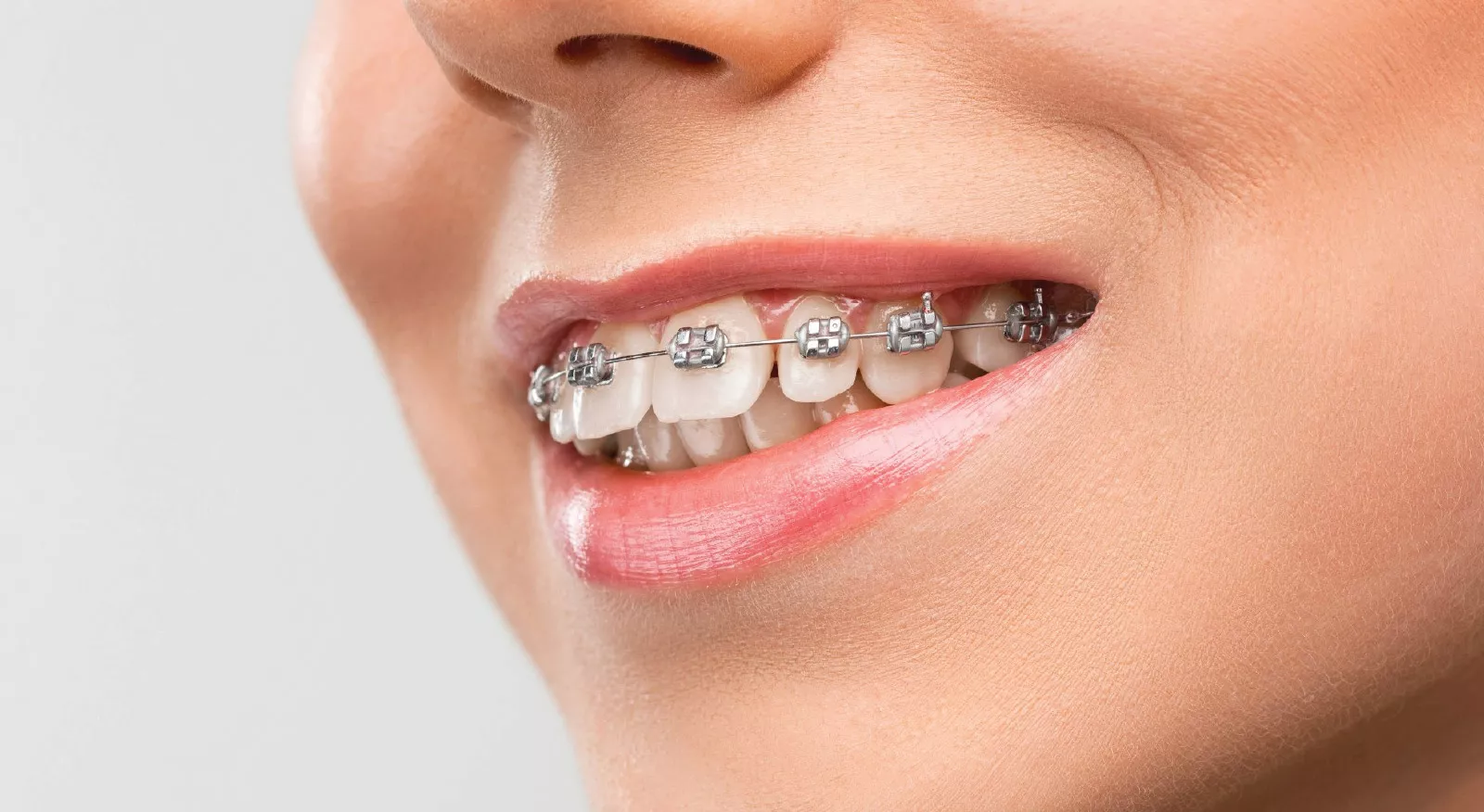
Braces use brackets bonded to the teeth along with wires that are adjusted periodically to move your teeth into alignment. They have been used successfully for decades and continue to be one of the most reliable orthodontic treatment options, especially for complex cases.
Invisalign vs Braces: The Real Comparison
Appearance
This is where Invisalign has a clear advantage.
The aligners are almost invisible, so most people won’t even notice you’re wearing them. If your work involves meeting people regularly or you’re conscious about your appearance, Invisalign is often the preferred choice.
Braces, especially metal braces, are more noticeable, although ceramic braces offer a less visible alternative.
Comfort
Most patients find Invisalign more comfortable because there are no brackets or wires that rub against the cheeks or lips.
With braces, it’s common to experience some soreness after adjustments, and occasionally a wire may irritate the inside of the mouth. These issues are usually temporary and can be managed easily.
Eating Your Favourite Foods
One of the biggest advantages of Invisalign is that there are no food restrictions.
Simply remove the aligners before meals, enjoy your food, brush your teeth, and wear them again.
With braces, you’ll need to avoid sticky foods, hard candies, popcorn, and certain crunchy snacks because they can damage the brackets or wires.
Oral Hygiene
Keeping your teeth clean is much easier with Invisalign.
Since the aligners are removable, you can brush and floss normally, reducing the chances of plaque build-up and gum problems.
With braces, cleaning takes more effort because food tends to get trapped around the brackets. Special brushes and flossing aids can make the process easier, but it does require extra care.
Which One Works Better?
Both Invisalign and braces are highly effective when used for the right patient.
Invisalign can successfully treat many mild to moderately complex cases and, with proper planning, even several complex orthodontic problems.
Braces remain the treatment of choice for certain complicated cases, including severe crowding, significant bite correction, impacted teeth, and difficult tooth movements.
That’s why a proper clinical examination is essential before deciding on treatment.
Treatment Duration
Most orthodontic treatments take anywhere between 12 and 24 months, depending on the complexity of the case.
Invisalign may be slightly faster in selected cases—but only if the aligners are worn for at least 20 to 22 hours every day.
The Biggest Difference: Patient Commitment
This is something many people overlook.
Braces work continuously because they are fixed to your teeth.
Invisalign only works when you’re wearing the aligners. If they’re left out for long periods, treatment slows down and may not progress as planned.
Patients who are disciplined and can wear their aligners consistently usually achieve excellent results.
Is Invisalign More Expensive Than Braces?
The cost depends on the complexity of your case, the duration of treatment, and the type of orthodontic correction required.
While Invisalign may cost more in some situations, many patients feel the added comfort, aesthetics, and convenience make it a worthwhile investment.
The only way to know which treatment suits you—and what it will cost—is through a detailed consultation.
Who Should Choose Invisalign?
Invisalign may be a good option if you:
• Want a discreet way to straighten your teeth.
• Can wear the aligners for 20–22 hours every day.
• Have good oral hygiene habits.
• Prefer fewer dietary restrictions.
• Want the flexibility of removing your aligners when needed.
Who May Benefit More from Braces?
Braces may be the better choice if you:
• Have severe crowding or spacing.
• Need major bite correction.
• Have impacted or rotated teeth.
• Want a treatment that doesn’t depend on remembering to wear aligners.
So, Which One Should You Choose?
The answer is simple: choose the treatment that’s right for your smile, not someone else’s.
A treatment that works beautifully for one patient may not be the ideal choice for another.
After examining your teeth, bite, facial profile, and smile, your dentist or orthodontist can recommend the option that will give you the best functional and aesthetic outcome.
Whether you choose Invisalign or braces, the goal is the same: a healthy bite, properly aligned teeth, and a confident smile that lasts for years.
If you’ve been considering orthodontic treatment, don’t let confusion delay your decision. Schedule a consultation to understand your options and choose the treatment that best suits your needs.
A confident smile is an investment you’ll appreciate every single day.