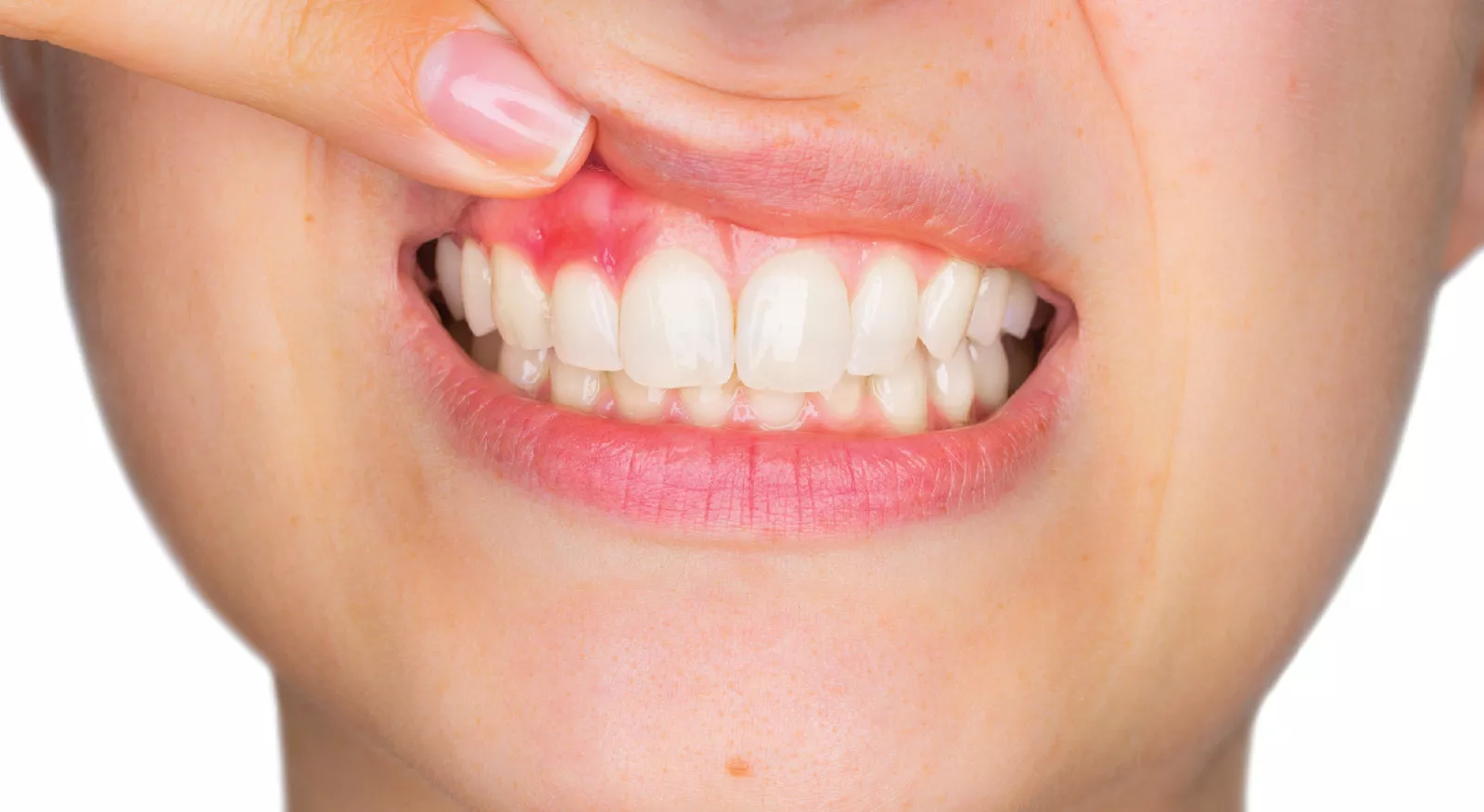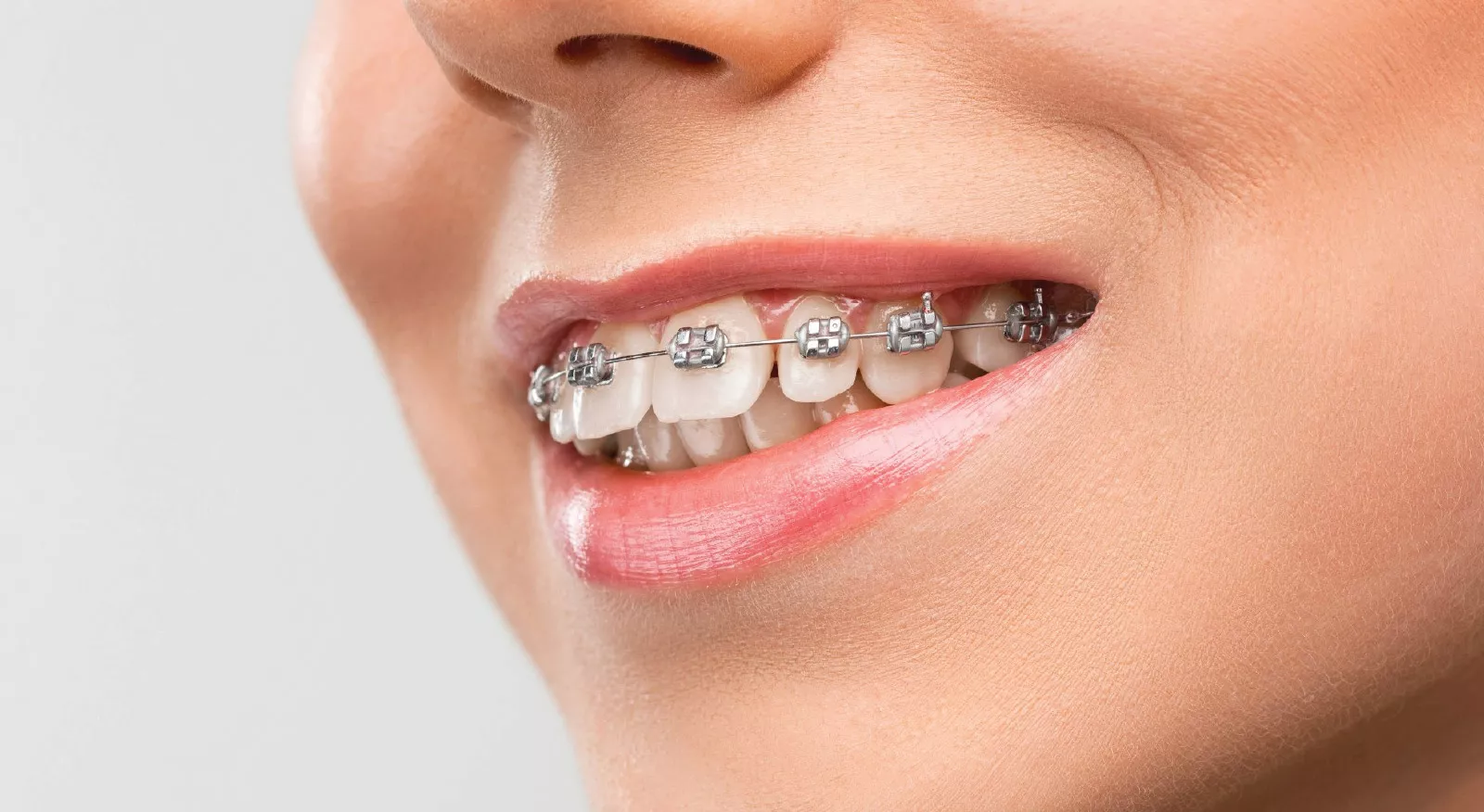
Losing a tooth can affect much more than your smile. It can make chewing difficult, change the way you speak, and, if left untreated, even lead to bone loss and shifting of the surrounding teeth.
One of the first questions patients ask in our clinic is, “Should I get a dental implant or a bridge?”
The answer isn’t the same for everyone. Both treatments are excellent options for replacing missing teeth, but the right choice depends on your oral health, the condition of the neighbouring teeth, your budget, and your long-term goals.
Let’s understand the difference so you can make an informed decision.
What Is a Dental Implant?
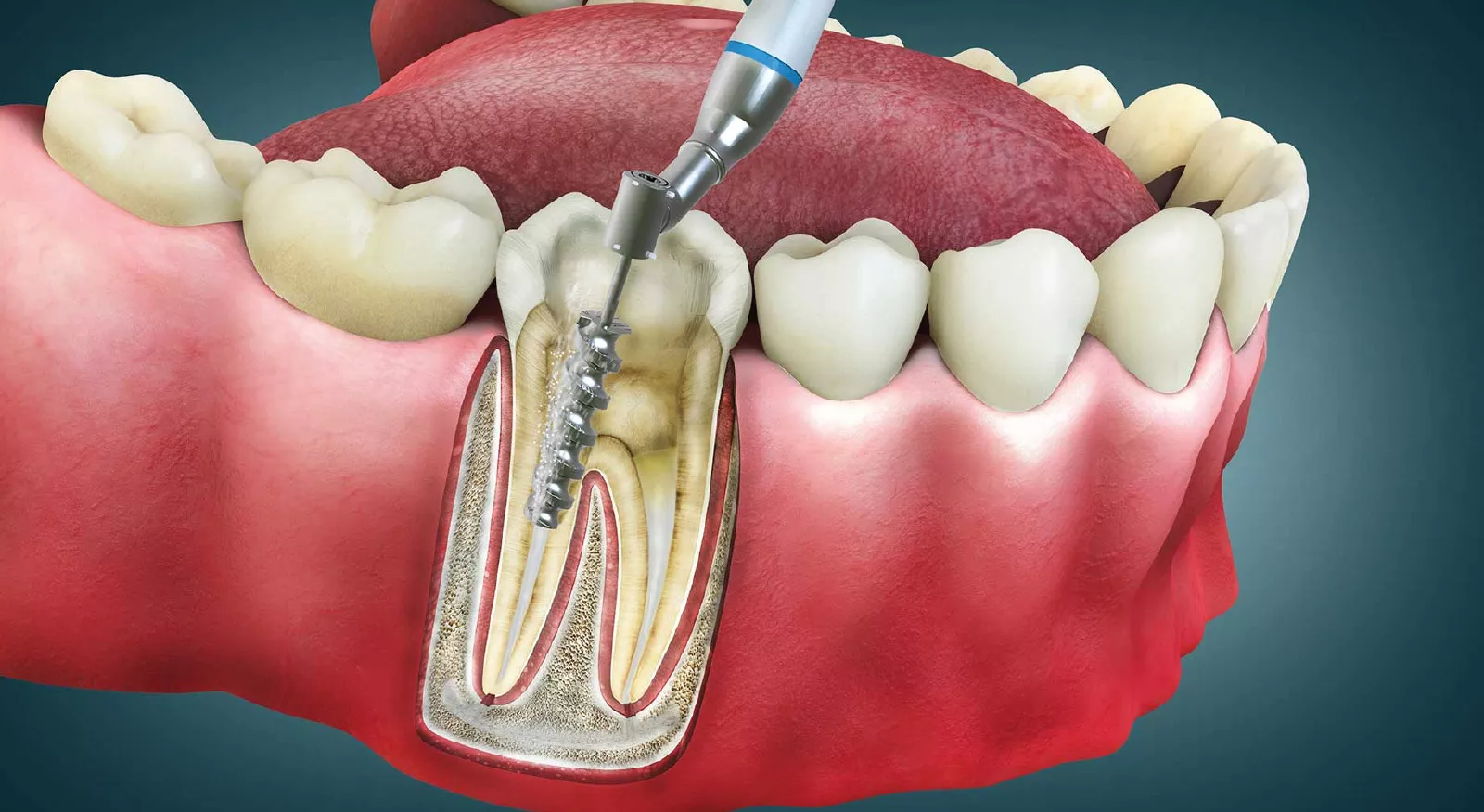
A dental implant is an artificial tooth root made of medical-grade titanium that is placed into the jawbone. Once it fuses with the bone, a custom-made crown is attached to it, giving you a replacement tooth that looks, feels, and functions very much like a natural tooth.
The biggest advantage of an implant is that it replaces the missing tooth without using the neighbouring teeth for support.
What Is a Dental Bridge?
A dental bridge replaces a missing tooth by using the teeth on either side of the gap as support. These neighbouring teeth are prepared, and crowns are placed over them with an artificial tooth attached in between, effectively “bridging” the gap.
Bridges have been used successfully for many years and remain a reliable treatment option in the right cases.
Dental Implant vs Bridge: What’s the Difference?
1. Impact on Adjacent Teeth
One of the biggest differences between the two treatments is what happens to the neighbouring teeth.
A dental implant stands independently and does not require the adjacent teeth to be trimmed.
With a bridge, the teeth next to the missing tooth usually need to be reshaped to support the bridge, even if they are healthy.
Whenever possible, preserving healthy natural tooth structure is always preferable.
2. Bone Preservation
When a tooth is lost, the jawbone in that area gradually starts shrinking because it no longer receives stimulation from the tooth root.
A dental implant acts like a natural root and helps maintain the bone.
A bridge replaces only the visible tooth and does not prevent bone loss beneath the missing tooth.
This is one of the biggest long-term advantages of dental implants.
3. Appearance
Both implants and bridges can be designed to look extremely natural.
When properly planned and fabricated, it is often difficult for anyone to tell the difference between the replacement tooth and your natural teeth.
4. Chewing Ability
Both options restore chewing function well.
5. Oral Hygiene
Dental implants can be brushed and flossed much like natural teeth.
Bridges require a little more attention because cleaning underneath the artificial tooth usually involves special floss or interdental cleaning aids.
Maintaining good oral hygiene is essential regardless of which treatment you choose.
6. Treatment Duration
A bridge can often be completed within a couple of weeks.
Dental implants generally require a longer treatment period because the implant needs time to integrate with the jawbone before the final crown is placed. In some cases, immediate implants may be possible, but this depends on the individual situation.
7. Longevity
With proper care and regular dental check-ups, dental implants can last for many years and often even decades.
Bridges are also durable, but they may need replacement over time due to wear or problems affecting the supporting teeth.
Good oral hygiene plays a major role in the lifespan of both treatments.
Cost: Implant vs Bridge
A dental bridge usually has a lower initial cost than a dental implant.
However, it’s worth looking beyond the immediate expense.
Since implants preserve bone and do not rely on neighbouring teeth, they can often be a better long-term investment for many patients.
The most suitable option depends on your oral condition, treatment needs, and budget.
Who Is a Good Candidate for a Dental Implant?
A dental implant may be the ideal choice if you:
• Have healthy gums.
• Have adequate jawbone or are suitable for bone grafting if needed.
• Want a long-term solution.
• Prefer not to trim healthy neighbouring teeth.
• Are committed to maintaining good oral hygiene.
When Is a Bridge a Better Option?
A dental bridge may be recommended if you:
• Need a quicker tooth replacement.
• Are not suitable for implant surgery due to certain medical or anatomical reasons.
• Already have heavily filled or crowned adjacent teeth that require treatment.
• Prefer a lower initial treatment cost.
Which Option Do I Recommend to My Patients?
Whenever conditions allow, preserving natural teeth and supporting the jawbone are important priorities.
For many patients, this makes a dental implant the preferred long-term solution.
That said, a bridge is still an excellent treatment in carefully selected cases. Every patient is different, and the best treatment is the one that suits your oral health, expectations, and lifestyle.
A thorough clinical examination, X-rays, and discussion of your treatment goals are essential before making a decision.
Replacing a missing tooth isn’t just about improving your smile—it’s about restoring function, protecting your remaining teeth, and maintaining your oral health for years to come.
Whether you choose a dental implant or a bridge, the most important step is seeking treatment before the gap starts affecting your bite or surrounding teeth.
If you’re unsure which option is right for you, schedule a consultation. We’ll assess your oral health, explain the pros and cons of each treatment, and help you choose the solution that’s best for your smile and your long-term dental health.