World No Tobacco Day is observed every year on May 31st to raise awareness about the harmful effects of tobacco consumption and to encourage people to quit tobacco in all its forms. Tobacco remains one of the leading preventable causes of death worldwide and contributes significantly to cancer, heart disease, stroke, chronic lung diseases, and other serious illnesses. India carries a major burden of tobacco-related diseases due to the widespread use of smoking and smokeless tobacco products.
This FAQ-based guide aims to educate the general public about the dangers of tobacco, warning signs of tobacco-related cancers, preventive measures, and the importance of quitting tobacco early.
1. What are the different types of tobacco products?
Tobacco products are broadly classified into: Smoking forms: Cigarettes, bidis, cigars, hookah, pipes, and e-cigarettes/vaping products. Smokeless forms: Gutka, khaini, paan with tobacco, chewing tobacco, zarda, snuff, and mishri. India has one of the highest rates of smokeless tobacco use in the world, especially in rural populations.
2. Why is tobacco harmful?
Tobacco contains more than 7,000 chemicals, many of which are toxic and cancer-causing. Nicotine causes addiction, making it difficult to quit. Tobacco damages nearly every organ in the body and significantly reduces quality and length of life.
3. Which cancers are caused by tobacco consumption?
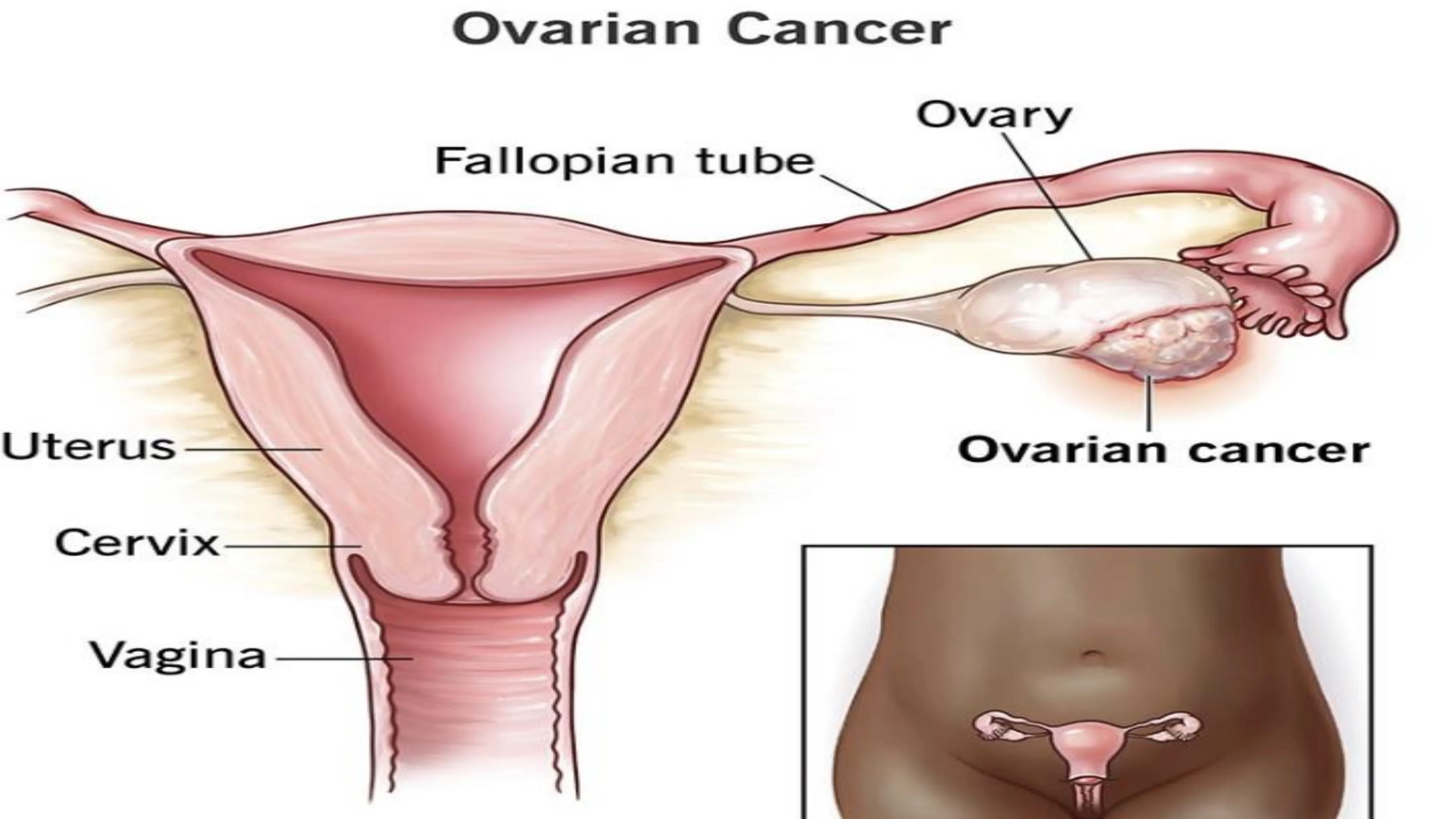
Tobacco is responsible for several cancers including: Oral cavity cancer (mouth, tongue, gums) Throat and voice box cancer Lung cancer Food pipe (esophagus) cancer Stomach cancer Pancreatic cancer Urinary bladder cancer Kidney cancer Cervical cancer In India, oral cancer and lung cancer are among the commonest tobacco-related cancers.
4. What is the burden of tobacco-related cancers in India?
India accounts for nearly one-third of the world’s oral cancer burden. Tobacco is responsible for approximately 30–40% of all cancers in the Indian subcontinent. Oral cancers are especially common because of widespread use of smokeless tobacco products such as gutka and paan with tobacco. Lung cancer rates are also increasing due to smoking and air pollution.
5. What are the non-cancerous health hazards of tobacco?
Tobacco consumption can lead to multiple serious non-cancerous illnesses such as: Heart attacks and stroke High blood pressure Chronic obstructive pulmonary disease (COPD) Asthma worsening Infertility and pregnancy complications Dental diseases and gum infections Poor wound healing Reduced immunity and frequent infections Passive smoking also harms family members, especially children and pregnant women.
6. What are the warning signs of tobacco-related cancers?
The following symptoms should never be ignored: Non-healing ulcer in the mouth White or red patches in the mouth Difficulty swallowing Persistent cough or coughing blood Hoarseness of voice Unexplained weight loss Lump in the neck Bleeding from mouth or throat Difficulty breathing Early diagnosis improves the chances of cure significantly.
7. What is the financial burden of tobacco-related cancers?
Treatment for tobacco-related cancers often requires surgery, chemotherapy, radiation therapy, hospitalization, nutritional support, rehabilitation, and long-term follow-up. The financial burden can be enormous for families, especially when diagnosis occurs late. Many patients lose their ability to work during treatment, leading to loss of income in addition to medical expenses. Prevention and early quitting are far more economical than cancer treatment.
8. Can tobacco-related cancers be prevented?
Yes. Most tobacco-related cancers are preventable. Effective preventive measures include: Avoiding tobacco in all forms Quitting smoking and smokeless tobacco early Avoiding passive smoking Regular oral cavity self-examination Maintaining healthy lifestyle and diet Regular medical check-ups and cancer screening Educating children and adolescents about tobacco hazards
9. Why is quitting tobacco important?
The benefits of quitting tobacco begin almost immediately: Heart rate and blood pressure improve within days Lung function gradually improves Cancer risk decreases over time Risk of heart disease and stroke reduces Quality of life and life expectancy improve Family members are protected from passive smoke exposure It is never too late to quit tobacco.
10. How can someone quit tobacco successfully?
Quitting tobacco may require determination, counseling, family support, and sometimes medical assistance. Helpful measures include: Setting a quit date Avoiding triggers and peer pressure Seeking counseling support Using nicotine replacement therapy if advised Joining tobacco cessation programs Maintaining healthy habits such as exercise and hydration Healthcare professionals can guide patients toward safer and effective quitting strategies.
Tobacco consumption remains a major public health challenge in India and across the world. The physical, emotional, and financial impact of tobacco-related diseases can be devastating not only for patients but also for their families. World No Tobacco Day serves as a reminder that prevention is always better than cure. By spreading awareness, encouraging early screening, and motivating individuals to quit tobacco, we can collectively reduce the burden of cancer and other life-threatening illnesses. Choosing a tobacco-free lifestyle is one of the most powerful decisions for a healthier future