

What is a Stroke?
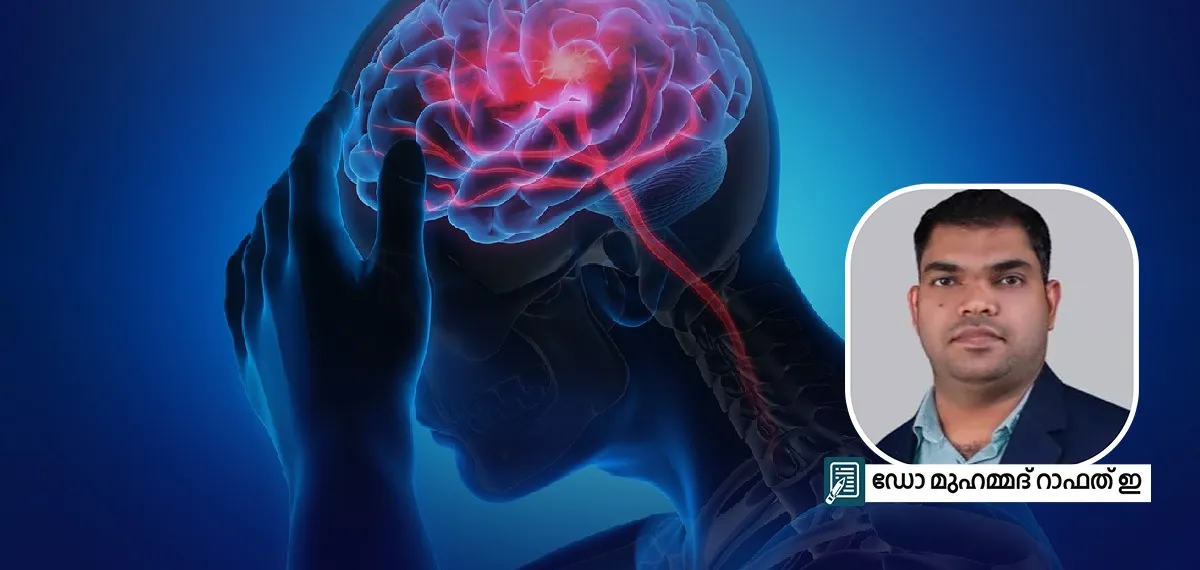
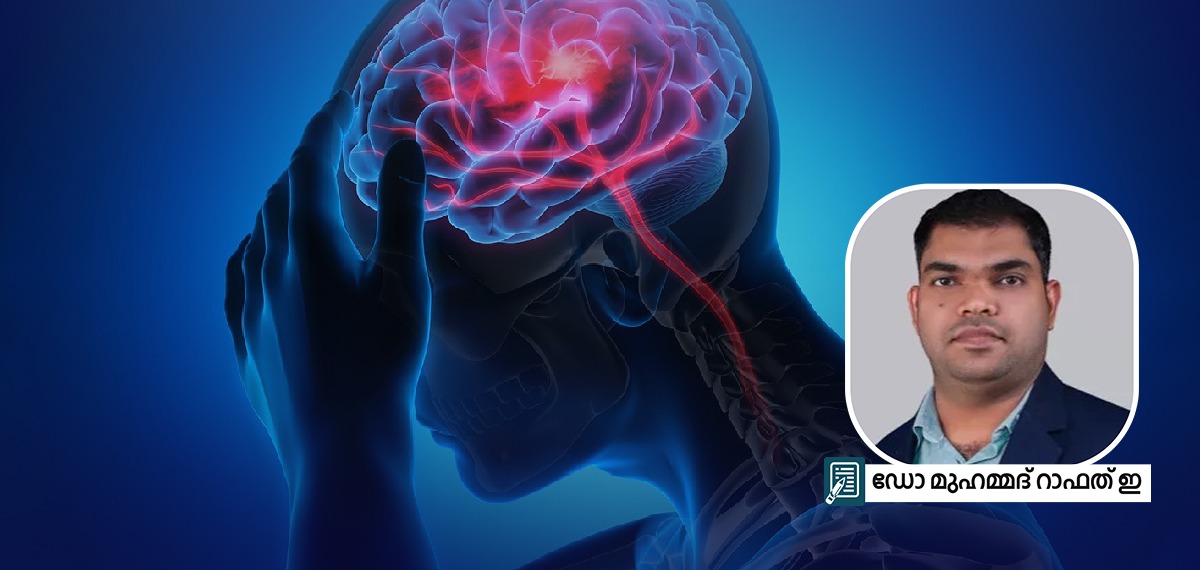
A stroke occurs when the blood supply to the brain is either stopped or interrupted. As a result, the brain cells die due to a lack of oxygen and nutrients supply resulting in permanent disability or even death.
Types of Stroke
There are two types of stroke: ischemic stroke and hemorrhagic stroke.
Ischemic Stroke
It is caused by a blockage in a blood vessel. Ischemic stroke is the most common type of stroke
Hemorrhagic Stroke
When a blood vessel in the brain ruptures, it causes bleeding.
Transient Ischemic Attack (TIA)
Often called a “mini-stroke,” a TIA is a brief episode of reduced blood flow that resolves within 24 hours.
Cryptogenic Stroke
A stroke with no identifiable cause after thorough testing, sometimes linked to heart conditions.
Signs and Symptoms
- Sudden weakness or numbness, especially on one side of the body
- Difficulty speaking or understanding speech
- Sudden vision loss or double vision
- Dizziness, loss of balance, or trouble walking
- Severe headache with no known cause
Why Choose A Neurologist At Aster Hospitals?
Aster Hospitals offers advanced stroke care, providing timely diagnosis and treatment. Our expert neurologist uses cutting-edge imaging techniques like CT and MRI scans to quickly detect the type and location of the stroke. For ischemic strokes, we offer clot-busting therapies, while hemorrhagic strokes may require surgical interventions.
At Aster Hospitals we provide specialized stroke units with 24/7 care for stroke patients. We also have rehabilitation program which include speech therapy, physical therapy, and psychological support, designed to help patients recover and regain function.
FAQ's
Want to find out more about the treatment? The answer to your questions can be found below.
What are the risk factors for stroke?
High blood pressure, diabetes, smoking, high cholesterol, obesity, excessive alcohol consumption are the risk factors. People with heart conditions like atrial fibrillation are also at increased risk.
How is stroke treated?
Ischemic strokes may be treated using procedures like thrombectomy or with clot-busting medications, while hemorrhagic strokes may require surgery to stop bleeding. Rehabilitation, including physical and speech therapy, is also essential for recovery.
What are the symptoms of a stroke?
Common stroke symptoms include difficulty speaking, sudden numbness on one side of the body, loss of vision, severe headache, and loss of coordination. Seek immediate help if you see any of these symptoms.
Blogs Health Conditions
How is stroke treated?
How is stroke treated?
Ischemic strokes may be treated using procedures like thrombectomy or with clot-busting medications, while hemorrhagic strokes may require surgery to stop bleeding. Rehabilitation, including physical and speech therapy, is also essential for recovery.
What are the symptoms of a stroke?
What are the symptoms of a stroke?
Common stroke symptoms include difficulty speaking, sudden numbness on one side of the body, loss of vision, severe headache, and loss of coordination. Seek immediate help if you see any of these symptoms.
What are the risk factors for stroke?
What are the risk factors for stroke?
High blood pressure, diabetes, smoking, high cholesterol, obesity, excessive alcohol consumption are the risk factors. People with heart conditions like atrial fibrillation are also at increased risk.