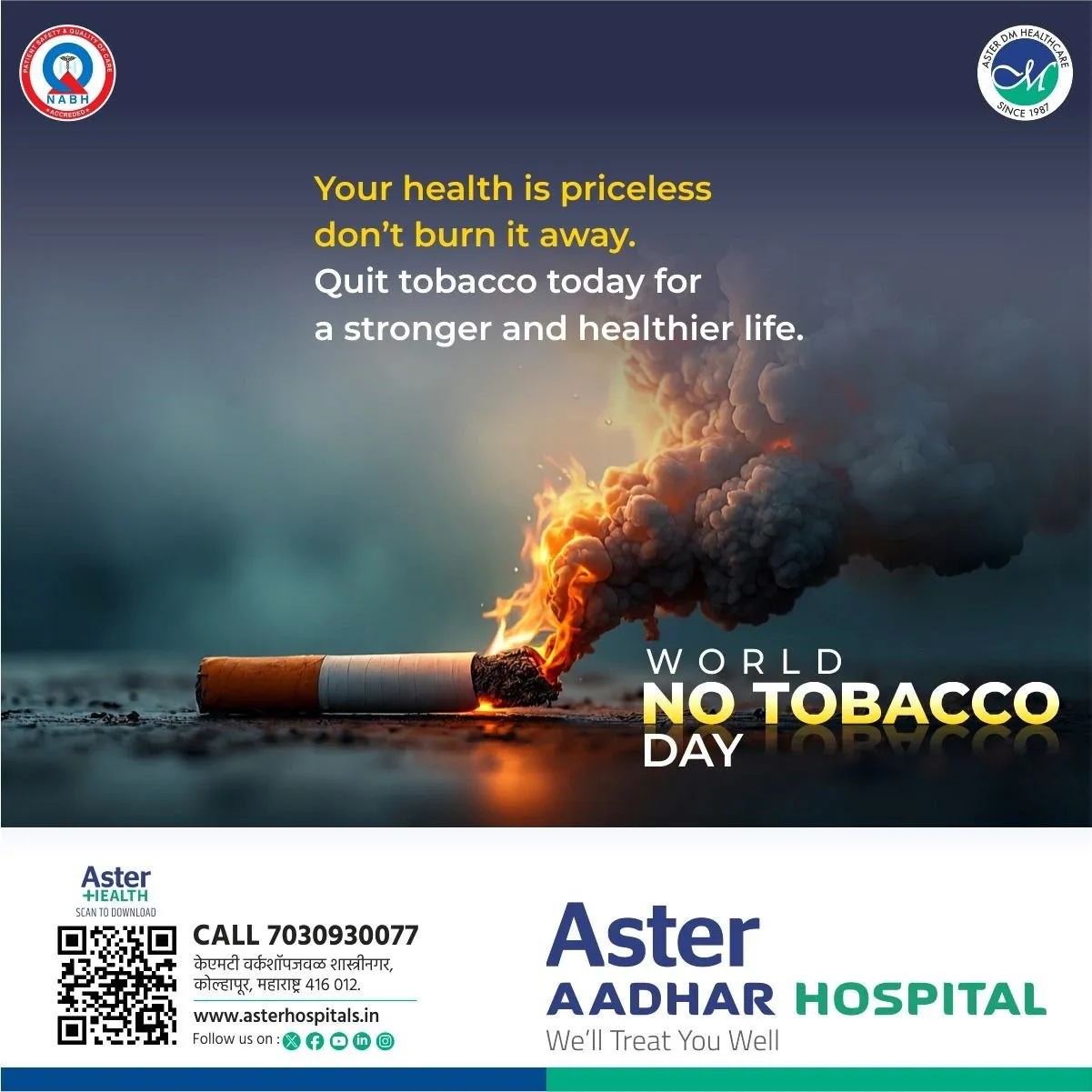

On the occasion of World No Tobacco Day, our Oncology Department joins the global effort to raise awareness about the devastating impact of tobacco and nicotine addiction. This year’s theme, “Unmasking the Appeal: Countering Nicotine and Tobacco Addiction,” focuses on exposing the strategies used to make tobacco and nicotine products appear attractive, especially among young people, while concealing their serious health consequences.
As oncologists, we witness the harmful effects of tobacco every day. A large number of cancer cases are directly linked to smoking and smokeless tobacco use. Despite increasing awareness, tobacco addiction continues to be one of the leading causes of preventable cancers and deaths worldwide.
Tobacco and Cancer – A Serious Health Threat
Tobacco contains thousands of harmful chemicals, many of which are known carcinogens. Smoking cigarettes, bidis, cigars, hookah, and using smokeless tobacco products such as gutkha and chewing tobacco significantly increase the risk of developing cancer.
Tobacco use is strongly associated with cancers of:
- Oral cavity and tongue
- Throat and voice box
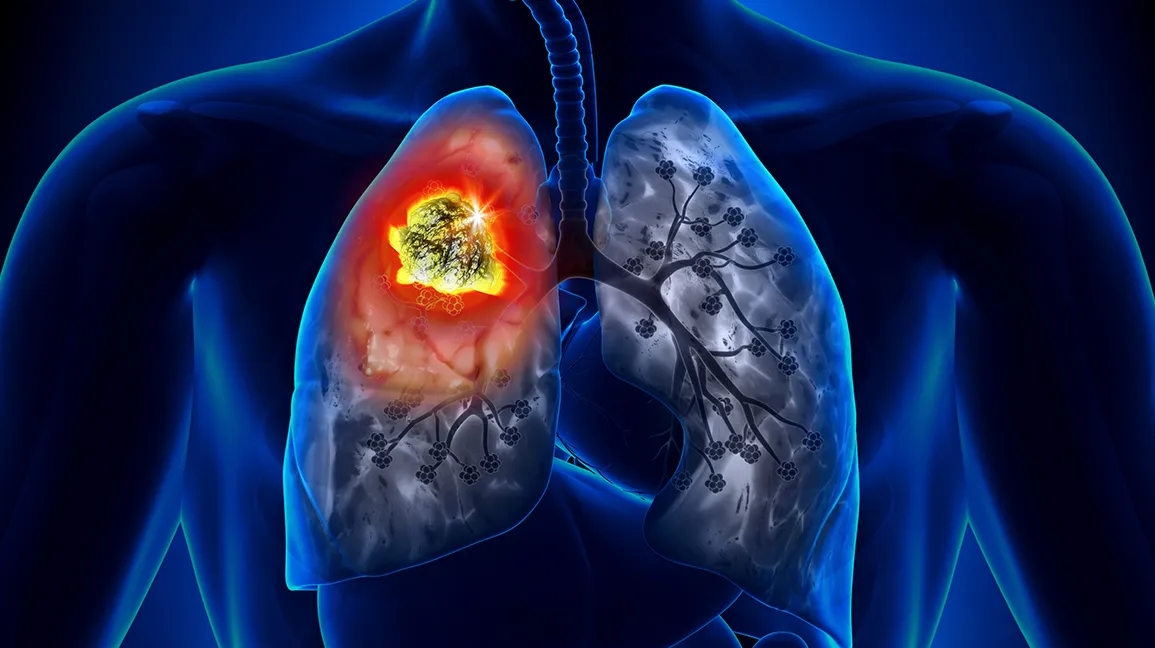
- Lungs
- Esophagus
- Stomach
- Pancreas
- Kidney and bladder
- Cervix
Among these, oral cancer and lung cancer are particularly common in India due to the widespread use of smoking and smokeless tobacco products.
The Hidden Appeal of Nicotine Products
Modern tobacco and nicotine products are often promoted through attractive packaging, flavored options, social media influence, and misleading advertising. E-cigarettes and vaping devices are especially marketed toward younger populations under the misconception that they are safer alternatives.
However, these products still contain addictive nicotine and harmful substances that can damage the lungs and increase long-term health risks. The growing use of vaping among adolescents is a major public health concern.
Early Warning Signs That Should Never Be Ignored
Early detection plays a critical role in successful cancer treatment. Individuals who use tobacco should seek medical evaluation if they experience:
- Persistent mouth ulcers
- White or red patches inside the mouth
- Difficulty swallowing
- Persistent cough or hoarseness
- Unexplained weight loss
- Blood in sputum
- Swelling in the neck or jaw
Ignoring these symptoms can delay diagnosis and reduce treatment success rates.
Benefits of Quitting Tobacco
It is never too late to quit tobacco. Stopping tobacco use can significantly reduce the risk of cancer and improve overall health. The benefits begin almost immediately after quitting and continue over time.
Quitting tobacco can:
- Lower cancer risk
- Improve lung and heart health
- Enhance treatment outcomes in cancer patients
- Reduce the risk of cancer recurrence
- Improve quality of life and life expectancy
Patients undergoing cancer treatment who quit tobacco often respond better to therapies and experience fewer complications.
Support for Tobacco Cessation
Tobacco addiction is both physical and psychological, and many individuals require professional support to quit successfully. Hospitals and healthcare professionals can help through:
- Tobacco cessation counseling
- Nicotine replacement therapy
- Behavioral therapy
- Lifestyle guidance and stress management
- Regular medical follow-up
Family encouragement and awareness also play an important role in helping individuals overcome addiction.
Message from Our Oncologist
“Every cigarette, every packet of tobacco, and every nicotine product carries hidden dangers that can eventually lead to life-threatening diseases, including cancer. On this World No Tobacco Day, we urge individuals to look beyond the marketing appeal of these products and understand the irreversible harm they can cause. Quitting tobacco today can save lives tomorrow. Awareness, prevention, and early medical intervention remain our strongest weapons against tobacco-related cancers.”
Conclusion
The theme “Unmasking the Appeal: Countering Nicotine and Tobacco Addiction” serves as a reminder that behind the attractive presentation of tobacco and nicotine products lies a serious health hazard. As oncologists, we strongly encourage individuals to avoid tobacco in all forms and seek medical support to quit if they are already addicted.
This World No Tobacco Day, let us commit ourselves to creating a healthier, tobacco-free future for our communities and future generations.