
As men grow older, certain health changes become common and one of the most frequently ignored conditions is Benign Prostatic Hyperplasia (BPH), also known as prostate enlargement.
After the age of 50, a large percentage of Indian men begin to experience prostate-related problems. However, many ignore the early symptoms assuming they are a “normal part of ageing.” Unfortunately, delaying treatment can significantly affect quality of life and may even lead to serious urinary complications.
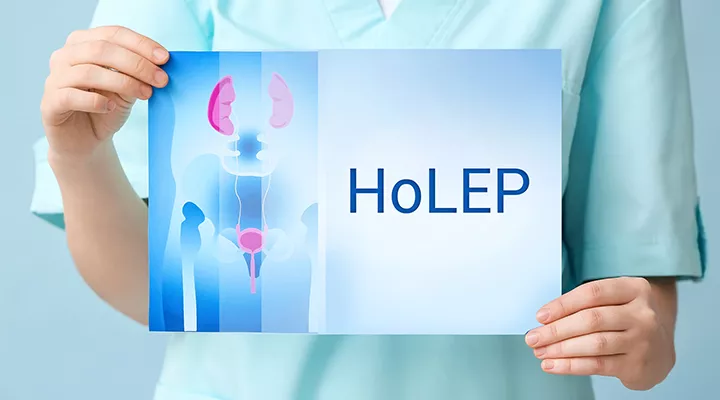
Today, with advanced treatments like HOLEP (Holmium Laser Enucleation of Prostate) surgery, prostate enlargement can be treated safely, effectively, and with faster recovery.
⸻
What is BPH?
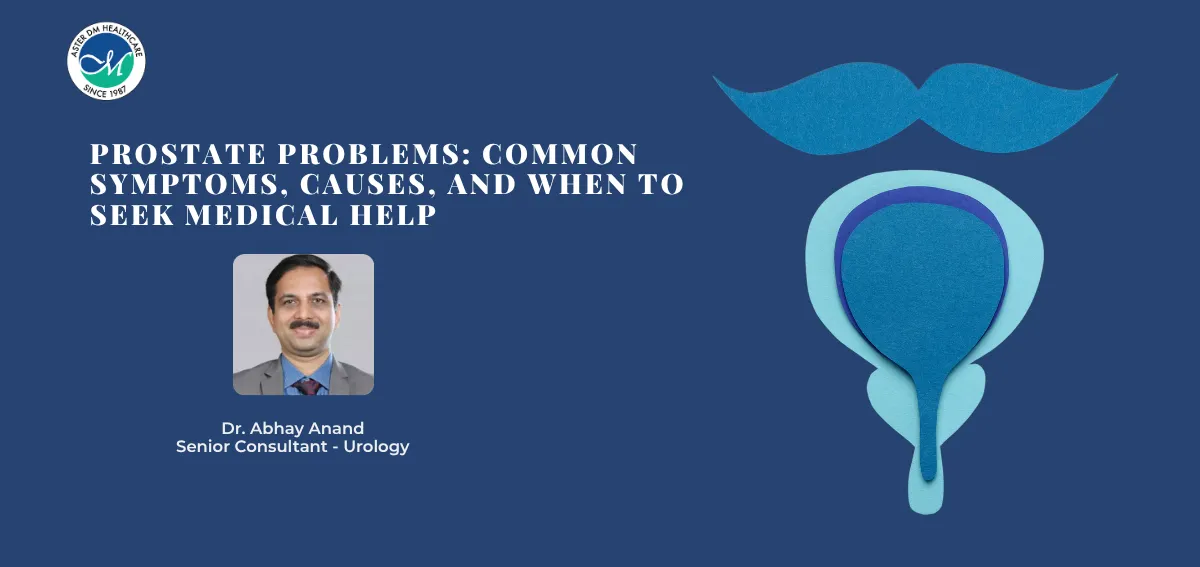
The prostate is a small gland located below the bladder in men. As men age, the prostate naturally starts enlarging. When this enlargement becomes non-cancerous and begins affecting urinary flow, it is called Benign Prostatic Hyperplasia (BPH).
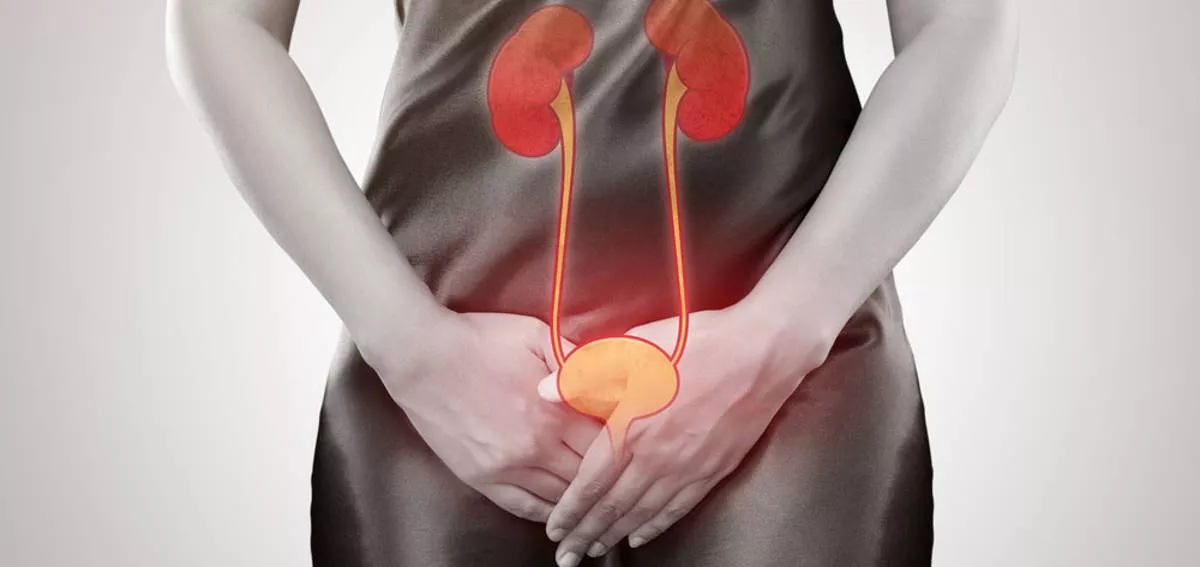
An enlarged prostate can press against the urethra, making it difficult for urine to pass normally.
BPH is extremely common among elderly men, especially after 50 years of age.
⸻
Why Are Prostate Problems Increasing in Elderly Men?
Several factors contribute to the rising number of BPH cases among the ageing population in India:
* Increasing life expectancy
* Sedentary lifestyle
* Diabetes and obesity
* Hormonal changes with ageing
* Family history
* Poor urinary health awareness
Many men hesitate to discuss urinary symptoms openly, which often delays diagnosis and treatment.
⸻
Early Warning Signs of Prostate Enlargement
One of the biggest problems with BPH is that patients tend to ignore the symptoms in the beginning.
Here are some early signs that should never be neglected:
Frequent Urination
Especially needing to urinate multiple times during the night.
Weak Urine Flow
A slow or interrupted urine stream is a common symptom.
Difficulty Starting Urination
Many men strain or wait before urine starts flowing.
Feeling of Incomplete Emptying
Even after urinating, the bladder may still feel full.
Urgency to Urinate
A sudden uncontrollable urge to pass urine.
Dribbling After Urination
Leakage or dripping after finishing urination.
Burning Sensation or Discomfort
Some patients experience discomfort during urination.
These symptoms may initially seem minor, but over time they can worsen significantly if untreated.
⸻
When BPH Becomes Serious
Ignoring prostate enlargement for a long period can lead to complications such as:
* Complete urinary blockage
* Recurrent urine infections
* Bladder stones
* Kidney problems
* Blood in urine
* Damage to bladder function
This is why early consultation with a urologist is very important.
⸻
Who Has Higher Chances of Developing BPH?
The risk of BPH increases in men who:
* Are above 50 years of age
* Have diabetes or obesity
* Have a family history of prostate problems
* Lead a physically inactive lifestyle
* Have hypertension or metabolic disorders
After the age of 60, the chances of developing prostate enlargement become significantly higher.
⸻
Advanced Treatment for BPH: HOLEP Surgery
One of the most advanced and effective treatments available today for enlarged prostate is HOLEP surgery (Holmium Laser Enucleation of Prostate).
HOLEP is a minimally invasive laser procedure used to remove enlarged prostate tissue blocking the urinary passage.
Unlike traditional surgery, HOLEP uses laser technology for greater precision and safer outcomes.
⸻
Benefits of HOLEP Surgery
Minimally Invasive Procedure
No major cuts or open surgery required.
Less Bleeding
Laser technology reduces blood loss significantly.
Faster Recovery
Patients usually recover quicker compared to conventional procedures.
Shorter Hospital Stay
Most patients can return home earlier.
Effective for Large Prostates
HOLEP is highly effective even in significantly enlarged prostates.
Improved Urine Flow
Patients often experience immediate symptom relief.
Lower Risk of Recurrence
Long-term results are excellent with lower chances of repeat procedures.
⸻
Don’t Ignore the Symptoms
Many men silently suffer from urinary symptoms for years due to embarrassment or lack of awareness. However, early diagnosis and advanced treatment can greatly improve comfort, confidence, and overall quality of life.
If you or your loved one experiences frequent urination, weak urine flow, or difficulty passing urine after the age of 50, it is important to consult a urologist without delay.
With modern treatment options like HOLEP surgery, enlarged prostate can now be managed safely, effectively, and with minimal discomfort.
Related Blogs

Featured Blogs


One Aster
Personalized Medical Assistant for all your healthcare needs.
Book instant appointment, pay securely, eConsult with our doctors and save all your health records at one place are some of the benefits of OneAster App. It is everything you need, to manage your family Health.



* Registration available only for valid Indian mobile number