
Introduction
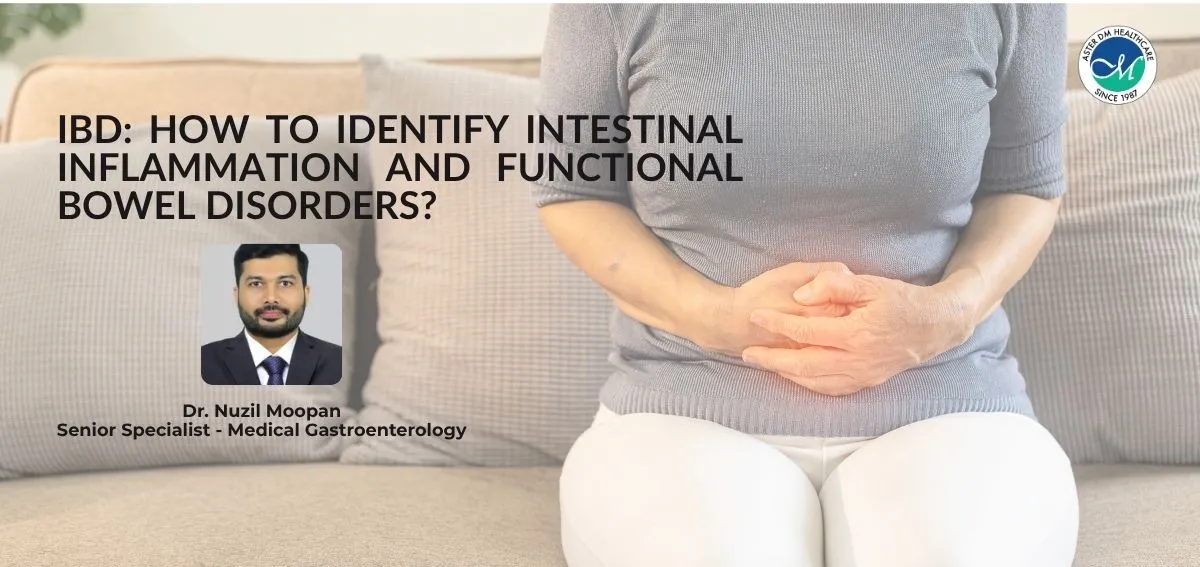
Abdominal discomfort and bowel-related complaints are among the most common reasons people seek medical attention today. Symptoms such as abdominal pain, bloating, gas, diarrhea, and constipation are often dismissed as minor digestive disturbances. However, persistent gastrointestinal symptoms should never be ignored, as they may indicate a more serious underlying condition affecting the digestive tract.
Inflammatory Bowel Disease (IBD) is a chronic condition characterized by ongoing inflammation and ulceration of the gastrointestinal tract. Conditions such as Crohn’s Disease and Ulcerative Colitis fall under the spectrum of IBD. Since the symptoms of IBD often overlap with those of functional bowel disorders such as Irritable Bowel Syndrome (IBS), many patients find it difficult to distinguish between the two. Understanding the differences is essential for timely diagnosis and effective treatment.
Symptoms: Is It Inflammation or a Functional Disorder?
While abdominal pain, bloating, and changes in bowel habits can occur in both IBD and IBS, certain warning signs point toward active intestinal inflammation.
Key Signs of Active Inflammation (IBD)
1. Blood in the Stool
Blood in the stool is one of the most significant red-flag symptoms of IBD. Inflammation and ulcers within the intestine can cause bleeding, resulting in visible blood or mucus mixed with stool.
Unlike IBD, functional bowel disorders such as IBS do not typically cause blood in the stool.
2. Unexplained Weight Loss
Significant weight loss without a clear reason may occur when the inflamed intestine is unable to absorb nutrients effectively. Patients with IBD may also experience:
- Fatigue
- Weakness
- Anemia
- Nutritional deficiencies
3. Night-Time Symptoms
Severe abdominal pain or diarrhea that wakes a person from sleep is another important indicator of active intestinal inflammation. Such symptoms are uncommon in functional bowel disorders and should be evaluated by a gastroenterologist.
Symptoms More Common in Functional Bowel Disorders (IBD)
In IBS, the structure of the intestine remains normal, and there is no active inflammation or tissue damage. Common symptoms include:
- Abdominal discomfort
- Bloating
- Excessive gas
- Constipation
- Diarrhea
- Alternating constipation and diarrhea
However, symptoms such as rectal bleeding, significant weight loss, and anemia are generally not associated with IBS.
Causes and Risk Factors of IBD
Although the exact cause of IBD remains unclear, several factors are known to increase the risk.
Immune System Dysfunction
IBD is believed to result from an abnormal immune response in which the body's immune system mistakenly attacks healthy intestinal tissue, leading to chronic inflammation.
Family History
Genetics play an important role in the development of IBD. Individuals with a family history of Crohn’s disease or ulcerative colitis have a higher likelihood of developing the condition.
Environmental Factors
Lifestyle and environmental influences can significantly affect gut health. Risk factors include:
- Smoking
- Diets high in processed foods
- Excessive consumption of unhealthy fats
- Sedentary lifestyle habits
These factors may contribute to intestinal inflammation and increase disease susceptibility.
Age
IBD is most commonly diagnosed between the ages of 15 and 30 years, although it can occur at any age.
Why Early Diagnosis Is Important
Ignoring symptoms and delaying treatment can allow inflammation to progress, leading to permanent damage to the digestive tract.
Potential complications include:
- Intestinal strictures (narrowing of the bowel)
- Intestinal perforation (holes in the intestine)
- Fistula formation
- Malnutrition
- Severe anemia
- Increased risk of colorectal cancer
Early diagnosis and intervention can help prevent these complications and significantly improve quality of life.
How Is IBD Diagnosed?
Several advanced investigations help differentiate IBD from functional bowel disorders such as IBS.
Blood Tests
Blood investigations can identify:
- Inflammation
- Anemia
- Nutritional deficiencies
Fecal Calprotectin Test
The Fecal Calprotectin Test measures inflammation within the intestine and is highly useful in distinguishing inflammatory bowel disease from functional gastrointestinal disorders.
Colonoscopy
A colonoscopy allows direct visualization of the intestinal lining, helping doctors identify:
- Inflammation
- Ulcers
- Tissue damage
Biopsy samples may also be collected for further evaluation.
Imaging Studies
CT scans, MRI scans, and other imaging techniques may be recommended to assess the extent and severity of disease, particularly in Crohn’s disease.
Maintaining a Healthy Gut
While not all digestive diseases can be prevented, certain lifestyle measures can help support intestinal health:
- Include fiber-rich fruits and vegetables in your diet
- Drink adequate amounts of water
- Limit processed and high-fat foods
- Avoid smoking
- Exercise regularly
- Manage stress effectively
Although stress does not directly cause IBD, it can aggravate digestive symptoms and affect overall well-being.
When Should You Consult a Gastroenterologist?
Persistent digestive symptoms should never be self-treated without proper medical evaluation.
Seek expert consultation if you experience:
- Blood in the stool
- Unexplained weight loss
- Persistent diarrhea
- Severe abdominal pain
- Excessive fatigue
- Anemia
- Night-time bowel disturbances
Timely consultation with experienced gastroenterology doctors in Calicut can help ensure accurate diagnosis and early treatment. At the best gastroenterology hospital in Calicut, advanced diagnostic facilities and comprehensive treatment options are available for conditions such as IBD, IBS, Crohn’s disease, ulcerative colitis, and other digestive disorders.
If you are looking for the best gastroenterologist in Kerala, choosing a center with expertise in inflammatory bowel disease, advanced endoscopy, and multidisciplinary digestive care can help achieve better long-term outcomes.
Conclusion
IBD is more than just a digestive problem—it is a chronic inflammatory condition that can significantly impact a person's health and quality of life if left untreated. Recognizing the warning signs, seeking timely medical attention, and undergoing appropriate diagnostic testing are crucial for effective disease management.
With early diagnosis, appropriate treatment, and regular follow-up, most patients with IBD can successfully manage their condition and lead healthy, productive lives.