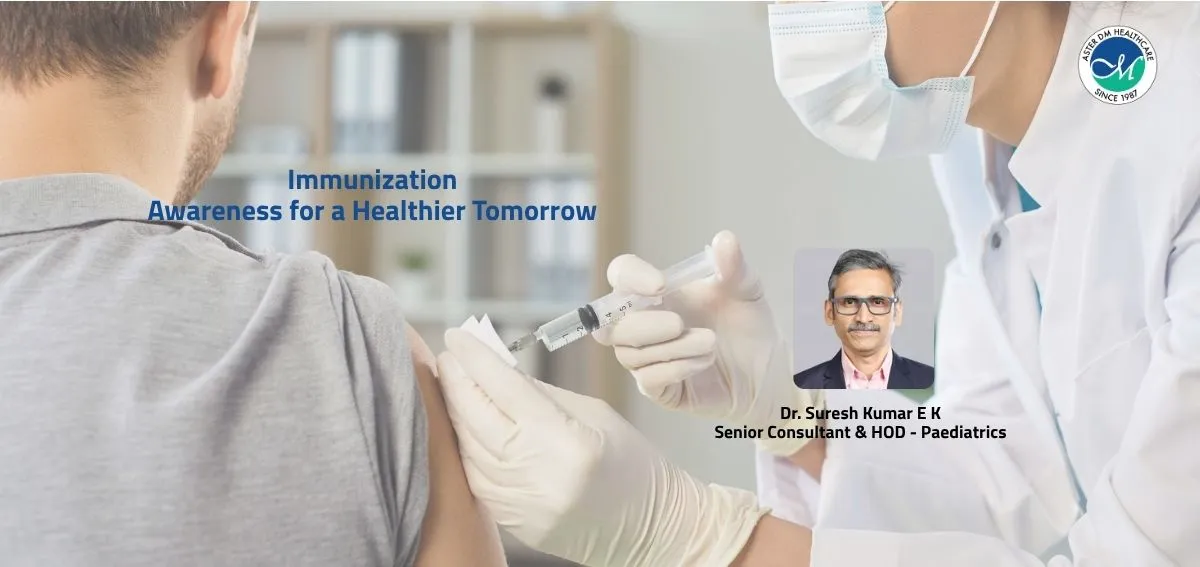

Vaccination is one of the simplest and most effective ways to protect people from serious infectious diseases. By helping the immune system recognize harmful germs before an infection occurs, vaccines provide protection that can benefit individuals, families and the wider community.
Why Immunization Matters
Immunization plays an important role in preventing diseases that can lead to complications, hospitalization and, in severe cases, death. High vaccination coverage also helps reduce the spread of preventable infections and provides an added layer of protection for people who may be more vulnerable.
- Helps prevent serious infectious diseases and their complications.
- Reduces the spread of vaccine-preventable infections in the community.
- Protects vulnerable people, including young infants and some people with medical conditions.
- Can reduce avoidable hospital visits and the costs associated with preventable illness.
- Supports healthier families, schools, workplaces and communities.
How Do Vaccines Work?
Vaccines give the immune system a safe way to learn about a specific infection. After vaccination, the body can develop immune memory. If it encounters the same infection later, the immune system may recognize it more quickly and respond more effectively.
Protection Across Every Stage of Life
Immunization is not only important during childhood. Vaccine recommendations can continue through adolescence and adulthood, depending on age, health conditions, pregnancy, occupation, travel and local health guidance.
- Children should receive vaccines according to the recommended national immunization schedule.
- Adolescents may need age-specific vaccines or booster doses.
- Adults may require routine boosters or vaccines based on age and individual risk.
- Pregnant women may be advised to receive certain vaccines for their own protection and to help protect their babies.
- Travellers and people in particular occupational or medical risk groups may need additional vaccines.
Understanding Common Concerns
Questions about vaccines are completely understandable. The best way to address concerns is to discuss them with a qualified healthcare professional and use reliable health information.
- Mild soreness, tiredness or a low-grade fever can occur after some vaccines and generally settle on their own.
- Vaccines are evaluated for safety and effectiveness before they are recommended for routine use.
- A delayed vaccination does not necessarily mean protection has to be abandoned; ask a healthcare professional about catch-up vaccination.
- Vaccination recommendations are not identical for everyone and can vary according to age, health and circumstances.
- Social media posts should not be used as the only source for making vaccination decisions.
Simple Steps to Stay Protected
- Keep vaccination records safe and up to date.
- Check which vaccines or booster doses are due during routine health visits.
- Ask a healthcare professional about any missed or delayed doses.
- Mention previous serious reactions, allergies, pregnancy or important medical conditions before vaccination.
- Choose trustworthy health information and discuss doubts with a qualified healthcare professional.
A Small Step, A Bigger Protection
Immunization is a shared responsibility. Staying up to date with recommended vaccines helps protect individuals while also reducing the chance of preventable infections spreading to others. A few minutes spent checking a vaccination record today can contribute to better health for years to come.
Stay informed • Stay protected • Stay healthy