
A 22-Year-Old Patient Survives a Life-Threatening Chest and Abdominal Gunshot Injury
A 22-year-old male was brought to the Emergency Department by his relatives following an alleged gunshot wound (GSW) sustained in Ichalkaranji. On arrival, the patient was conscious and oriented. His pulse rate was 98/min, blood pressure was 130/80 mmHg and SpO₂ was 98% with oxygen support.
Clinical examination revealed significant abdominal distension with guarding and rigidity. Reduced air entry was noted over the right basal region of the chest, raising concern for significant thoraco-abdominal trauma.
CT Scan Reveals Extensive Internal Injuries
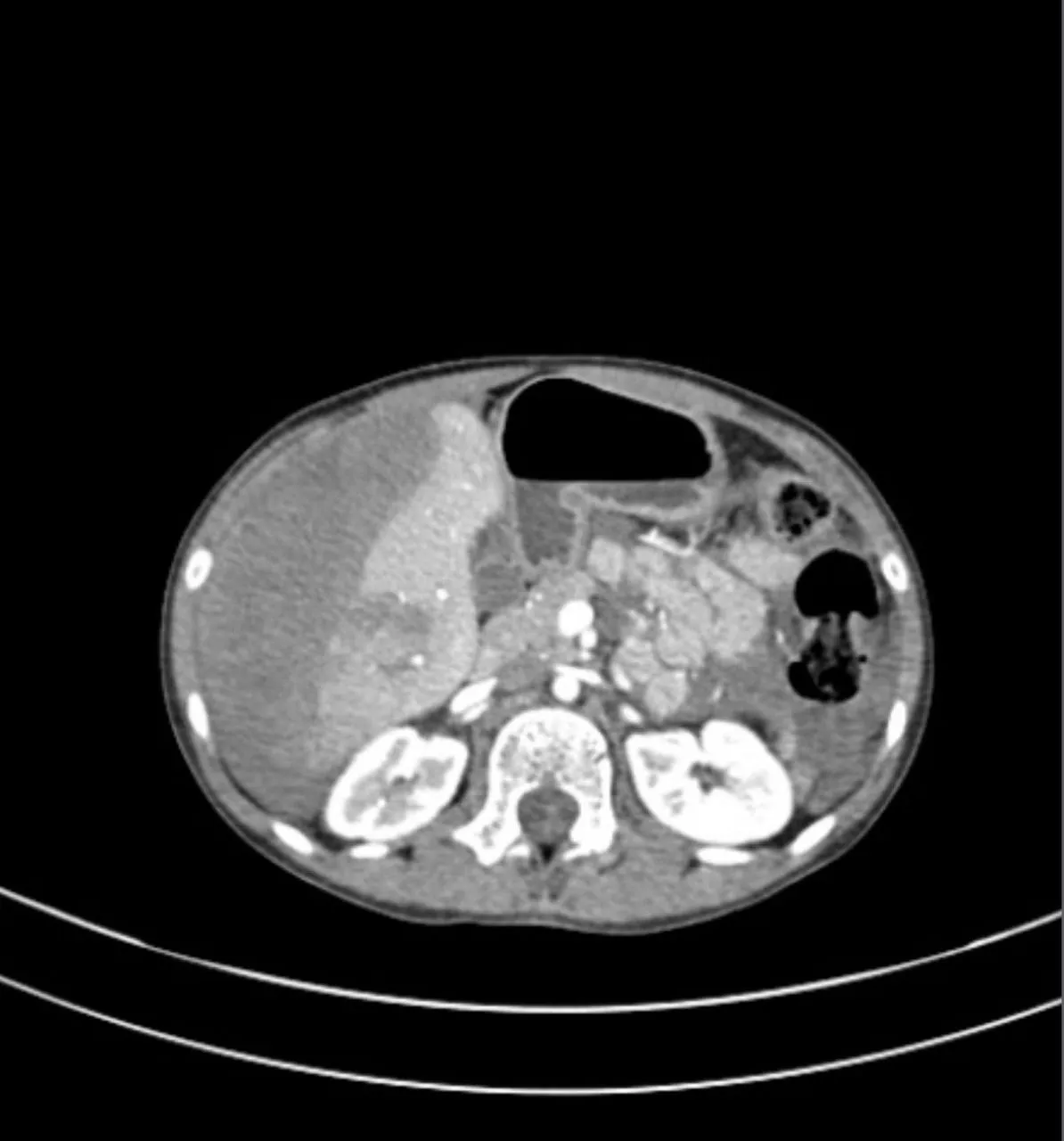
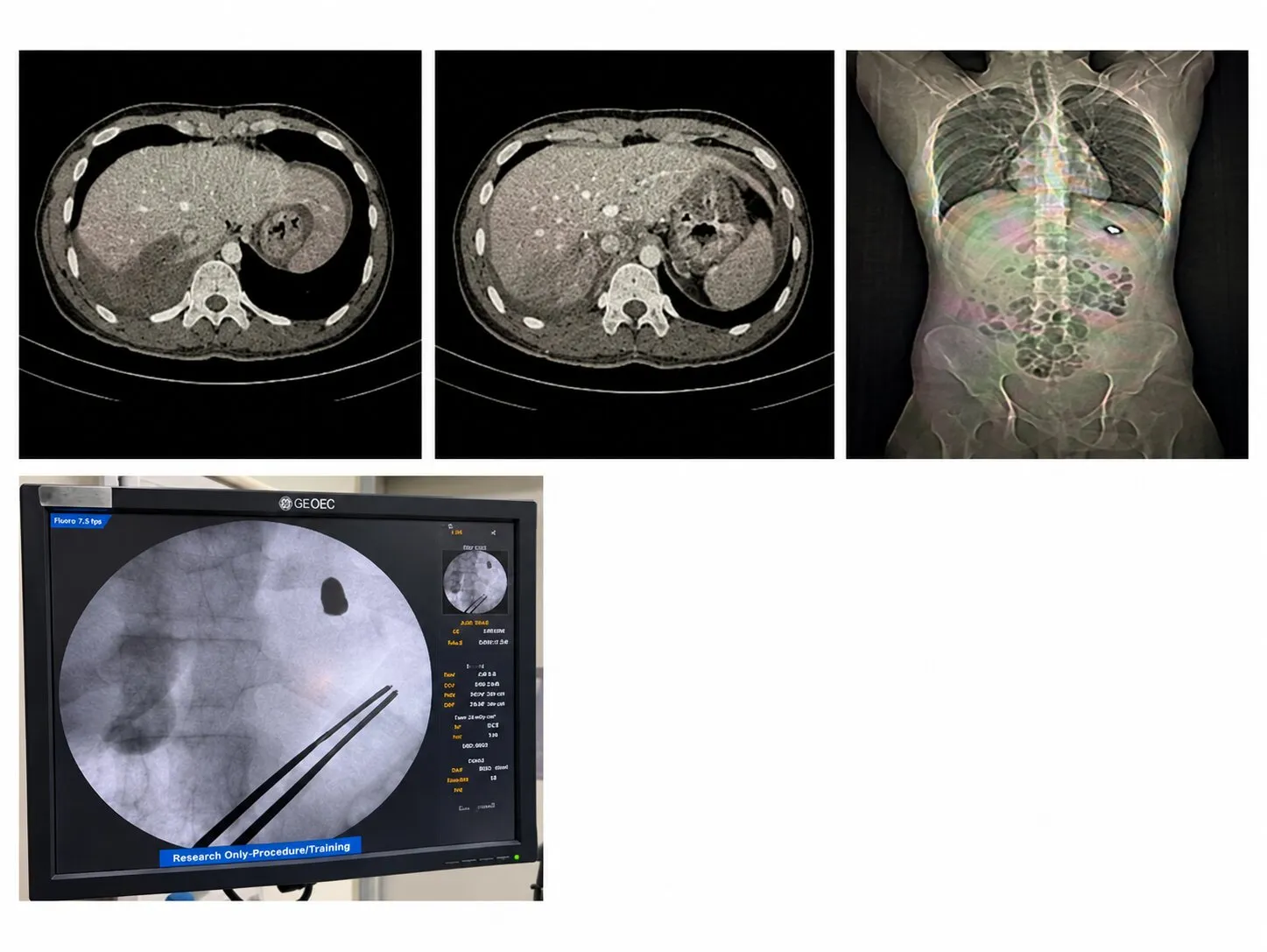
An emergency CT scan revealed a complex pattern of injuries involving the chest, liver and stomach.
The scan showed a right-sided hydrohemopneumothorax, with approximately 500 mL of pleural collection, along with right lower-lobe lung contusion and laceration. Subpleural atelectatic changes and surgical emphysema involving the right lower chest and upper abdomen were also noted.
The imaging further demonstrated a Grade II liver laceration/contusion involving Segment VII and the caudate lobe, with multiple retained metallic bullet fragments within the liver. There was also a possibility of intrahepatic inferior vena cava (IVC) injury, along with a small thrombus within the IVC.
Of particular concern, the bullet was lodged near the cardia/ gastroesophageal (GE) junction of the stomach, with findings suggestive of gastric perforation. Multiple foci of free intraperitoneal air further indicated a breach of the gastrointestinal tract.
The combination of chest, liver and gastric injuries, along with the possibility of major vascular involvement, made this a life-threatening polytrauma requiring immediate surgical intervention.
Emergency Surgery
Considering the extent and severity of the injuries, the patient was taken up for emergency operative management.
The surgical team performed an emergency exploratory laparotomy, during which the retained bullet/foreign object was removed. The gastric perforation was identified and closed.
The patient also required a right thoracotomy to address the thoracic injuries. The lung perforation was repaired, and the associated diaphragmatic rent was repaired.
The coordinated management of the chest and abdominal injuries was essential in controlling the damage caused by the projectile and preventing further complications.
A Complex Polytrauma Successfully Managed
Gunshot injuries involving both the chest and abdomen can be particularly challenging because multiple vital organs and major blood vessels may be injured simultaneously. In this case, the patient had injuries involving the right lung, pleura, diaphragm, liver and stomach, with a suspected IVC injury.
The prompt recognition of the injuries, rapid imaging, emergency surgical decision-making and coordinated management of the thoraco-abdominal trauma were critical components of the patient's treatment.
This case highlights the importance of rapid trauma assessment, timely imaging and immediate surgical intervention in patients presenting with penetrating thoraco-abdominal injuries.