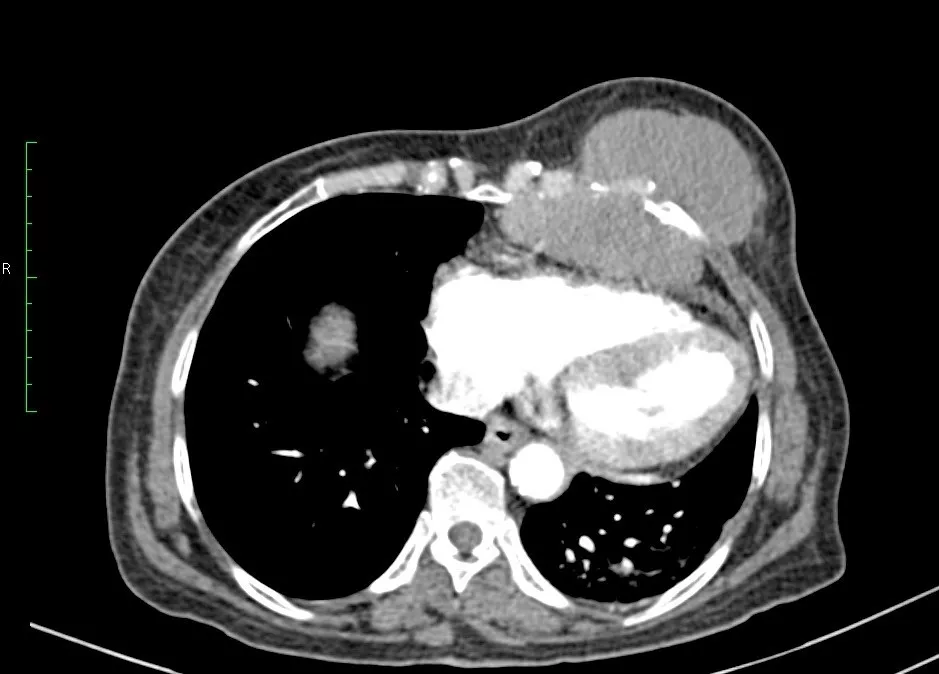

Breast cancer is one of the most common cancers affecting women worldwide. While a diagnosis can be emotionally challenging for patients and their families, advances in medical technology, improved diagnostic methods, and modern surgical techniques have significantly enhanced the management of breast cancer. Breast Cancer Awareness Month serves as an important reminder that awareness, early detection, and timely treatment can make a meaningful difference in patient outcomes.
Understanding Breast Cancer
Breast cancer develops when cells in the breast grow abnormally and multiply uncontrollably. It can affect women of different age groups, although the risk generally increases with age. A family history of breast cancer, certain genetic mutations, hormonal factors, obesity, alcohol consumption, and a history of previous breast conditions may influence an individual's risk.
However, breast cancer can also occur in women without any identifiable risk factors. Therefore, awareness of breast health and regular medical consultations are essential.
Recognising the Early Warning Signs
Early breast cancer may not always cause pain. Women should be aware of changes in their breasts and seek medical advice if they notice:
- A lump or thickening in the breast or underarm.
- Changes in the size, shape, or appearance of the breast.
- Dimpling, puckering, or redness of the breast skin.
- Nipple inversion or unusual nipple discharge, particularly if bloody.
- Persistent changes or discomfort in the breast.
These symptoms do not necessarily indicate cancer, but they should not be ignored. Prompt evaluation by a qualified doctor helps identify the cause and determine whether further investigation is required.
Why Early Detection Matters
Early detection plays a crucial role in the successful treatment of breast cancer. Depending on a woman's age, risk factors, and clinical history, screening may involve clinical breast examination and mammography. Women at higher risk may require additional assessment, including genetic counselling or other imaging investigations.
Any new or suspicious breast change should be evaluated even if a recent screening test was normal. Screening recommendations should be individualised in consultation with a healthcare professional.
When breast cancer is diagnosed at an early stage, treatment options may be broader, and the chances of successful treatment are generally better.
Modern Breast Cancer Treatment: A Personalised Approach
Breast cancer treatment depends on several factors, including the type and stage of cancer, tumour biology, hormone receptor status, HER2 status, and the patient's overall health.
Treatment may involve breast-conserving surgery, mastectomy, radiotherapy, chemotherapy, hormone therapy, targeted therapy, or immunotherapy in selected cases. A multidisciplinary team comprising breast surgeons, medical oncologists, radiation oncologists, radiologists, and pathologists helps develop an appropriate treatment plan for each patient.
Whenever medically suitable, treatment planning also considers breast preservation, reconstruction options, recovery, and quality of life.
The Role of Robotic Surgery in Breast Cancer Care
Robotic-assisted surgery represents an evolving advancement in selected breast cancer procedures. Using specialised instruments and a high-definition, magnified view of the surgical area, robotic systems can help surgeons perform certain operations with precision through carefully planned incisions.
In selected patients, robotic-assisted techniques may be considered for procedures such as nipple-sparing mastectomy and immediate breast reconstruction, depending on the tumour characteristics, anatomy, available technology, and the surgeon's expertise.
Potential benefits in appropriately selected cases may include smaller or strategically placed incisions, improved visualisation, and favourable cosmetic outcomes. However, robotic surgery is not suitable for every patient, and its advantages depend on the specific procedure and clinical situation. It has not been established as superior to conventional surgery for every breast cancer operation, and it does not replace the need for appropriate cancer treatment.
At Aster Aadhar Hospital, patients can consult the treating team to understand the available surgical options, including whether robotic-assisted surgery is appropriate for their individual condition. The priority remains complete and safe cancer treatment while considering recovery, breast reconstruction, and long-term quality of life.
Breaking the Myths Around Breast Cancer
Several misconceptions can delay diagnosis and treatment. A breast lump is not always cancerous, but every suspicious lump requires medical evaluation. Breast cancer can affect younger women as well as older women. The absence of pain does not rule out cancer, and a family history is not essential for the disease to develop.
Most importantly, a breast cancer diagnosis does not mean that treatment options are limited. Advances in diagnosis, surgery, systemic therapies, and supportive care have improved outcomes for many patients.
Take Charge of Your Breast Health
Breast Cancer Awareness Month is an opportunity to encourage women to prioritise their health, understand their personal risk, attend recommended screening appointments, and seek medical advice without delay when they notice a change.
Early diagnosis, evidence-based treatment, and compassionate support can make a significant difference throughout the cancer journey.
At Aster Aadhar Hospital, the focus is on informed decisions, personalised breast cancer care, and access to appropriate treatment options, including advanced surgical approaches where clinically indicated. If you notice a breast change or have concerns about your breast health, consult a qualified specialist. Early evaluation can be an important step towards better outcomes.