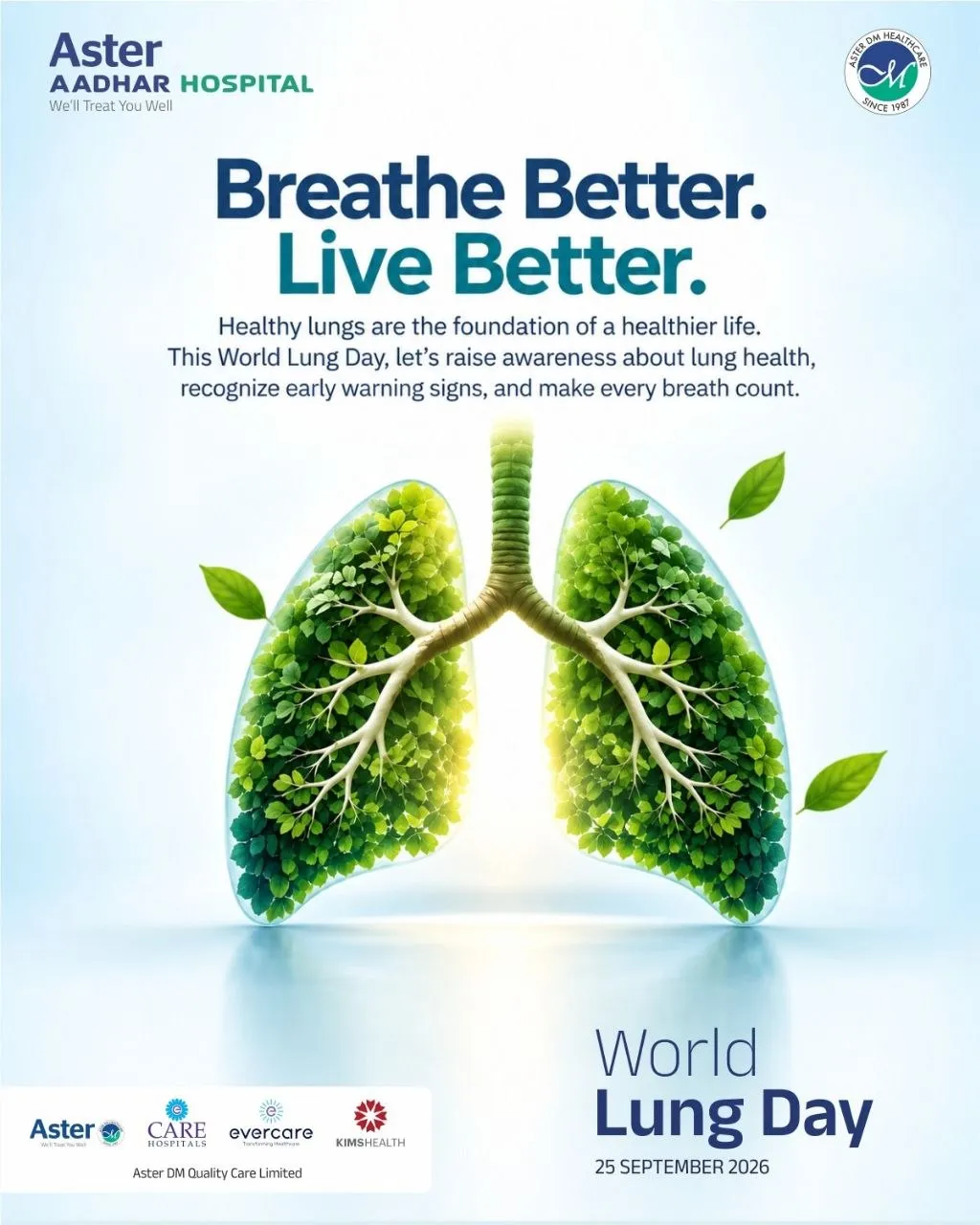

The newest scan cannot replace listening. The most advanced bronchoscope cannot replace judgement. And the best treatment is of little value without the right diagnosis.
Perhaps this is why lung disease deserves our attention before it becomes a crisis.
It rarely takes away life all at once.
It can take away the small things first—the morning walk, the staircase, the game with your child, the trek you stopped planning, the conversation that now requires a pause for breath.
And gradually, we call that normal.
We shouldn't have to.
We cannot control every disease or every breath of air around us. But we can choose not to ignore a change in our breathing. We can protect ourselves from tobacco, smoke, dust and harmful exposures. We can stay active. We can seek an explanation rather than endlessly treating the symptom.
Because medicine has moved forward.
From listening to the chest to measuring its function.
From looking at the lung to reaching inside it.
From simply diagnosing disease to treating selected problems through the airway and pleural space.
The journey has changed. The destination remains simple: helping a person breathe better and live more fully.
Right now, as you finish reading this, you have probably taken several breaths without noticing a single one.
That is the beauty of healthy breathing.
It is almost invisible.
And perhaps that is the greatest success of all—not that we think about our lungs every day, but that they allow us to forget them while we get on with living.
So this World Lung Day, take a moment to appreciate the breath you already have.
Protect it.
Listen to it.
And if it changes, ask why.
Because every ordinary thing you hope to do tomorrow begins with something extraordinary you did today without thinking.
You breathed.
Featured Blogs
One Aster
Personalized Medical Assistant for all your healthcare needs.
Book instant appointment, pay securely, eConsult with our doctors and save all your health records at one place are some of the benefits of OneAster App. It is everything you need, to manage your family Health.



* Registration available only for valid Indian mobile number