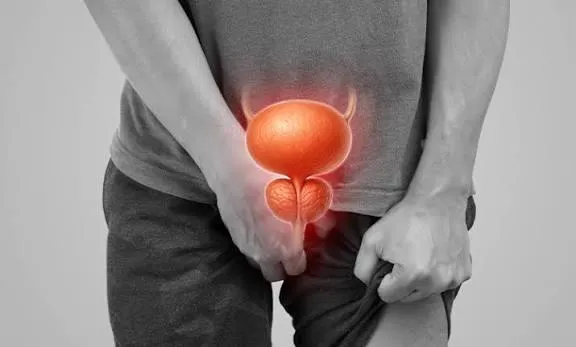

Prostate cancer is generally known as a slow-growing disease in older men. However, when it develops in younger men, it often behaves much more aggressively, spreading rapidly and requiring prompt medical attention.
You are probably in one of the busiest and most productive phases of your life—perhaps over the age of 50, balancing career growth, family responsibilities and your children's future. With a packed schedule, it's easy to believe, "I'm healthy. I'm still young enough not to worry." Unfortunately, that confidence can sometimes lead people to ignore subtle changes in their bodies.
What many people don't realize is that a silent disease may be developing without causing obvious symptoms. More concerning is the fact that while prostate cancer usually progresses slowly in older adults, it can become highly aggressive and fast-spreading when it occurs at a younger age.
What Is the Prostate Gland?
The prostate is a small gland in the male reproductive system. It is located just below the bladder and surrounds the urethra, the tube that carries urine out of the body.Its primary function is to produce a fluid that nourishes, protects, and helps transport sperm, contributing to healthy male fertility. As men age, abnormal and uncontrolled changes can occur in the cells of the prostate, sometimes leading to cancer. When these abnormal cell changes develop at a younger age, the condition is referred to as early-onset prostate cancer.
Warning Signs You Should Never Ignore
Many younger men dismiss minor health concerns, assuming they are caused by stress, fatigue, or a demanding lifestyle. However, the following symptoms may be warning signs that deserve medical attention:
Frequent urination at night: Waking up several times during the night to urinate.
Difficulty starting urination: Trouble initiating urine flow or experiencing a weak urine stream.
Pain or discomfort: Pain during urination or ejaculation.
Blood in the urine or semen: The presence of blood should never be ignored.
Persistent lower back, hip, or thigh pain: Ongoing pain without an obvious cause may indicate that the cancer has spread to the bones.
Why Is It More Dangerous in Younger Men?
In older adults, prostate cancer often grows slowly. Because of its slow progression, doctors may recommend No Operation, where the condition is closely monitored through regular check-ups instead of immediate treatment.
In younger men, however, genetic changes within the prostate cells may occur more rapidly. As a result, every delay in diagnosis increases the likelihood that the cancer will spread quickly to other parts of the body. This makes early-onset prostate cancer significantly more aggressive and one that should never be taken lightly.
Factors That Increase the Risk
Family History
If your father, brother, or another close family member has been diagnosed with prostate cancer, your risk is higher. Regular screening and early evaluation become especially important.
Lifestyle
Certain lifestyle factors may also increase the risk, including:
Obesity
A diet high in red meat and fatty foods
What should be done to save a life?
Through a simple blood test, we can catch this silent enemy early. That is the PSA (Prostate-Specific Antigen) test. An elevated level of PSA in the blood indicates an abnormality in the prostate. Along with this, getting a Digital Rectal Examination done by a urologist's advice will make the diagnosis more accurate. If you have a hereditary risk of this disease, getting a PSA test done as soon as you turn 45 could diagnose earlier.
Remember, you may think that hiding your fatigue or pain is for the sake of your family. But there is a family behind you that will fall apart if something happens to you. Don't put off even a small discomfort while urinating until tomorrow by telling yourself "it must be because it's hot."
Start paying attention to your body today itself. Because prostate cancer is something that can be completely cured if detected early. The longer you delay, it won't just be your life that is lost, but also the hopes of a group of people who consider you their life.