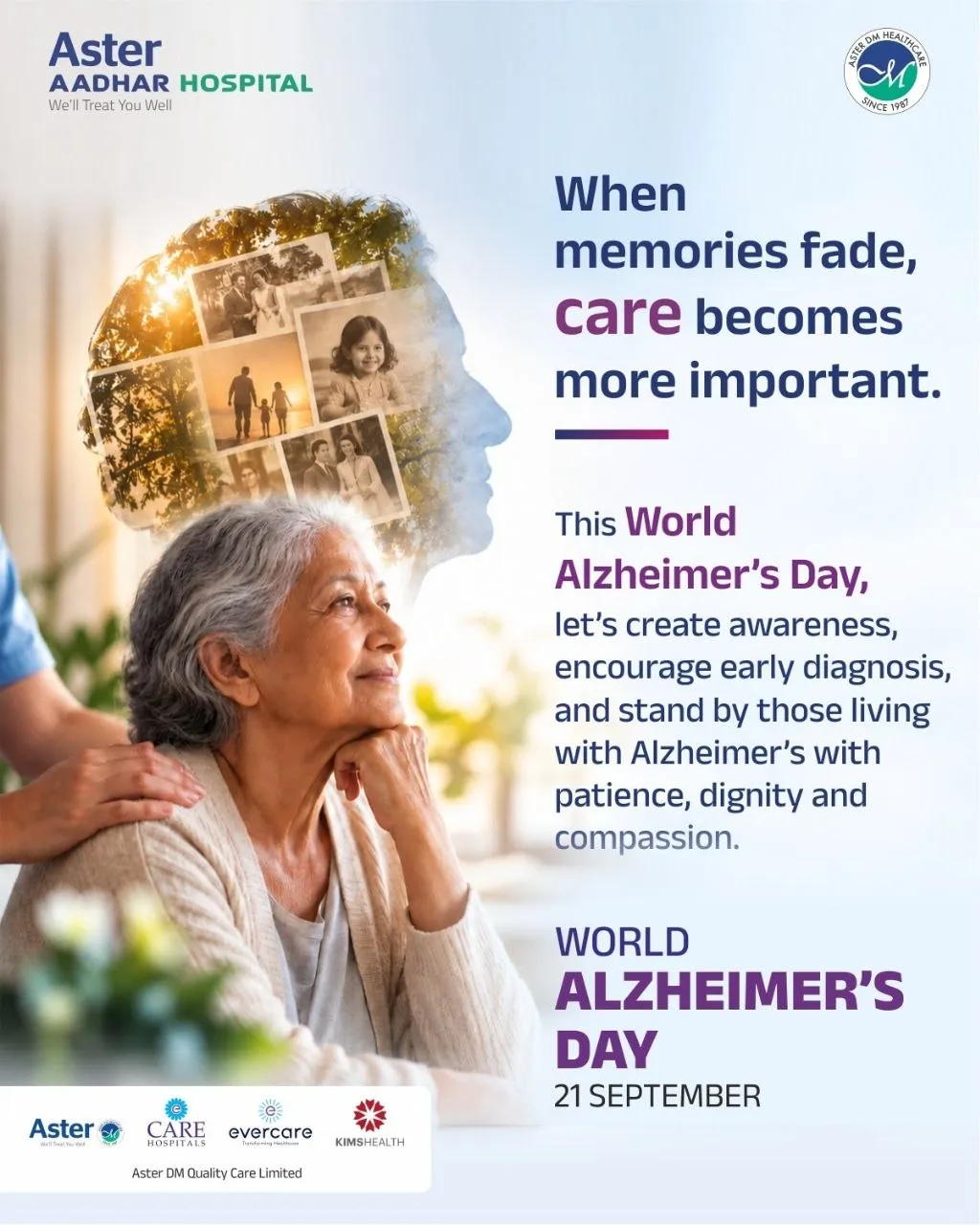

Every year, 21st September is observed as World Alzheimer’s Day to raise awareness about Alzheimer’s disease and other forms of dementia, reduce stigma, and encourage timely diagnosis and care. According to the World Health Organization (WHO), dementia affects millions of people worldwide, with Alzheimer’s disease accounting for nearly 60–70% of all dementia cases.
The global focus of recent awareness campaigns highlights the importance of recognizing symptoms early and understanding that a dementia diagnosis can help individuals and families access appropriate treatment, support, and planning.
What is Alzheimer’s Disease?
Alzheimer’s disease is a progressive brain disorder that affects memory, thinking, behavior, and the ability to perform daily activities. While memory loss is a common symptom, the condition gradually impacts communication, decision-making, and independence. It is important to understand that dementia is not a normal part of ageing, although the risk increases with age.
Early Warning Signs
Some common signs of Alzheimer’s disease include:
- Frequent memory loss affecting daily life
- Difficulty finding words or following conversations
- Confusion about time, place, or familiar tasks
- Poor judgment and decision-making
- Changes in mood, personality, or behavior
- Misplacing objects and being unable to retrace steps
If these symptoms are noticed in a loved one, medical evaluation should not be delayed.
Why Early Diagnosis Matters
Early diagnosis allows patients and families to:
- Understand the cause of symptoms
- Access appropriate medical care and support services
- Plan for future healthcare and financial needs
- Adopt lifestyle changes that may help maintain brain health
- Participate in treatment and research opportunities
Timely intervention can significantly improve quality of life for both patients and caregivers.
Can Alzheimer’s Disease Be Prevented?
Although there is currently no cure for Alzheimer’s disease, research suggests that several risk factors can be reduced. Maintaining a healthy lifestyle can help protect brain health. WHO highlights the importance of:
- Regular physical activity
- Controlling blood pressure, diabetes, and cholesterol
- Eating a balanced diet
- Avoiding tobacco and excessive alcohol consumption
- Staying socially active
- Keeping the mind engaged through learning and cognitive activities
Recent WHO guidance indicates that a substantial proportion of dementia risk may be prevented or delayed by addressing modifiable risk factors.
Supporting Patients and Caregivers
Living with Alzheimer’s disease affects not only the individual but also family members and caregivers. Compassion, patience, and a supportive environment play a vital role in maintaining dignity and well-being. Communities must work together to create greater awareness and reduce the stigma associated with dementia.
A Message on World Alzheimer’s Day
On this World Alzheimer’s Day, let us recognize the importance of brain health, encourage early diagnosis, and support those living with dementia and their caregivers. Greater awareness can lead to earlier intervention, better care, and improved quality of life for millions of people worldwide.
Remember: Early recognition, timely medical consultation, and compassionate support can make a meaningful difference in the journey of Alzheimer’s disease.