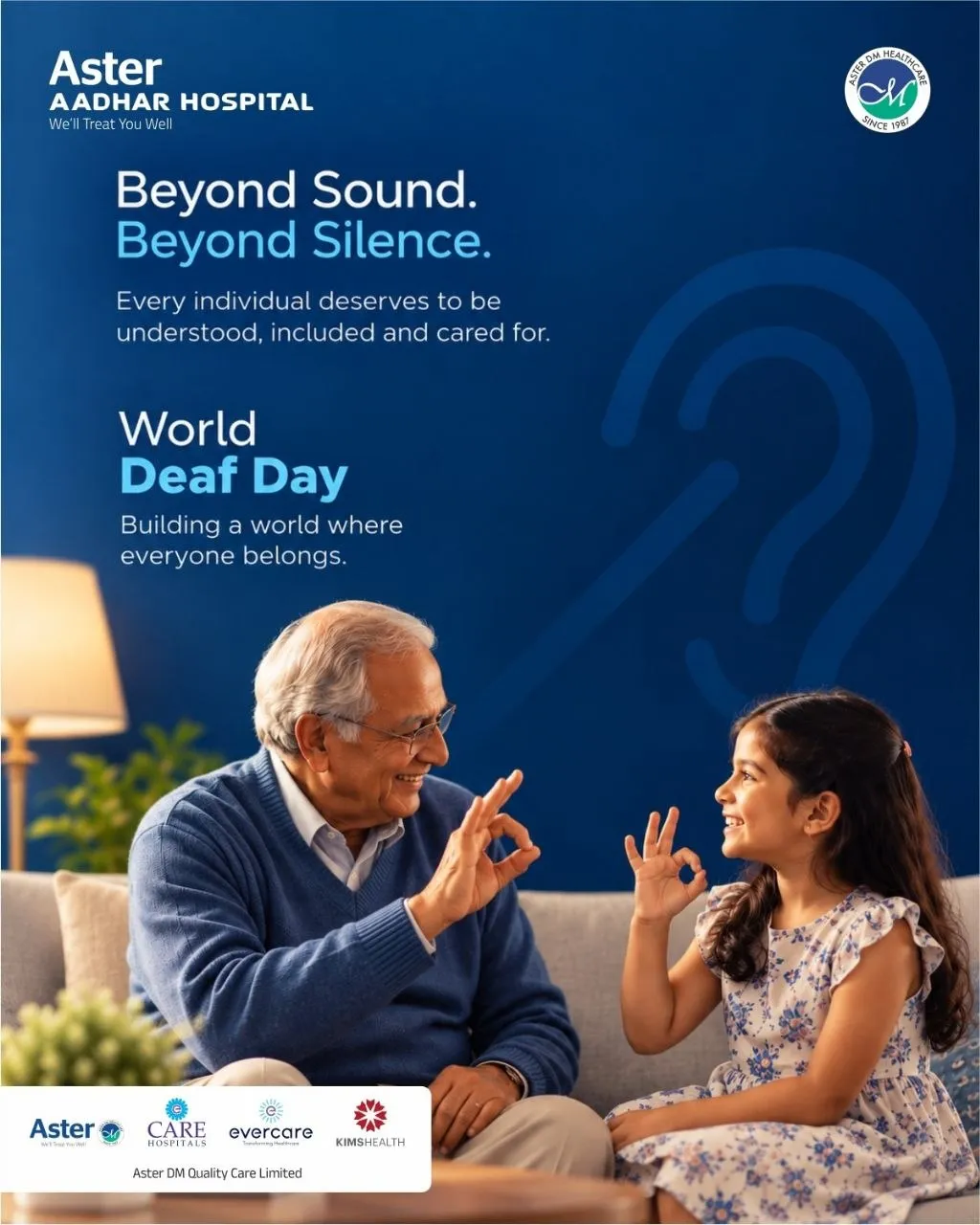
Every year, World Deaf Day is observed to raise awareness about the rights, dignity, and inclusion of deaf individuals across the world. The theme for 2026, "Declaring Deaf People's Human Rights," is a powerful call to recognize, protect, and promote the fundamental rights of deaf people in every aspect of life.
Deaf people are valuable members of society with unique experiences, talents, and contributions. However, many continue to face barriers in education, healthcare, employment, communication, and access to public services. True inclusion can only be achieved when deaf individuals have equal opportunities to participate fully and independently in society.
One of the most important aspects of deaf people's rights is access to sign language. Sign languages are complete and natural languages that enable effective communication, learning, and social participation. Ensuring access to sign language services, interpreters, and deaf-friendly communication systems is essential for protecting human rights and promoting equality.
Healthcare providers also have a crucial role to play. Hospitals and healthcare institutions must strive to make medical services accessible to deaf patients through clear communication, supportive technology, and an inclusive environment. When communication barriers are removed, patients can make informed decisions about their health and receive safer, higher-quality care.
This year's theme also coincides with two significant milestones—the 75th anniversary of the World Federation of the Deaf and 20 years of the United Nations Convention on the Rights of Persons with Disabilities (CRPD), which has strengthened the recognition of sign languages and the rights of deaf communities worldwide.
On World Deaf Day, let us reaffirm our commitment to building a society where deaf individuals are respected, empowered, and included. Human rights belong to everyone, and deaf people's rights are human rights. By promoting awareness, accessibility, and equal opportunities, we can create a future where every individual has the opportunity to communicate, learn, work, and thrive with dignity.
It is also important to recognize that not all deafness or hearing loss is permanent or irreversible. Some people with moderate hearing loss have surgically correctable conditions involving the ear. Problems such as otosclerosis, damage or interruption of the tiny ossicles of the middle ear, a perforated eardrum, or certain chronic middle-ear diseases may be treated surgically. In appropriately selected patients, procedures such as stapes surgery, ossicular reconstruction, or tympanoplasty can significantly improve hearing, and some patients may achieve serviceable hearing after surgery. Early diagnosis by an ENT specialist and appropriate hearing assessment are therefore essential, because a potentially treatable hearing loss should not be assumed to be permanent.
Let us work together to declare, defend, and uphold the human rights of deaf people—today and every day.