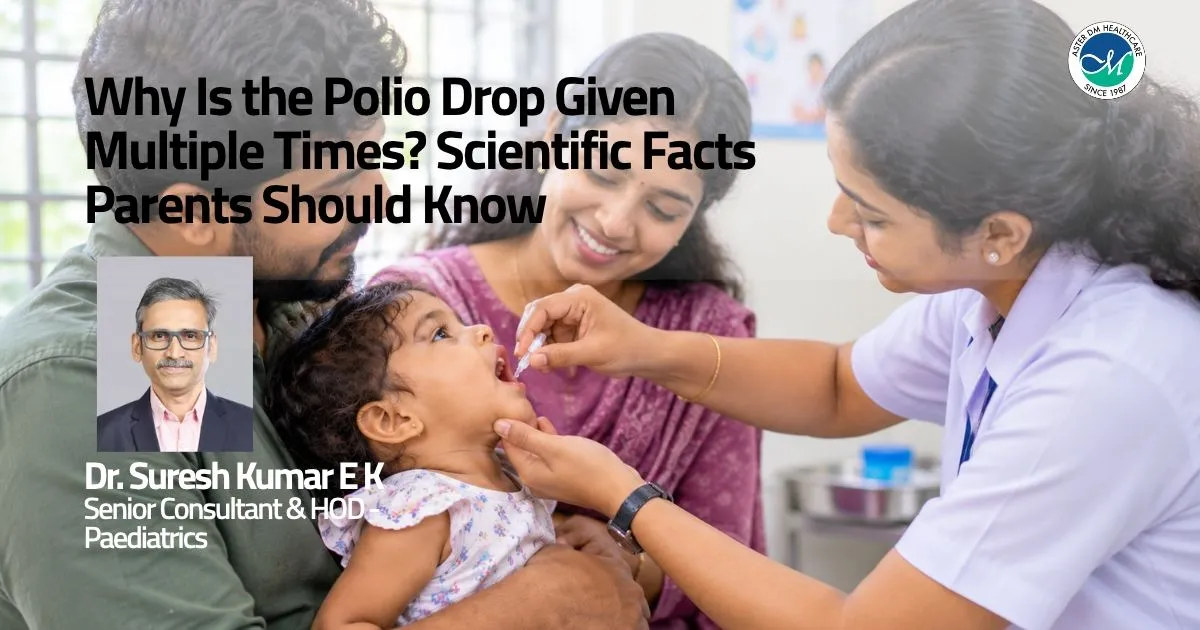

Poliomyelitis (polio) is a disease capable of pushing children into permanent physical disability and even death. The country has successfully held it back through vaccination. Although the World Health Organization declared India polio-free in 2014, it is essential to keep following the mandatory vaccination schedules accurately to sustain this achievement permanently.
Yet many parents ask: "Even though India is polio-free, why are children who have already been vaccinated once given multiple doses again at different stages?" The scientific reality behind this is that the body cannot achieve complete immunity against the polio virus from a single dose. Every parent needs to know exactly why multiple doses are necessary to fully defeat the disease and to ensure the virus never returns in the future.
Different Polio Vaccines
To understand the science behind polio vaccination, it helps to know about the two main types of vaccines used:
Oral drops (Oral Polio Vaccine): This vaccine, given by mouth as drops, contains weakened viruses that are unable to cause disease. It enters the baby's digestive system and builds immunity.
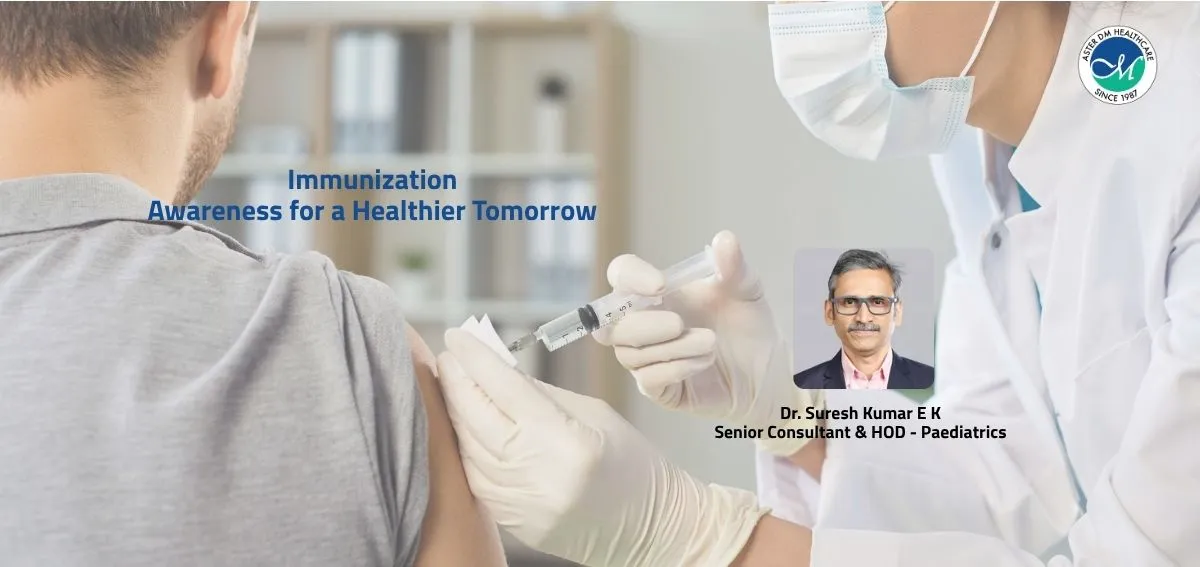
Injectable vaccine (Inactivated Polio Vaccine): This vaccine, given as an injection, contains inactivated viruses. It helps produce immune cells (IgG antibodies) directly in the blood.
Why Are Multiple Doses Essential?
If the polio vaccine is given only once, the baby will not get full immunity. There are mainly five scientific reasons why multiple doses are needed:
1. The first dose is only the beginning of immunity: When a baby receives the polio vaccine, the first dose only enables the immune system to recognize the virus. Only when more than one dose is given will long-lasting antibodies and immune memory cells (memory B and T cells) be formed in the body.
2. Influence of antibodies received from the mother (maternal antibodies): Antibodies passed from the mother to the baby during pregnancy remain in the baby's body for the first few months. When the first polio dose is given, these maternal antibodies may neutralize the virus particles in the vaccine, so the baby may not get the vaccine's full effect. Only through successive doses can this barrier be overcome and the baby develop full immunity of their own.
3. Presence of other viruses in the digestive system: In our region's climate and environment, children's digestive systems can naturally harbor various enteroviruses. If other viruses are present in the gut when the oral drops are given, the vaccine virus may not be able to create immunity properly. Giving the drops multiple times therefore improves the chance that the vaccine works fully at each stage.
4. Protection of the individual and the community: The oral polio drops create strong mucosal immunity on the surface of the intestine. This not only prevents the baby from falling ill, but even if the virus enters the baby's body from other sources, it stops the virus from spreading to others. This creates a strong protective shield in society.
Immunization Schedule and Pulse Polio
According to the National Immunization Schedule, polio vaccine should be given to babies at fixed intervals:
1. At birth (birth dose): OPV zero dose
2. 6 weeks (1.5 months): OPV 1st dose, fractional IPV 1st dose
3. 10 weeks (2.5 months): OPV 2nd dose
4. 14 weeks (3.5 months): OPV 3rd dose, fractional IPV 2nd dose
5. 16-24 months (1.5 years): OPV booster dose
In addition to routine immunization, drops are given to all children under 5 years of age during the Pulse Polio campaigns organized by the government. It is perfectly safe to give drops again on Pulse Polio days to a child who has previously taken all doses correctly. This completely prevents the polio virus from returning to the community.
Things Parents Should Keep in Mind
Give the polio doses on the dates specified in the vaccination card.
Don't skip Pulse Polio: Even if your child has taken earlier doses, don't forget to give the drops on Pulse Polio days.
If the baby has a mild fever or cold, the vaccine usually does not need to be postponed. However, if there are severe illnesses or other health problems, seek advice from a pediatrician.
Accurate polio vaccination is essential to ensure a healthy future for our children and for generations to come.
Featured Blogs

One Aster
Personalized Medical Assistant for all your healthcare needs.
Book instant appointment, pay securely, eConsult with our doctors and save all your health records at one place are some of the benefits of OneAster App. It is everything you need, to manage your family Health.



* Registration available only for valid Indian mobile number