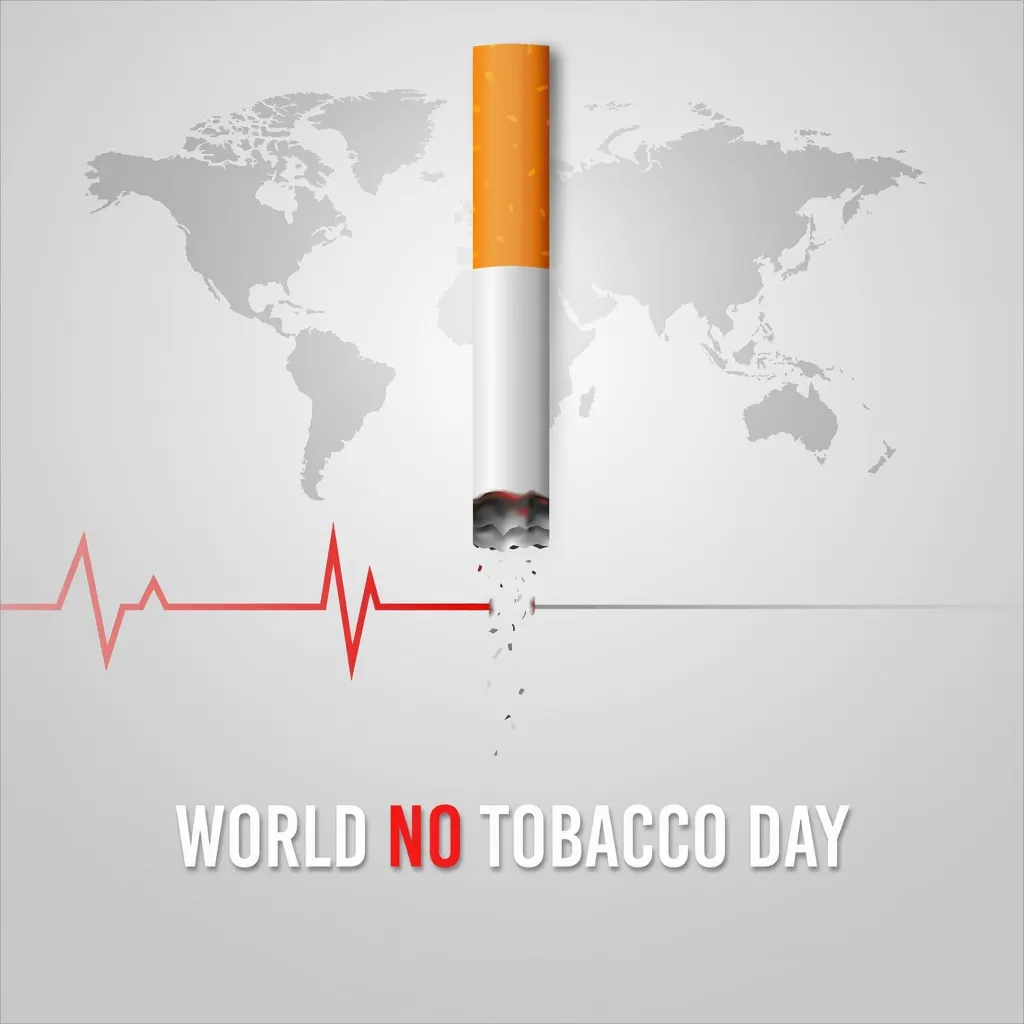

World No Tobacco Day 2026 theme: “Unmasking the appeal – countering nicotine and tobacco addiction.” The World Health Organization highlights how tobacco and nicotine products, including e-cigarettes and synthetic nicotine devices, are increasingly marketed toward younger populations. Globally, at least 15 million adolescents aged 13–15 years use e-cigarettes, and in several countries children are significantly more likely than adults to vape.
Tobacco and cancer: a preventable epidemic
Tobacco remains one of the leading preventable causes of cancer worldwide. In India, tobacco use contributes to nearly 1.35 million deaths annually, including cancers, heart disease, stroke and chronic lung disease. Tobacco-related cancers continue to place a major burden on the healthcare system, particularly in head and neck oncology.
Among Indian men, cancers of the oral cavity, tongue, throat and larynx remain some of the most commonly diagnosed malignancies. Unlike many cancers that may develop silently, head and neck cancers are often linked to identifiable lifestyle risk factors—making prevention and early detection extremely important.
Head and neck cancer in India: the tobacco connection
India carries one of the world’s highest burdens of oral and head-and-neck cancers. Scientific studies from South India have shown a strong association between tobacco exposure and oral cancer development.
In one large hospital-based case-control study involving 300 oral cancer patients and 300 controls, nearly 74% of participants had tobacco exposure. Tobacco chewing was significantly higher among cancer patients compared to controls, and the risk further increased in individuals using both smoking and chewing forms of tobacco. The study also demonstrated an even stronger association when tobacco use was combined with alcohol consumption.
This reflects an important reality seen across oncology clinics in India:
- Gutkha
- Pan with tobacco
- Khaini
- Beedi smoking
- Cigarettes
- Smokeless tobacco products
all substantially increase the risk of cancers involving the mouth, tongue, throat and voice box.
Alcohol + tobacco: a dangerous combination
Alcohol itself can irritate the lining of the mouth and throat. When combined with tobacco, it enhances the penetration of carcinogens into tissues and amplifies DNA damage.
Research has consistently shown that the combined effect of alcohol and tobacco is far greater than either exposure alone. In other words, the cancer risk is not merely additive—it becomes multiplicative.
This is particularly important in younger adults who may socially consume alcohol while also smoking or vaping intermittently, assuming “occasional use” is harmless.
Vaping and e-cigarettes: myths versus reality
A growing concern globally is the increasing popularity of:
- E-cigarettes
- Vape pens
- Nicotine pods
- Disposable vaping devices
These products are often marketed as “safer alternatives” to smoking. However, evidence increasingly shows that vaping is not risk-free.
According to the WHO:
- E-cigarette aerosols contain nicotine and multiple toxic chemicals
- Nicotine exposure affects brain development in adolescents and young adults
- Young e-cigarette users are more likely to transition to conventional cigarette smoking later
- While long-term cancer outcome data for vaping are still evolving, oncologists remain concerned because these products expose airway tissues to inflammatory chemicals, oxidative stress and addictive nicotine pathways.
- The absence of smoke does not mean the absence of harm.
Symptoms that should never be ignored
Early diagnosis dramatically improves outcomes in head and neck cancers. Seek medical evaluation if symptoms persist for more than 2–3 weeks:
- Non-healing mouth ulcer
- White or red patches inside the mouth
- Difficulty swallowing
- Persistent hoarseness
- Neck swelling
- Unexplained bleeding from mouth
- Reduced mouth opening
- Persistent throat pain
- Loose tooth without dental explanation
Prevention: the most effective cancer treatment
The good news is that many tobacco-related cancers are preventable.
Key preventive steps:
- Stop all forms of tobacco
- Avoid passive smoke exposure
- Limit alcohol consumption
- Avoid vaping and e-cigarettes
- Maintain regular oral hygiene
- Undergo periodic oral examinations, especially in tobacco users
- Seek medical attention early for suspicious symptoms
Even after years of tobacco exposure, quitting significantly reduces future cancer risk and improves overall health outcomes.
A message from Aster Hospital
On this World No Tobacco Day, the focus should move beyond awareness alone toward action.
Tobacco addiction today is evolving—from cigarettes and smokeless tobacco to vaping and nicotine devices—but the long-term health consequences remain real.
Early prevention, timely screening and prompt specialist consultation can save lives.
If you or a loved one uses tobacco in any form, this is the right time to take the first step toward quitting and prioritizing long-term health.