
World AIDS Day 2025: "Overcoming Disruption, Transforming the AIDS Response"
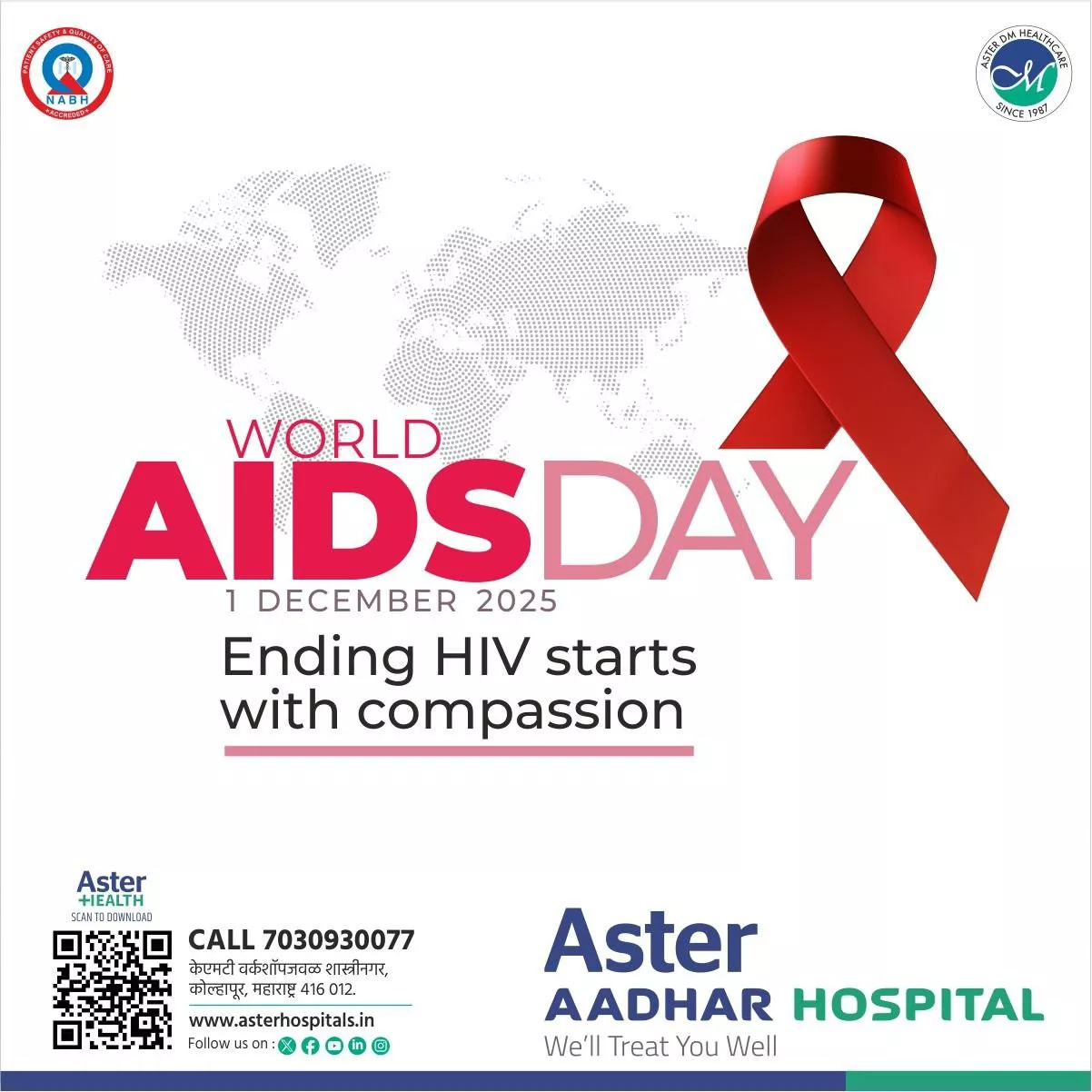
Every year, December 1st marks World AIDS Day, a day dedicated to raising awareness about HIV/AIDS, supporting those living with the virus, and remembering the lives lost to this disease. For 2025, the theme of World AIDS Day is "Overcoming Disruption, Transforming the AIDS Response"—a theme that highlights both the challenges and the transformative progress we can make in the fight against HIV/AIDS.
What Does This Theme Mean?
The theme "Overcoming Disruption" acknowledges the disruptions that have impacted the global response to HIV/AIDS, especially in recent years. The COVID-19 pandemic, conflicts, economic hardships, and other crises have interrupted HIV treatment programs, testing services, and education efforts around the world. These disruptions have made it harder for people to access the care and support they need.
However, the theme also speaks to hope and resilience. "Transforming the AIDS Response" encourages a forward-thinking approach—finding innovative ways to overcome these challenges, improve access to services, and ultimately end the AIDS epidemic. It calls for a renewed commitment to tackling the structural and social factors that fuel the spread of HIV, such as stigma, discrimination, and inequalities in healthcare access.
Why is World AIDS Day Important?
World AIDS Day is a day for the world to come together and reflect on the global impact of HIV/AIDS. It’s a time to:
- Raise awareness: While there have been tremendous strides in treating and preventing HIV, the virus still affects millions of people globally. The day reminds us that HIV/AIDS is still a significant health issue and must continue to be addressed.
- Show support: It’s an opportunity for communities to show solidarity with people living with HIV and those affected by the epidemic.
- Advocate for change: World AIDS Day is also about advocating for policies and practices that can help reduce the impact of HIV, from better access to treatment and healthcare to combating social stigma.
How Has the AIDS Response Transformed?
The response to HIV/AIDS has evolved significantly over the last few decades. Thanks to research and activism, treatments have improved dramatically, and the global community is closer than ever to achieving a world without AIDS. Here are a few key areas where transformation is happening:
- Access to Antiretroviral Therapy (ART): In 2025, more people than ever before have access to life-saving ART, which helps people with HIV live long, healthy lives. ART has revolutionized the treatment of HIV, turning it from a fatal diagnosis into a manageable condition.
- Prevention Efforts: We now have Pre-Exposure Prophylaxis (PrEP), a medication that significantly reduces the risk of acquiring HIV. This has been a game-changer for high-risk populations, including men who have sex with men, sex workers, and people in regions with high HIV prevalence.
- Education and Awareness: Public education about HIV transmission and prevention has led to greater understanding and less stigma surrounding the virus. More people are learning that HIV is not a "death sentence" but a manageable condition.
- Ending Stigma and Discrimination: Efforts to reduce stigma and discrimination have been central to transforming the AIDS response. People living with HIV are more empowered to seek care, share their stories, and advocate for themselves. This cultural shift has been critical to improving health outcomes.
- Global Solidarity: The global AIDS response is now a collective effort that involves governments, nonprofits, healthcare providers, and affected communities. From international fundraising campaigns to grassroots activism, the commitment to ending AIDS is stronger than ever.
What Challenges Remain?
Despite these advances, there are still significant challenges that must be overcome:
- Inequality in Access: In many parts of the world, especially in low- and middle-income countries, access to HIV prevention, testing, and treatment is still limited. Key populations, such as LGBTQ+ individuals, people who inject drugs, and sex workers, often face additional barriers to care.
- Stigma and Discrimination: While stigma has decreased in many parts of the world, it remains a significant issue in some communities. People living with HIV may experience discrimination in healthcare, the workplace, and even within their families, which can discourage them from seeking care or disclosing their status.
- Pandemic Disruptions: The COVID-19 pandemic has disrupted HIV services in many regions, affecting testing, treatment continuity, and awareness campaigns. This year’s theme encourages us to reflect on these setbacks and find ways to rebuild stronger systems to respond to HIV.
How Can You Get Involved?
There are many ways you can make a difference this World AIDS Day:
- Educate Yourself and Others: Take the time to learn more about HIV/AIDS and share that knowledge with your family, friends, and community. Understanding how HIV is transmitted and how to prevent it can save lives.
- Support Organizations: Consider donating to HIV/AIDS-related charities or organizations. Many of these groups are doing important work in treatment, education, and advocacy.
- Volunteer: If you can, volunteer your time to support those living with HIV, whether it’s through local health organizations, advocacy groups, or community centers.
- Challenge Stigma: If you encounter stigmatizing attitudes or language about HIV, challenge them. Reducing stigma can make a huge difference in encouraging people to seek testing and treatment.
- Get Tested: HIV testing is the first step in managing your health. If you are sexually active, regular testing is important. Knowing your status can help you take preventive measures if necessary.
Moving Forward: A Future without AIDS
The theme of "Overcoming Disruption, Transforming the AIDS Response" is a reminder that while the fight against HIV/AIDS is far from over, the progress we’ve made so far offers hope. With continued global effort, innovation, and compassion, we can end the AIDS epidemic and create a world where everyone, regardless of their HIV status, has access to the care and support they need to live a healthy life.
Let’s unite this World AIDS Day to reflect on how far we’ve come, but also to renew our commitment to overcoming the challenges that remain. Together, we can make the world a safer, healthier place for people living with HIV—and for future generations.