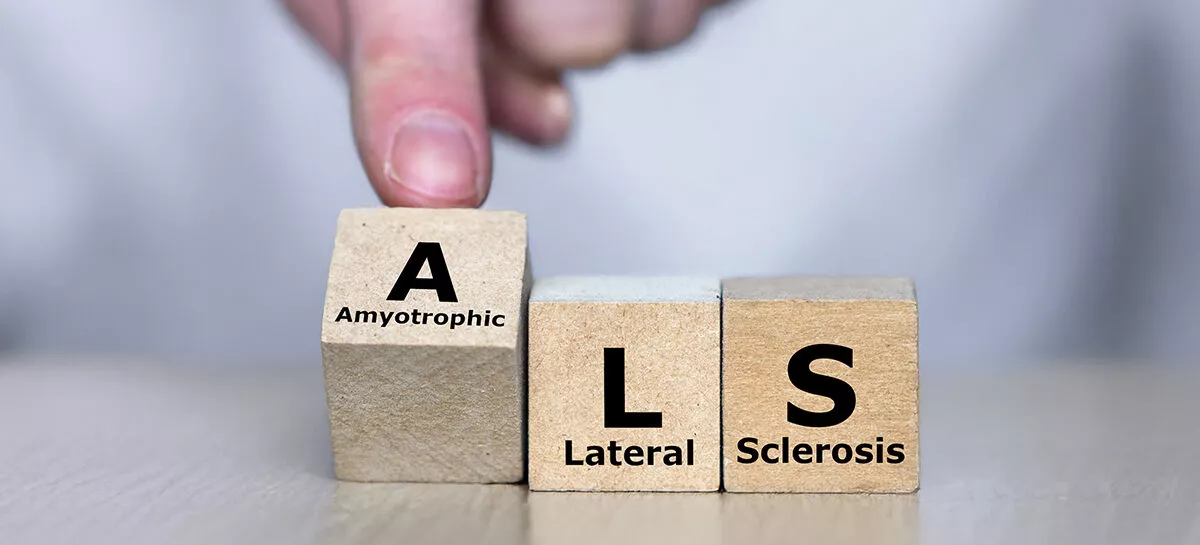

Some diseases appear quietly and spread slowly. ALS is one of them. Also known as Amyotrophic Lateral Sclerosis, it affects the body in stages. At first, there may be no clear warning. Over time, movement becomes harder, speech changes, and the body starts to lose control over its own muscles.
Knowing what is ALS disease helps both patients and families feel more prepared. When you understand how it unfolds, you do not feel as lost. This blog breaks down how ALS progresses, step by step, with clarity and care.
What Is ALS and How Does It Start
ALS is a disorder that damages motor neurons. These are the nerve cells that send signals to your muscles. When those signals are interrupted, the muscles begin to weaken. That includes the muscles in your arms and legs, but also the ones that help you speak, chew, and breathe.
The causes are not fully understood. Some people inherit it through gene mutations. In other cases, the reason is unclear. Research continues to explore different Amyotrophic Lateral Sclerosis causes including chemical imbalance, immune response issues, and age-related cell changes. It affects people differently. Some live with it for many years. Others progress more quickly. But most people follow a pattern. This pattern is often described through the 7 stages of ALS.
Stage 1: Subtle Weakness Begins in One Area
This stage often goes unnoticed. A hand feels clumsy. A foot starts dragging. Maybe you feel slower during basic tasks like buttoning a shirt or holding a pen. These changes are localised. They affect just one part of the body. Life continues as usual, but something small feels different. Many people ignore these signs. They may think it is fatigue or age catching up. But this is when the motor neurons have begun to lose function.
Stage 2: Symptoms Appear in a Second Region
The weakness spreads. Now both legs or both arms may feel affected. A person who first noticed issues in one leg may start to feel the same on the other side. This is when tasks like climbing stairs or lifting objects become more difficult. Even though independence is still possible, it takes more time and effort. People begin adapting their routine without realising they are doing it.
Stage 3: Mobility and Coordination Decline Further
By this stage, the person may have trouble walking or balancing. Muscles start to shrink. Fatigue increases. You may need support to move around safely. Grip strength reduces. Speech may feel slower or harder to control. The voice might sound more nasal or strained.
This is also when daily life starts to shift. Family members begin to notice that small things take longer. Conversations might feel slightly off. There is more physical effort involved in the same activities.
Stage 4: Mobility Aids Become Necessary
By now, walking unaided may no longer be safe. A cane or walker often becomes essential. In many cases, people begin using wheelchairs. Falls are more likely. Bathing, dressing and eating may require support.
The body is slowing down, but the mind remains clear. This is one of the most difficult parts for people with ALS. They are fully aware of what is happening and must make decisions about care, comfort and future plans.
Stage 5: Full Dependence on Caregivers
This stage involves significant muscle loss. Arms and legs are very weak. Some people cannot hold up their head. Speech may become difficult to understand. Handwriting becomes impossible. Even turning in bed may require help.
Breathing becomes shallow. It may feel hard to take a full breath. A breathing device might be introduced to support lung function. Communication tools such as letter boards or eye-tracking devices become essential.
Stage 6: Bedridden with Limited Communication
At this point the person concerned is usually confined to bed. Movement is very much restricted. Swallowing becomes difficult. Nutritional requirements can be met using feeding tubes. Conversations may take place using eye movement or with the help of specialised speech technology. Your emotional understanding is still good [even though physical ability has decreased]. This stage demands full-time care and attention from caregivers, family and medical professionals.
Stage 7: The Final Stage Focuses on Comfort and Dignity
During the final stage, breathing muscles become too weak. The body can no longer maintain proper oxygen levels. A ventilator may be used. Palliative care becomes the main focus. Comfort is everything here. Families work closely with care teams to reduce discomfort, support breathing, and create a peaceful environment. The goal is not to fight the disease, but to give the person calm, dignity and relief.
Why Knowing the Stages Matters
Many people ask whether it is helpful to know all this in advance. The answer depends on how you view planning. When you know what is coming, you can make decisions early. You can prepare your home. You can explore therapies that may help slow progression. You can connect with experienced neurologists in India who understand this journey well.
Knowing the stages also helps families. It sets expectations! It creates space for conversations! And it ensures that the person living with ALS always has a voice in their own care! The stages are not exact rules. Some people may move slowly. Others move fast. But the general path helps everyone stay informed and prepared.
Final Thought
ALS is a hard journey, but it does not have to be one of confusion. If you or someone you know is living with ALS, do not wait for symptoms to worsen before seeking help. The earlier you engage with a trusted neurology hospital in India, the more control you can maintain over the choices ahead. Every moment matters. And every decision begins with understanding.