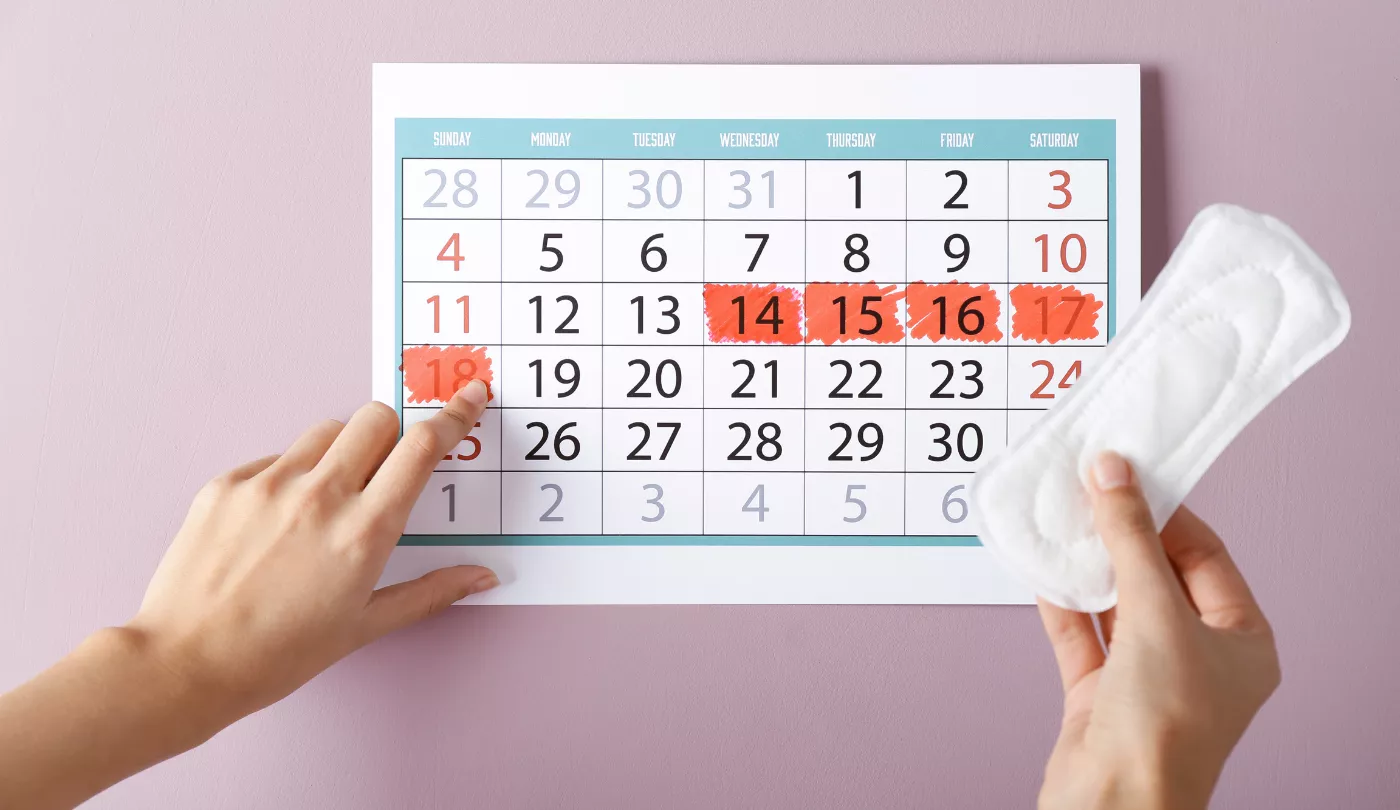

A delayed period can leave you unsettled! The uncertainty builds [especially when your cycle has always been predictable]. You might start scanning your calendar, recalling food habits or emotional stressors. In many cases, it is not a serious concern. However, when delays repeat or stretch too long, it may be your body’s way of asking for support.
The Reason Why Periods Get Delayed
Menstrual cycles rely on a sequence of hormonal signals! These signals originate in the brain, travel through the bloodstream, and direct the ovaries and uterus. When this system is disturbed, the usual rhythm can pause. Your period may then arrive late or not at all.
Stress, illness, weight shifts, and other factors can influence these hormonal cues. The reasons may vary from mild lifestyle changes to more complex conditions. Knowing why periods get delayed can guide you toward better care and fewer surprises.
Possible Reasons for Delayed Periods
Not all delays are serious. Still, it helps to understand the triggers that may be affecting your cycle.
- Emotional stress can disrupt your brain’s ability to send signals to the ovaries. This is common among students, working professionals and new mothers.
- Sudden weight changes, whether gain or loss, affect your hormone levels. This may stop ovulation for a few weeks.
- Polycystic ovary syndrome (PCOS) interferes with the release of eggs. This leads to irregular or missed periods.
- Thyroid dysfunction alters metabolism and affects the hormones responsible for menstruation.
- Excessive exercise without adequate rest can confuse your body’s sense of energy availability. This may delay reproductive functions.
If these delays occur often, or if your cycle has shifted significantly over time, you may consider seeking advice at a reputed gynaecology hospital in India. Medical tests can help identify any hidden concerns early.
Natural Methods That May Support Period Regularity
Natural solutions aim to support the body, not override it. If your doctor has ruled out serious concerns, the following methods may help your cycle return to its rhythm.
Improve Your Daily Sleep
Hormones follow the body’s internal clock. Disrupted or irregular sleep may delay ovulation. Try going to bed and waking up at the same time each day. Darkness triggers melatonin, which supports hormonal balance.
Practice Light Movement Instead of Intense Workouts
Exercise is helpful, but too much can delay your period. If you are training hard or dieting at the same time, your cycle may pause. Gentle activities like walking or yoga can reduce stress and support hormone health.
Make Sure You Are Eating Enough Nutrients
Your body needs energy to ovulate. Low-calorie diets can reduce oestrogen and delay periods. Eat whole meals with enough iron, magnesium and protein. Leafy greens, lentils, nuts and seeds support your reproductive system.
Reduce Emotional Stress With Simple Daily Habits
Even minor stress, if persistent, can interfere with your cycle. Make time for relaxing routines. These could include evening walks, reading, stretching or spending time with family. The body responds well to small, regular calming signals.
Do Not Use Hormonal Pills Without Guidance
It is tempting to take a period-delay pill. But if you self-medicate without medical advice, the imbalance may worsen. Let your body adjust for a few days. If your period still does not arrive, speak to a doctor.
Stay Hydrated and Avoid Excessive Caffeine
Water helps maintain circulation and temperature balance, both of which are important for hormone production. Excessive caffeine consumption may trigger anxiety and disrupt sleep. This is precisely what effective hydration aims to resolve in the long run.
Track Your Cycle and Symptoms Regularly
Be sure to mark your calendar to monitor your period dates, duration and how your body feels. Over time, you will be able to notice patterns! These insights assist top gynaecologists in India in understanding your cycle better and offer targeted support when needed.
When Should You Consult a Specialist
If your period is delayed by more than two weeks and pregnancy is not a possibility, it is time to check in with your doctor. You should also act if your periods have stopped altogether or if they are consistently irregular without a clear reason. Your body often sends early signals. Ignoring these can allow conditions like PCOS or thyroid dysfunction to grow unnoticed. Early checks and steady care make a difference.
Final Thought
A delayed period is not always a warning sign. Conventionally, it is an indicator and a reflection of small changes in your routine, stress levels or energy balance. Making minor lifestyle choices like better sleep, balanced meals and emotional regulation can gently guide your body back into rhythm. Therefore, it is essential to listen to your body. Support it with care. That is often the most effective path to regularity.