
Cervical cancer is the second most common cancers affecting women in India. It is one of the most preventable cancers, yet it remains a leading cause of cancer-related illness and death among women.
Lack of awareness, limited screening, and delayed care are major reasons why this disease is still diagnosed at advanced stages. By understanding what cervical cancer is, what causes it, who it affects, and how it can be prevented, we can take simple steps that can save lives.
What Is Cervical Cancer and what causes it?
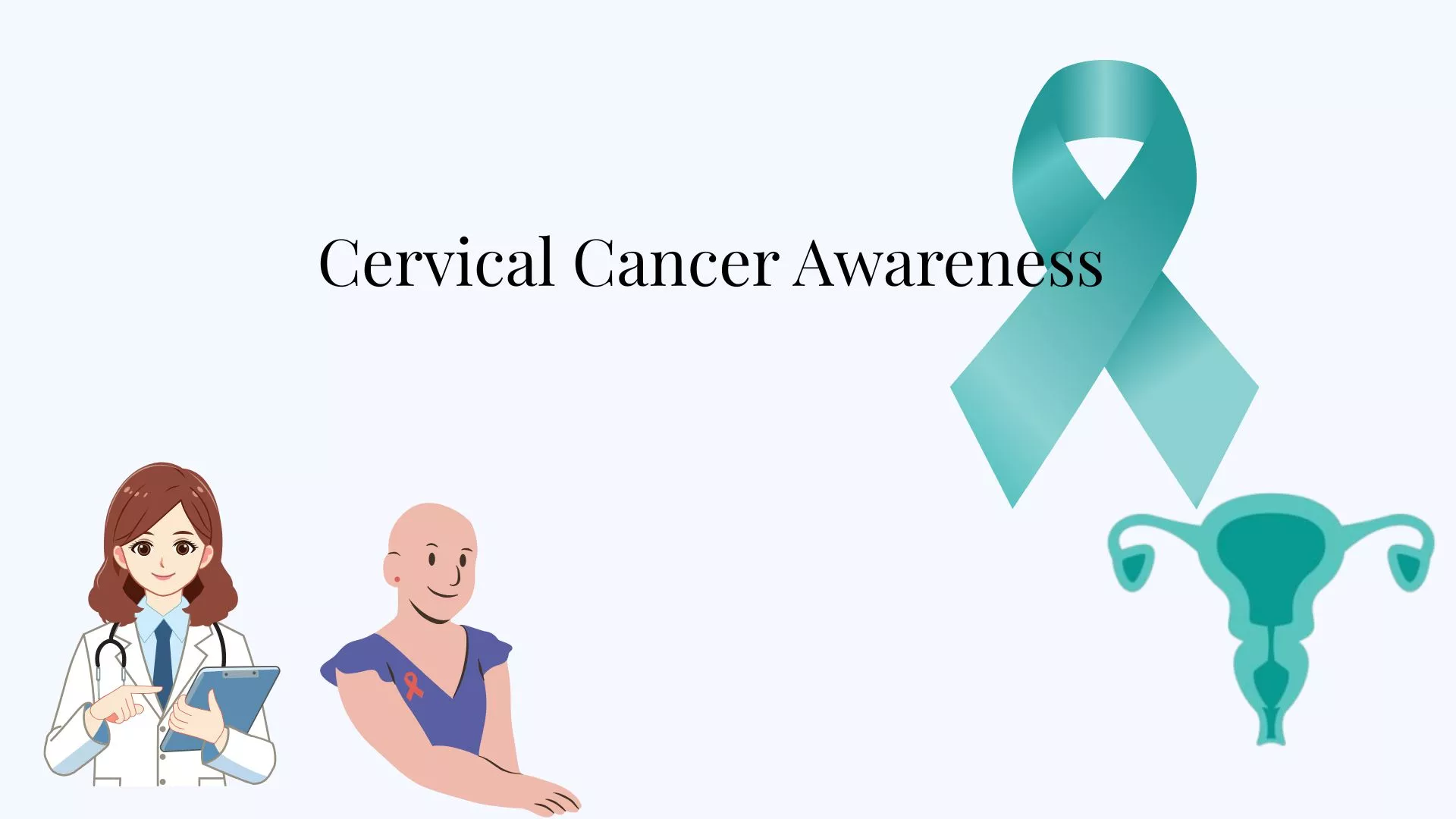
Cervical cancer is a cancer that starts in the cervix. Cervix is the lower part of the uterus which protrudes into the vagina.
The main cause of cervical cancer is a long-term infection with the human papillomavirus (HPV). HPV is a very common virus that usually spreads through sexual intercourse. Most women will be infected with HPV at some point in their lives, and in many cases, the body clears the virus on its own. However, if certain high-risk types of HPV stay in the body for many years, they can cause changes in cervical cells that can eventually lead to pre-cancer, and if left untreated, to cancer. This transformation typically takes 10-12 years, providing an ample window for screening and treating early.
Other factors that increase the risk include early onset of sexual activity, smoking, a weak immune system, poor hygiene, and not going for regular cervical screening tests.
Who Does Cervical Cancer Affect?
Cervical cancer mainly affects women, usually between the ages of 30 and 50. However, younger and older women can also develop it.
What Are the Symptoms?
In the early stages, cervical cancer often does not cause any symptoms. This is why regular screening is so important. As the disease progresses, symptoms may include unusual vaginal bleeding (such as bleeding between periods, after sexual intercourse, or after menopause), unusual blood stained vaginal discharge, and pain in the lower abdomen or back.
In advanced stages, difficulty passing urine, blood in urine or stools, weight loss, fatigue and severe backpain are common.
How Can Cervical Cancer Be Prevented?
The good news is that cervical cancer is largely preventable. There are two key ways to prevent it:
1. HPV vaccination: The HPV vaccine protects against the most common high-risk types of HPV that cause cervical cancer. It is most effective when given before a person becomes sexually active. The ideal age for vaccination is 9-25 years, but can be given upto 45 years of age.
2. Regular screening: Tests such as the Pap smear can detect abnormal cervical cells early, even before they turn into cancer. Effective HPV tests detect the presence of high risk HPV types that predispose to cancer. Regular screening, starting as early as 25 years, allows doctors to treat these changes early and prevent cancer from developing.
Other preventive steps include practising safe sex, avoiding smoking, and maintaining a healthy immune system.
What Is the Treatment?
Treatment for cervical cancer depends on how early it is diagnosed. In very early stages, treatment may involve removing the uterus, a procedure called radical hysterectomy. At this stage, it may even be possible to remove the cervix alone while preserving the uterus and ovaries, thereby preserving fertility in young women.
If the cancer is more advanced, treatment may include radiation therapy, chemotherapy, or a combination of these. Most recently targeted therapy and immunotherapy have proven invaluable in advanced stage disease. When detected early, cervical cancer has a high chance of successful treatment and long-term survival.
Prevention Is the Best Strategy
Cervical cancer does not have to be a life-threatening disease. With the availability of HPV vaccination and regular screening, most cases can be prevented or caught early. Awareness is the first step. By talking openly about cervical health, encouraging vaccination, and making screening a routine part of healthcare, we can protect ourselves and future generations. Prevention is not just better than cure—it is the most powerful strategy we have against cervical cancer.