
You might believe that drinking milk, with all its calcium and vitamin D, is the one thing you need for strong and healthy bones. And it's a really nice message that sold a lot of milk over the years, but science tells a different story.
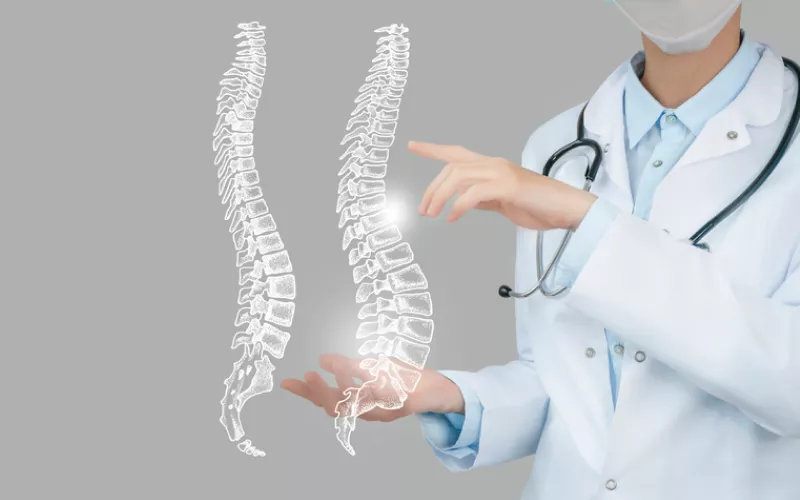
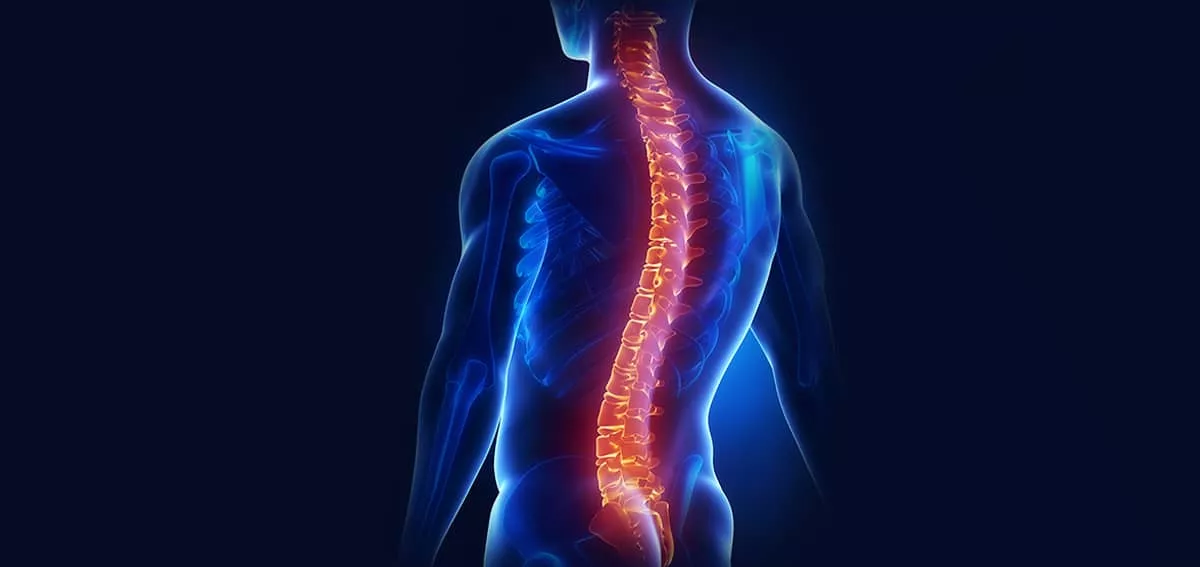
When we focus only on milk, we lose the bigger picture of bone health. So let's start from the basics. Adults have 206 bones that form the main part of the skeletal system.
They're the support structure or cage that protects our organs, but they do so much more. They work with our muscles to move our bodies, they store important minerals, they produce hormones, and they even make our blood.
How Your Bones Actually Work
Most people understand that our bones grow when we're kids and adolescents.
What many people don't know is even after we stop growing, we are constantly removing old bone and replacing it with new.
Throughout your entire life, your body is constantly breaking down old bone and building new bone to replace it. Think of it like renovating a house. You're always removing old parts and putting in fresh materials.
Research shows that about 10% of your bone mass is replaced every year, meaning the entire adult skeleton is effectively renewed every 10 years through a process called bone remodeling.
We reach our peak bone mass in our 30s. This is the strongest our bones will ever be. After we reach our peak bone mass, the balance slowly shifts; while we still continue to rebuild the bones, we lose slightly more bone than we gain each year.
This can eventually affect the integrity of the bone, and it lowers the bone mass, or the amount of bone that we have.
This is called OSTEOPOROSIS, also known as a “silent disease.”
Osteoporosis is a condition that causes bones to become so weak that even small bumps or falls can create fractures.
According to the World Health Organization (WHO), 30% of postmenopausal women suffer from osteoporosis. It has been reported that around six crore people in India have osteoporosis, and 80% of them are women. The peak incidence of osteoporosis in India occurs 10–20 years earlier than in
Western countries.
What Affects Bone Health?
- Poor diet: Low intake of calcium, vitamin D, and protein weakens bones.
- Gender: Women are at higher risk, especially after menopause.
- Advancing age: Bone loss accelerates as we grow older.
- Family history: Genetics play a vital role in bone strength.
- Sedentary lifestyle: Lack of weight-bearing exercise speeds up bone loss.
- Smoking: Damages bone-building cells.
- Tobacco and Alcohol Consumption.
What Aster Orthopedics Recommends for Strong Bones at Every Age
Building and maintaining strong bones isn’t something you focus on in your 50s or after menopause.
Bone health is a lifelong commitment—the earlier you start, the stronger you'll be.
For Children & Teenagers: Build the Foundation
Bones grow the fastest in childhood and adolescence. This is the time to maximize
peak bone mass.
Aster Orthopedics recommends:
- Calcium-rich diet: milk, curd, cheese, ragi, almonds, sesame, leafy greens
- Vitamin D exposure: 15–20 minutes of sunlight daily
- Weight-bearing play: running, jumping, skipping, football
- Avoid excessive junk food: high-salt and carbonated drinks leach calcium
- Screen for vitamin D deficiency if a child frequently complains of leg pain or fatigue
For Adults:
Include adequate calcium and vitamin D in your diet. Bones store calcium, so if intake is low, meaning not enough in our diet, the body draws calcium from the bones. This can also contribute to bone loss, so we need enough dietary calcium to maintain our bones. Vitamin D fits into the picture because it helps our body absorb calcium.
When we think of calcium and vitamin D, many of us picture a frosty glass of milk. Milk is not the only good source of calcium out there. Humans are creative omnivores. We can get calcium from a lot of other source. Yogurt and cheese, for example.
But also look for leafy greens like spinach and kale, cruciferous vegetables like broccoli and cabbage, and proteins like tofu, nuts, beans, eggs, and fish.
Fortified cereals and orange juice are also good. And vitamin D is plentiful in fishes, and sunlight helps the body make vitamin D too. However, some people may need supplements.
Another important factor for bone health is exercise.
Mechanical loading stimulates the cells that build bone, and strengthens muscles. In fact, any activity that puts stress on your bones, like walking, jogging, dancing, racket sports, or even strength training like doing weights, stimulates extra deposits of calcium and growth of new bone.
Quit tobacco, smoking, and alcohol consumption.
Take Charge Of Your Bone Health with Aster CMI Orthopedics
Your bones support you every day. Now is the time to support them back. Book a consultation with Aster Orthopedics today and take first step toward stronger bones, better mobility, and a healthier future.