
Children thrive best when their bodies move freely and their energy is balanced. But in many homes today, routines have changed. Devices have replaced play, snacks are packed with sugar, and movement is often limited to school hours. These shifts have led to an increase in childhood obesity, a condition that affects more than just weight. This blog looks at how it develops, what to watch for, and what you can do to prevent it.
What Is Childhood Obesity
Childhood obesity is not simply about size. It is about how much excess fat the child carries, and whether it interferes with growth, health or self-confidence. It is diagnosed when a child’s weight exceeds the expected range for their age and height, and when other signs confirm an unhealthy fat buildup.
This condition can begin early in life. It often goes unnoticed in the beginning. But over time, the effects become clearer. A child who was once active may avoid play. They may feel tired often or struggle with movement. It is not always about visible size. Sometimes it begins with subtle changes in how the child behaves, eats or rests.
Why It Happens
There is no single answer. Several factors work together and influence the child’s weight over time. These are the most common causes of obesity in children:
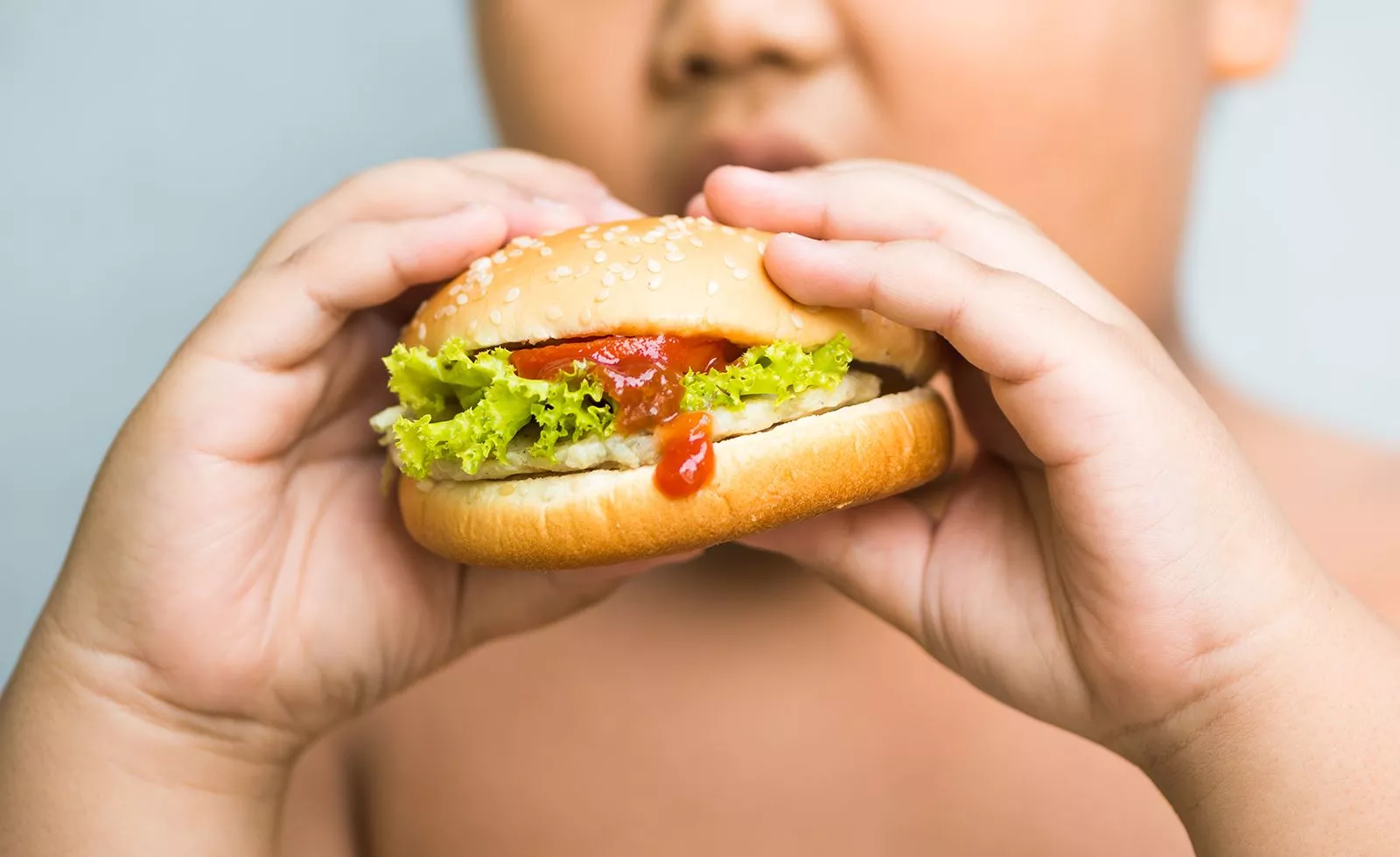
- A steady intake of calorie-dense food. This includes chips, sweets, fried snacks and packaged meals that contain more energy than needed.
- Long hours spent sitting. Children who watch TV or play mobile games for most of the day burn fewer calories.
- Lack of physical play. Movement helps children build strength and maintain a healthy weight. Without it, fat accumulates.
- Irregular sleep. Poor sleep affects hormones that control hunger. A child who sleeps less may eat more and move less.
- Emotional comfort eating. When food becomes a reward or a response to sadness, the child may lose the natural link between hunger and meals.
- Family habits. If parents eat in front of the television or rely on processed food, the child picks up the same habits.
In some cases, genetics or hormone imbalances may also play a part. These situations need expert diagnosis and long-term care. Many families turn to a trusted gastroenterology hospital in India to understand deeper causes.
What You May Notice
Children do not always express discomfort the way adults do. Some simply become less active. Others may begin gaining weight in areas like the abdomen, thighs or face. Signs may also include:
- Breathing issues while sleeping.
- Tiredness after short periods of walking or climbing.
- Avoiding outdoor play or sports.
- Changes in posture or joint pain.
- Darkened skin in areas like the neck folds or underarms.
But emotional signs matter too. A child who starts avoiding social situations, withdraws from friends or appears shy about their body may be showing early signs of distress linked to weight.
Health Complications to Watch For
Obesity affects more than physical appearance. It can lead to long-term medical problems. Some of these begin during childhood itself. Others appear during teenage years or early adulthood. These may include:
- Fatty liver and digestive issues.
- Early symptoms of type 2 diabetes.
- High blood pressure or high cholesterol.
- Poor sleep quality due to breathing trouble.
- Weak joints or back pain.
Emotional health also suffers. Children may feel judged. They may internalise comments and begin to lose self-esteem. That is why many parents now consult with gastroenterologists in India early, even before serious symptoms develop.
How to Prevent It
The most powerful change often begins at home. You do not need strict diets or extreme exercise routines. What matters is rhythm, support and steady habits. Here are simple but proven approaches:
- Cook more meals at home. Use whole ingredients. Keep food colours natural and portions sensible.
- Make play a part of every day. Encourage your child to walk, cycle or move freely for one hour. It does not have to be a sport.
- Keep screens out of meal areas. Let food be about taste and talk, not distraction.
- Set regular sleep and wake times. Poor sleep affects weight more than many realise.
- Avoid using food as a reward. Instead, celebrate with time, praise or activities the child enjoys.
Try to make changes as a family. When adults eat well and stay active, children do the same without being told.
Final Thought
Childhood obesity is not just a phase. It is a sign that something in the daily routine needs attention. But it is also reversible. With early care, most children can return to a path of healthy growth.
Prevention is not about pressure. It is about consistency. It is about choosing the home-cooked meal over the quick snack. It is about walking together instead of driving short distances. And it is about noticing changes early, not waiting for them to become health problems. If you have concerns about your child’s weight or energy levels, do not guess. Seek medical support when needed. A few small steps today can lead to a strong, confident tomorrow.