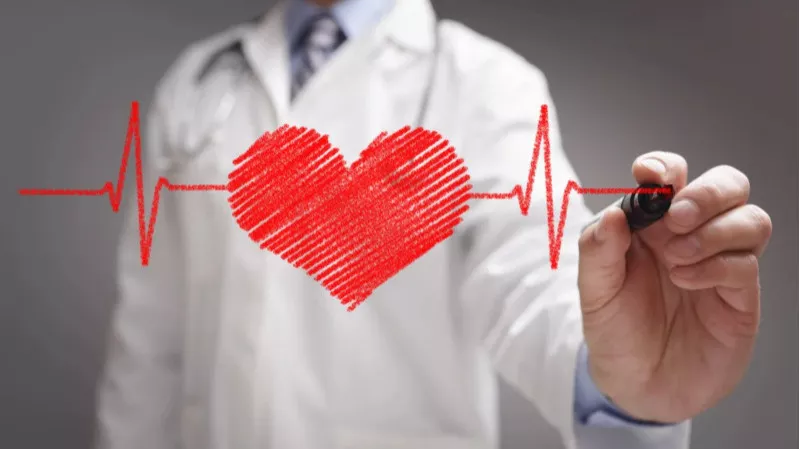

The heart works without rest. It pumps blood, supports circulation and keeps the body alive with every beat. However, many of our daily routines, though familiar and comfortable, can slowly harm the heart over time. These habits do not always show clear warning signs. Some feel harmless. Others are even considered normal.
This detailed post aims to explore the lesser-known patterns that might be quietly damaging your heart. Understanding them now can help you make changes that protect your long-term health.
Skipping Breakfast Too Often
Breakfast sets the rhythm for your metabolism. When you skip it, your blood sugar may drop in the morning and rise too sharply later in the day. That creates stress for the body. People who regularly miss breakfast may feel tired, crave unhealthy snacks or overeat at lunch.
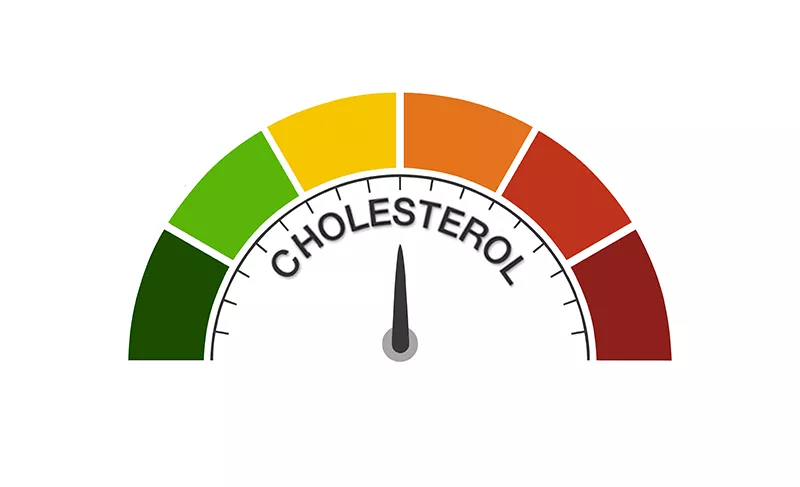
Over time, this pattern is linked to high cholesterol, excess weight and insulin resistance. All of these increase your risk of heart disease. A simple breakfast that includes whole grains, fruit and protein can help stabilise energy levels and support steady blood flow.
Consuming Too Much Salt Without Noticing
Salt is found in more than just table seasoning. It hides in sauces, snacks, instant noodles and ready-to-eat meals. Most people consume far more sodium than they realise. This habit gradually raises blood pressure and stiffens blood vessels.
When the heart works against that pressure, it experiences more strain. That strain, if left unchecked, can lead to long-term damage. Use herbs and spices to flavour your meals. Check food labels when possible. Small changes in your kitchen can make a big difference in your arteries.
Long Hours of Sitting Still
You might not realise how much time you spend seated each day. Work, television, meals and transport all involve sitting. But when your body stays still for too long, your blood flow slows down. Fat metabolism weakens. Sugar stays longer in your blood.
This mix leads to weight gain, reduced circulation and lower HDL cholesterol. Your heart depends on movement to stay in shape. Walk between tasks. Stand during calls. Build activity into your routine so your heart stays active too.
Not Managing Daily Stress Properly
Stress is not always loud. It does not always feel urgent. Sometimes, it hides in deadlines, traffic, screen fatigue or skipped meals. But your body responds every time. Stress hormones like cortisol increase blood pressure, thicken the blood and make arteries more vulnerable to damage.
Deep breathing, prayer, nature walks and silence are not luxuries. They are protective. They reduce inflammation and help the heart recover from pressure. These are healthy habits for the heart, and they work best when done regularly, not just in crisis.
Sleeping Less Than You Should
Sleep is not just rest. It is the time when your heart rate slows and blood pressure drops. This recovery phase keeps your heart strong. If you sleep late or wake too often, your body misses this recovery window.
Chronic sleep loss raises stress hormones, triggers hunger and affects blood sugar levels. Over time, poor sleep may lead to higher risks of stroke or heart attack. Adults need seven to nine hours of quality rest. Children need more. The heart responds well to a regular bedtime and a quiet sleeping space.
Relying Too Much on Sugar
Sugar feels harmless in small amounts. But it builds up quickly in sweet drinks, packaged snacks and desserts. It affects your liver, blood vessels and weight. When blood sugar stays high, it damages the inner lining of arteries and contributes to chronic inflammation.
Excess sugar also leads to high triglyceride levels. These fats increase your risk of plaque buildup in arteries. Replace sugary snacks with fruit or nuts when possible. Sip water instead of sweetened drinks. Let your taste buds adjust slowly, and your heart will thank you.
Smoking and Secondhand Smoke Exposure
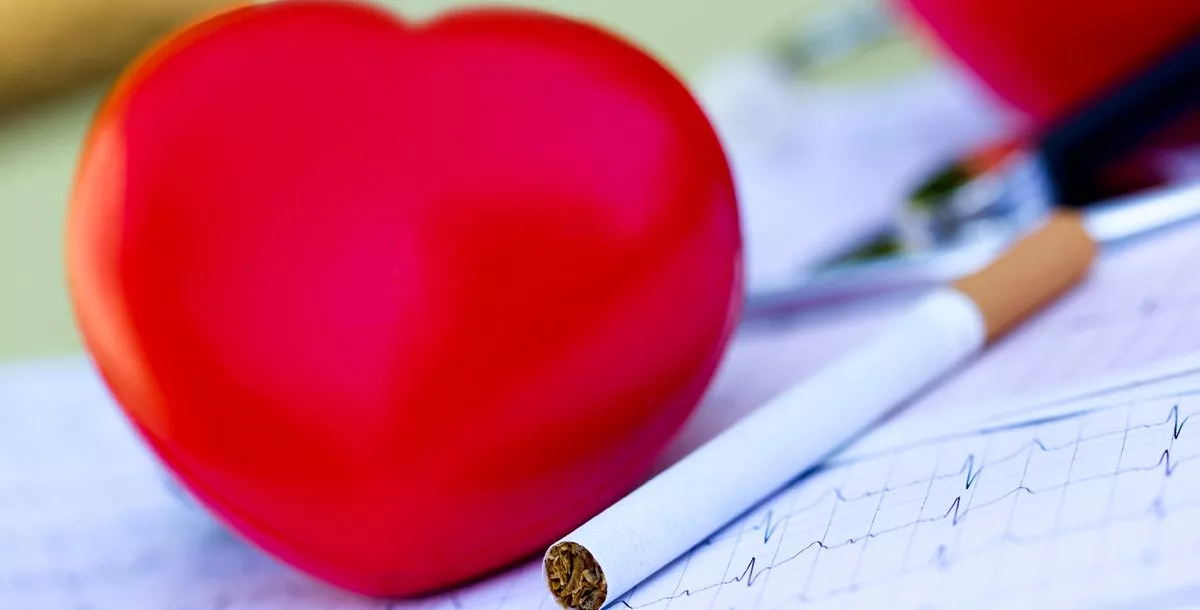
Even one cigarette affects your arteries. It narrows them, reduces oxygen in the blood and increases clotting. Over time, smoking thickens the blood and damages vessel walls. Even if you do not smoke yourself, regular exposure to smoke increases the same risks. Avoid spaces where smoke lingers. Encourage loved ones to quit. If quitting feels hard, speak to professionals or support groups. Protecting your lungs supports your heart too.
Ignoring Routine Health Check-Ups
Many people wait until they feel pain to visit a doctor. But heart problems often start silently. High blood pressure and high cholesterol rarely show symptoms in the beginning. These silent signs may only appear in blood tests or ECG reports.
Meeting trained cardiologists in India even once a year helps catch problems early. A trusted cardiology hospital in India can offer tests that check for early artery changes, blood flow issues or rhythm problems. Prevention is always easier than treatment.
What Heart Damage May Look Like
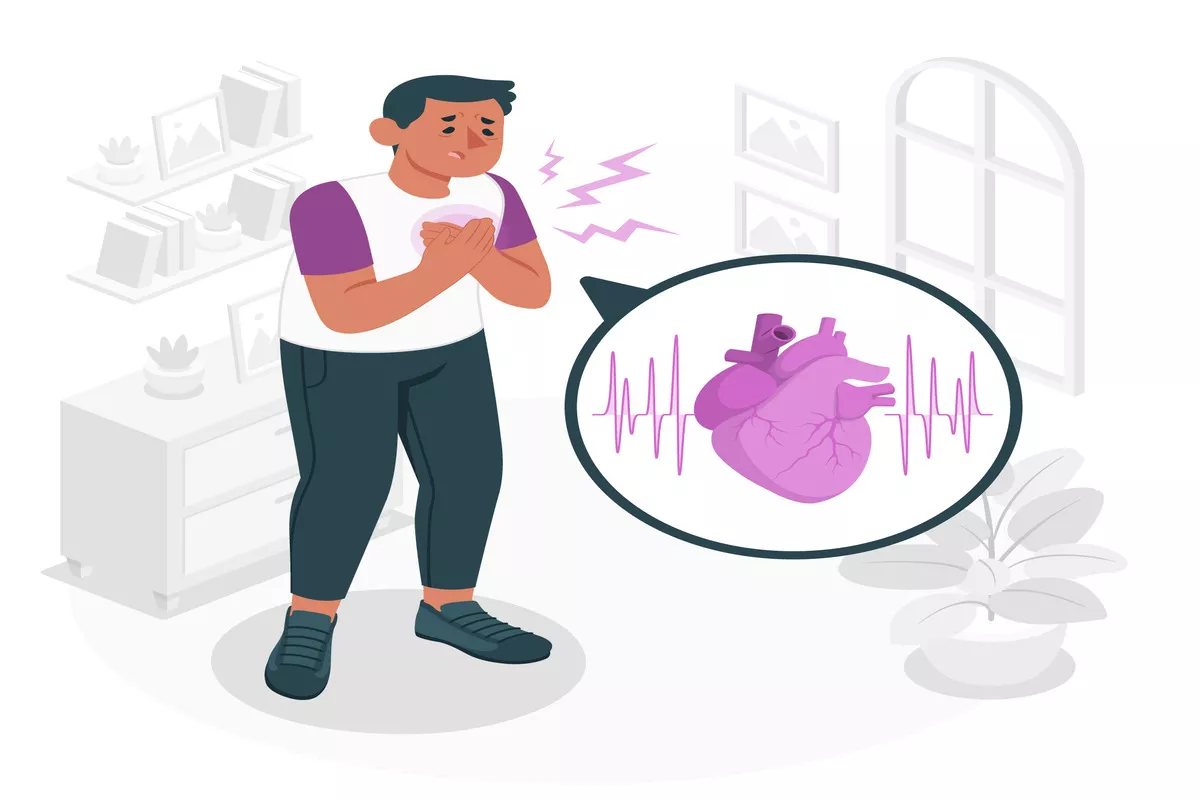
Early heart damage symptoms can be confusing. Shortness of breath during a mild activity, chest discomfort that comes and goes, or fatigue that feels unusual may all be clues. Some people feel dizzy when standing. Others sweat more during rest. If these signs persist, do not guess. Let a medical expert examine your condition. Early support makes recovery more likely. The heart often gives soft signals before stronger ones appear.
Final Thought
Your heart does not need perfection. It needs attention. Most damage does not come from major events. It builds slowly through repeated choices that strain the body. Change does not need to happen all at once. Choose one habit. Improve it. Then take on the next. When your habits change, your heart responds. Quietly, steadily, and without delay.