
Stress is unavoidable in modern life. From fast-paced work environments and financial pressures to personal responsibilities and information overload, stress follows us everywhere. While occasional stress is normal, chronic stress can silently damage your body, especially your heart.
At Aster Hospitals, we believe that preventive care begins with awareness. Understanding how stress affects your heart is the first step toward protecting it. Let’s have a comprehensive look at the connection between stress and heart disease, along with practical ways to manage it and safeguard your heart.
How does stress impact the heart?
1. Stress hormones strain the cardiovascular system
Whenever you're stressed, your body releases adrenaline and cortisol, hormones that prepare you for a “fight or flight” response. In short bursts, these hormones are helpful. But when stress becomes long-term, these hormones remain elevated, causing:
- High blood pressure
- Rapid heartbeat
- Constricted blood vessels
- Increased workload on the heart
Over time, this constant strain can weaken your heart and contribute to hypertension, arrhythmias, and heart disease. These are some effects of stress on the heart.
2. Stress increases inflammation
Chronic stress triggers inflammation in the body, which affects the inner lining of blood vessels. This can speed up plaque buildup in the arteries, one of the early steps in developing coronary artery disease. Inflammation also increases the risk of clot formation, raising the chances of heart attack and stroke.
3. Stress often leads to unhealthy coping habits
One of the hidden impacts of stress is the chain of harmful behaviors it encourages. Many people turn to smoking, emotional eating, excessive alcohol consumption, skipping exercise, and overeating salty or sugary foods. These habits may temporarily ease stress but significantly increase the risk of obesity, high cholesterol, hypertension, and eventually heart disease.
4. Stress disrupts sleep essential for heart health
Stress and sleep are closely connected. Stress makes it difficult to fall or stay asleep, and lack of sleep increases stress levels that creates a harmful cycle. Poor sleep affects blood pressure, heart rate, and inflammation, all of which are critical markers of heart health.
5. Stress can elevate blood pressure
Chronic stress is a major contributor to hypertension, often called the “silent killer.” High blood pressure is a side effect of stress that puts constant pressure on your arteries, making them stiffer and more prone to damage, which can lead to heart attack, heart failure, and stroke.
Signs that stress might be affecting your heart
Stress does not always show up dramatically. Your body often gives subtle clues such as:
- Headaches
- Fatigue
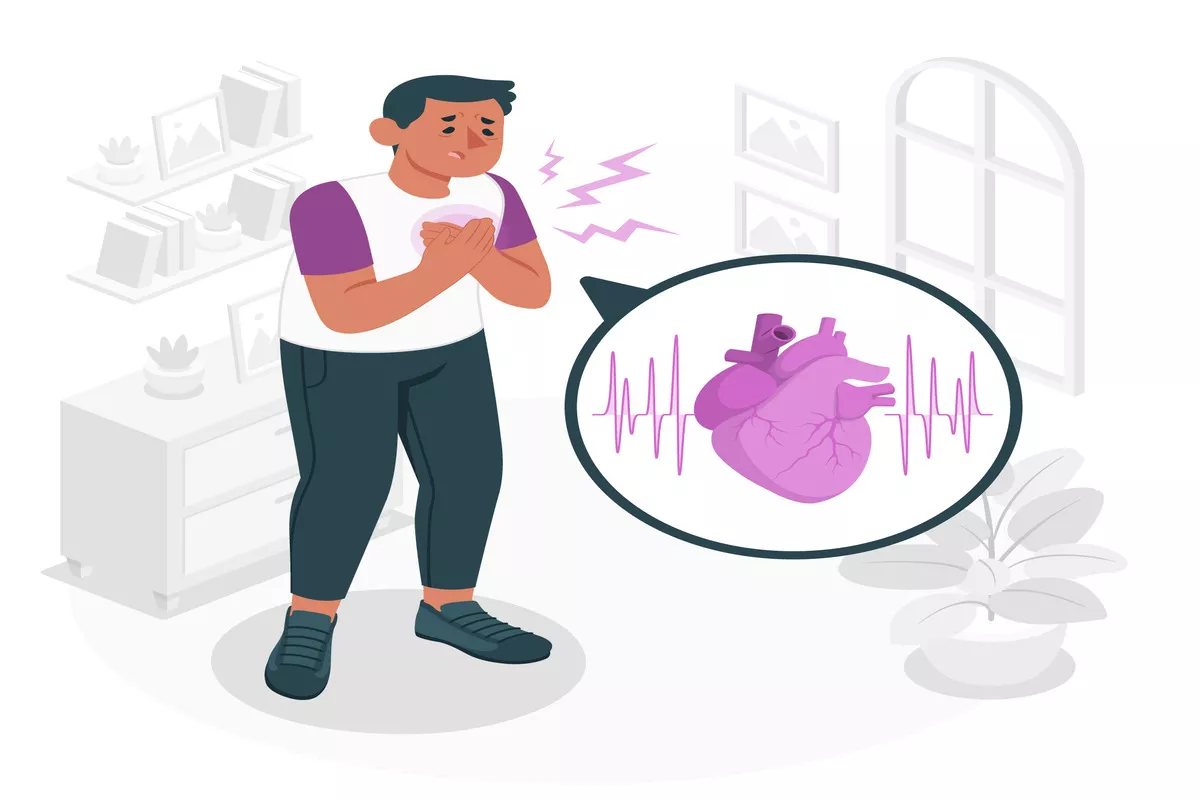
- Chest tightness or palpitations
- Digestive issues
- Irritability or anxiety
- Difficulty sleeping
- Loss of appetite or overeating
While these symptoms don’t always indicate heart disease, they signal your body is under stress, and early attention is essential.
Ways to manage stress to protect your heart
Stress can be managed with small lifestyle changes and consistent habits. It will also protect your heart health. Follow these tips:
Deep breathing and meditation
Simple breathing exercises can calm your nervous system within minutes. Techniques such as diaphragmatic breathing, box breathing, or guided meditation reduce cortisol levels and help lower blood pressure. Even 5 to 10 minutes a day can make a noticeable difference.
Regular physical activity
Exercise is among the most powerful stress relievers. Physical activity releases endorphins or natural mood boosters, while improving circulation and lowering blood pressure. Aim for:
- 30 minutes of walking
- Yoga or stretching
- Cycling or swimming
- Any enjoyable physical activity
Movement helps your body manage stress hormones more effectively.
Prioritise sleep
Sleep is essential for emotional and heart health. Poor sleep raises stress hormones and blood pressure. A well-rested mind handles stress better. To improve sleep, you need to maintain a consistent bedtime routine, avoid caffeine consumption late in the day, limit screen time before bed, and create a dark and cool environment around you to get good sleep.
Eat a heart-friendly diet
Food plays a major role in reducing stress and supporting heart health. Choose fresh fruits and vegetables, whole grains, lean proteins, healthy fats (nuts, olive oil, fish), less caffeine, sugar, and processed foods that help regulate blood pressure, reduce inflammation, and stabilize your mood. Read food labels to check for saturated fat, sodium, and sugar content. Choose baked or grilled options over fried foods. Incorporate legumes as a low-fat, high-fiber alternative to meat. Add spices like turmeric, garlic, and ginger to your meals, as they may offer cardiac benefits.
Take out time for activities you enjoy
Hobbies such as reading, gardening, music, painting, or even spending time in nature can significantly reduce stress levels and improve emotional well-being. By incorporating these tips, you can boost heart health and lead a healthier life.
Conclusion
You should seek medical help at a renowned cardiology hospital in India if you experience persistent chest pain, shortness of breath, palpitations, and dizziness or fainting. Stress can mask or worsen underlying heart conditions, and timely diagnosis is key.
At Aster Hospitals, our mental health teams work together with the best cardiologists in India to provide holistic care, because your emotional well-being is just as important as your physical health. By recognizing the signs early and adopting healthy habits, you can protect your heart and improve your quality of life. With guidance, care, and the right support system, stress can be controlled, and your heart can stay strong.