When a baby arrives in the world, it is the happiest moment for everyone, and the baby’s most beautiful phase in life is its childhood. The baby is taken care of beautifully with extra care and attention, where it takes only light footsteps, filled with laughter, and lives worry-free.
But today, across the world, childhood is heavier for those little ones, not just physically but emotionally too. In the past, malnutrition in children was a health hazard as they did not have enough food to eat. But now global health reports are showing that the number of children who are living with obesity is on the rise.
In light of World Obesity Day, which is on March 4th every year, let's address this in detail to raise awareness and understand where it is leading our children.
What is Child Obesity and What Causes the Condition?
Obesity is, in fact, considered a disease which is characterized by abnormal adipose tissue (fat tissue) accumulation, which leads to a high BMI (body mass index), which varies by age and gender.
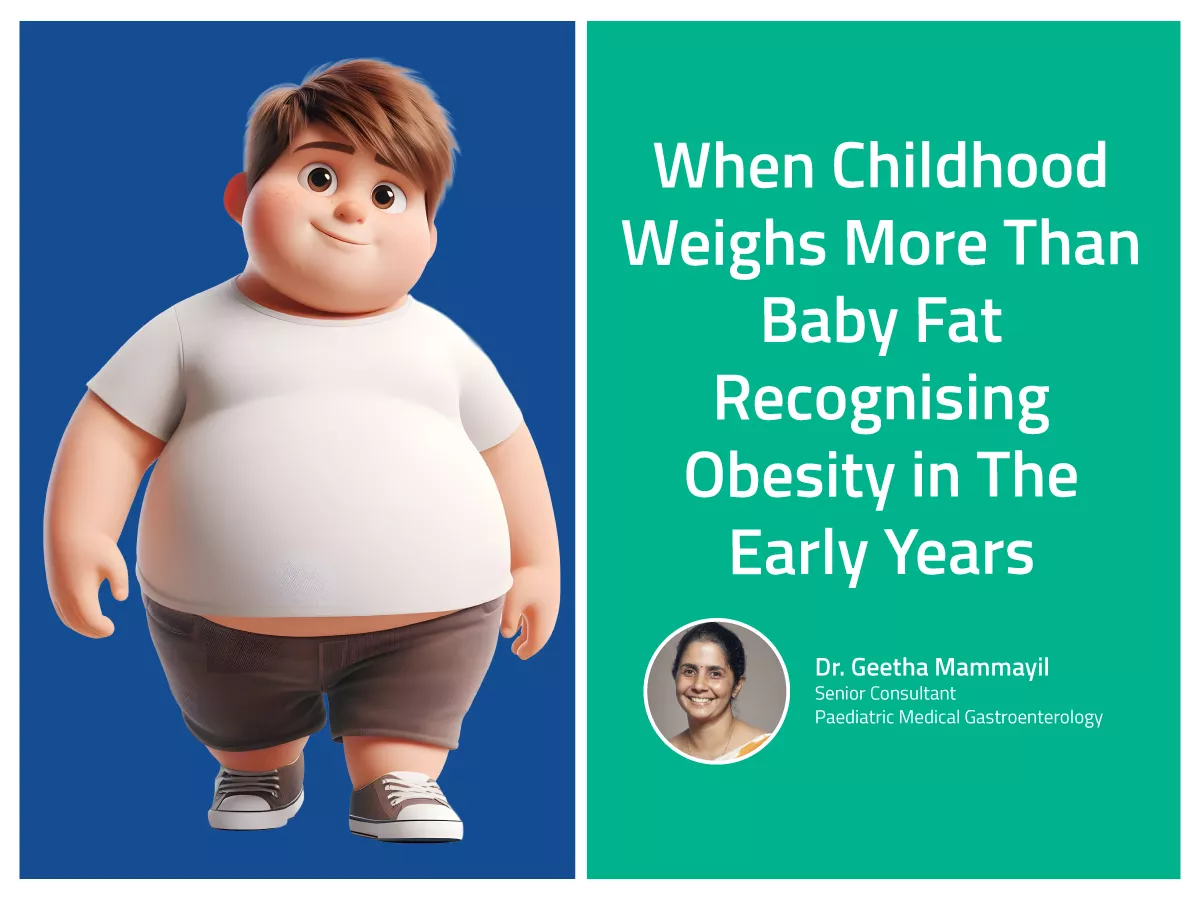
When a child carries excess body fat, it begins to affect their health and daily activities, and this is identified as child obesity. According to global reports, one in five children and teenagers is found to be obese. Obesity is a severe form of overweight, and it invites chronic diseases which are sure to affect the child's long term health.
It is very important to keep ourselves aware that obesity is not laziness, and we should never tell a child that they are not doing enough. Obesity itself is not caused by just one factor, but a number of them, like:
● Low nutrition, high-fat processed foods
● Very little physical activity
● Excessive screen time
● Inadequate sleep
● Family habits and lifestyle patterns
● Genetic and hormonal factors
● Emotional eating
Health Risks of Children with Obesity
Obesity carries a risk of unhealthy physical and emotional development in children. It increases the risk of:
● Type 2 diabetes
● High blood pressure
● Joint problems
● Hormone issues
● Fatty liver condition
● Early cardiovascular diseases
On an emotional level, children will start facing issues like:
● Depression
● Anxiety
● Social withdrawal
● Bullying or harassment
● Low self-esteem
Emotional imbalance feels heavier than the physical overweight, and it can deeply affect the children, giving them a life which they never expected.
How Can We Help Children to Prevent Them from Obesity
All children deserve gentleness, love and affection. It's not their fault that they get this condition. The food environment provided to them and sedentary lifestyle, and many more factors, play a crucial role in making or breaking a child's physical and emotional well-being. Hence, it becomes a responsibility of the whole system, along with proper guidance from the family.
We can bring the difference in children by:
Providing them with balanced meals - Keep healthy food easily accessible when they want to eat something, and make sure to keep it visible.
Create structured routines - The family can eat meals together at the right times. Remember to be a healthy role model for them to follow the healthy patterns.
Create a screen-free time - If the family can spend time together and make the children actively engaged, it will naturally make them not get into unhealthy screen time or use gadgets. You can make the children involved in sports and other outdoor activities.
Sleep is a priority - Being healthy includes getting adequate sleep, too, where the child's health is taken care of at the core. Both physical and emotional safety lie in proper sleep for the child to make healthy choices.
Limit the marketing of junk food - It all starts with the family, where the food is readily available. Always make sure not to market junk food which is easily accessible, instead make healthy meals and snacks for curbing the hunger or temptations. Hence, it is best not to stock them at home. But even if the child is not staying at home, healthy food must be affordable too, which becomes the system's responsibility. Healthier school meal programs must also be available for children.
Obesity and Hunger - Are they related?
As mentioned before, malnutrition was a major concern in the past, but obesity is now taking over as the major health concern for children as well as adults. Obesity is also considered undernutrition, where kids get their tummies filled but with zero nutrients. Cheap and ultra-processed foods are largely available in every nook and corner now, and people are marketing them due to competition to earn money. So it's not about hunger; it is about the unhealthy and easy options available for them to grab onto.
Final Word
Unhealthy snacks are more in demand than organic foods like fruits and vegetables. Kids love looking at their gadgets and avoid any outdoor activities. Obesity becomes a huge responsibility of the whole system when unhealthy choices have become easy to opt for. Remember, healthy eating or choices are not practised by advice alone; instead, people need to provide healthier food environments for children to practice the same.
Obesity is more of a medical condition that is shaped by more external factors rather than a child's character. Hence, children should not be blamed. When we provide children with structural support, we protect their bodies, their confidence, joy and also a sense of belonging. Childhood is meant to feel lighter, not heavier.