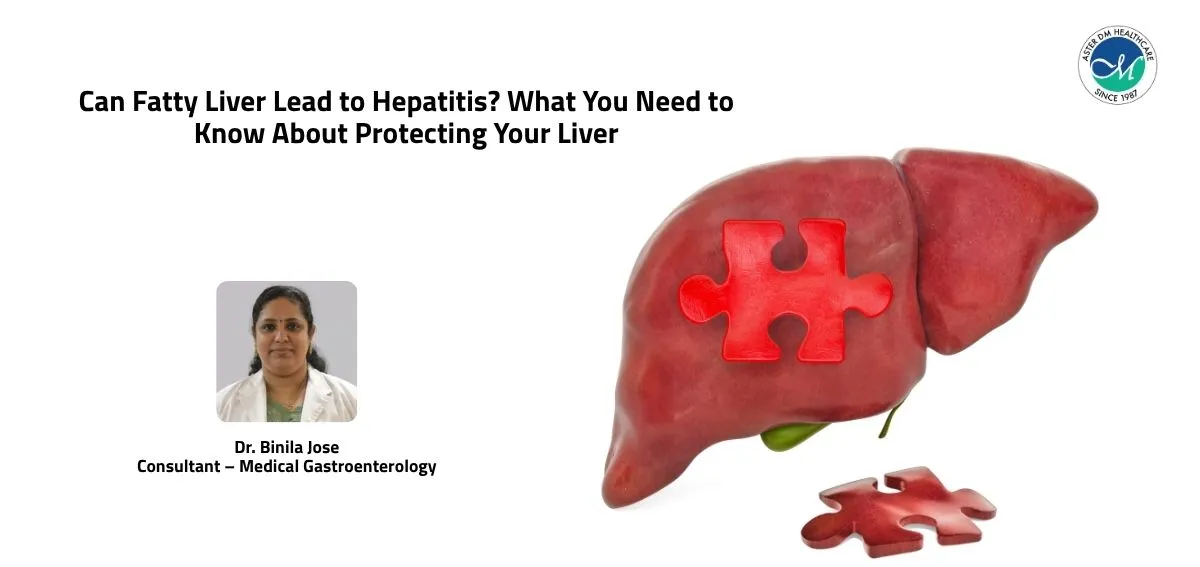

Fatty Liver Disease has become one of the most common health conditions seen today. Since it often develops without causing noticeable symptoms in its early stages, many people tend to ignore it. However, without timely attention and proper management, fatty liver can gradually progress to a more serious condition called hepatitis, particularly Non-Alcoholic Steatohepatitis (NASH), where inflammation and damage occur within the liver.
Fatty liver disease occurs when excess fat builds up in the liver. Over time, this fat buildup can trigger inflammation, leading to liver cell damage. If left untreated, it may eventually progress to liver fibrosis, cirrhosis, or even liver failure.
Early Signs and Symptoms
In its early stages, fatty liver progressing to hepatitis may not produce obvious symptoms. However, some individuals may experience the following warning signs:
- Persistent fatigue and tiredness that does not improve even after adequate rest.
- Mild pain, discomfort, or a feeling of heaviness in the upper right side of the abdomen.
- Loss of appetite and unexplained weight loss.
- Nausea or reduced interest in eating.
- Yellowing of the eyes and skin (jaundice), indicating liver dysfunction.
- Swelling of the legs or abdomen due to fluid accumulation as liver function declines.
Causes and Risk Factors
Several factors can contribute to fat accumulation in the liver and increase the risk of progression to hepatitis.
Obesity and Excess Body Weight
Being overweight or obese, particularly with excess abdominal fat, significantly increases the amount of fat stored in the liver.
Type 2 Diabetes
People with insulin resistance and Type 2 diabetes have a much higher risk of developing fatty liver disease and its complications.
High Cholesterol and Triglycerides
Elevated cholesterol and triglyceride levels can negatively affect liver health and increase fat deposition within the liver.
Unhealthy Dietary Habits
Frequent consumption of processed foods, sugary beverages, fried foods, and diets high in unhealthy fats can contribute to fatty liver disease.
Sedentary Lifestyle
Lack of regular physical activity slows metabolism and increases the likelihood of fat accumulation in the liver.
Why Early Diagnosis Matters
The most effective way to prevent fatty liver from progressing to hepatitis is early detection. The liver has a remarkable ability to regenerate during the initial stages of the disease, making timely diagnosis extremely important.
The following investigations can help identify fatty liver and assess liver health:
Liver Function Test (LFT)
Blood tests measuring liver enzymes such as ALT and AST help detect liver inflammation and assess liver function.
Ultrasound Scan
An ultrasound is commonly used to identify fat accumulation within the liver.
FibroScan
FibroScan helps evaluate the amount of fat in the liver and determine whether fibrosis (liver scarring) has developed.
Regular Health Check-ups
Rather than waiting for symptoms to appear, undergoing annual health check-ups can help detect liver disease at an early stage when treatment is most effective.
Lifestyle Changes for a Healthy Liver
The encouraging news is that fatty liver can often be reversed through timely lifestyle modifications.
Follow a Healthy Diet
Include whole grains, fresh fruits, vegetables, and fibre-rich foods in your daily meals. Avoid fried foods, junk food, processed foods, and sugary beverages.
Maintain a Healthy Body Weight
Losing approximately 7–10% of your current body weight can significantly reduce liver fat and inflammation.
Exercise Regularly
Aim for at least 30 minutes of moderate physical activity or brisk walking every day to improve metabolism and support liver health.
Avoid Alcohol
People diagnosed with fatty liver should completely avoid alcohol, as it can further damage the liver.
Avoid Self-Medication
Do not take painkillers, herbal supplements, or other medications without medical advice. Certain drugs and supplements can place additional stress on the liver and worsen existing liver disease.
Conclusion
Fatty liver is not a condition that should be taken lightly. Although it may not cause significant symptoms during its early stages, untreated fatty liver can gradually progress to hepatitis and other serious liver diseases. Fortunately, with regular health screenings, timely diagnosis, a balanced diet, regular exercise, weight management, and healthy lifestyle habits, fatty liver can often be reversed and long-term liver damage prevented.
At Aster MIMS Calicut, our experienced gastroenterologists and hepatology specialists provide comprehensive evaluation and advanced care for a wide range of liver conditions, including fatty liver disease, hepatitis, and other complex liver disorders. If you are looking for the best gastroenterologist in Calicut or expert fatty liver treatment in Calicut, our team offers personalised care using advanced diagnostic facilities such as FibroScan, liver function testing, and evidence-based treatment plans. Early consultation can make a significant difference in preventing disease progression and helping you maintain a healthy liver for years to come.