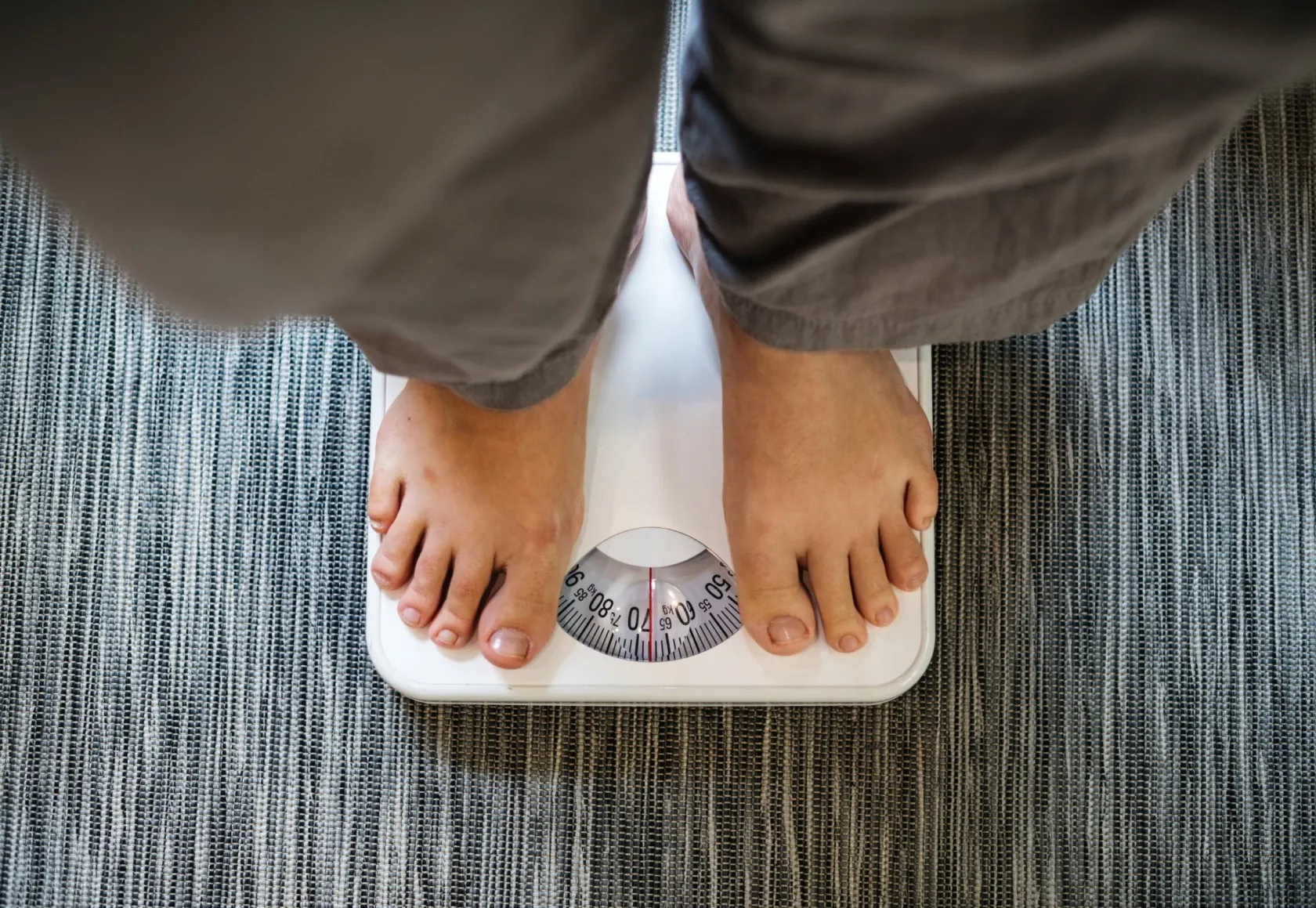

Childhood obesity is one of the major health challenges growing rapidly across the world today. In the past, parents often considered a chubby child a sign of good health and prosperity. However, modern medicine warns that excess weight in children can be an early indicator of several serious health conditions. Changing lifestyles and unhealthy eating habits are increasingly exposing children of all ages to various health problems. A lack of awareness and attention among parents can often make it difficult to identify the problem at an early stage.
Childhood obesity is not merely a concern related to physical appearance; it can also affect a child's overall growth and development in the future. Excess weight during childhood can increase the risk of developing serious health conditions in adulthood, including type 2 diabetes, high blood pressure, heart disease, and fatty liver disease. In addition, difficulties with learning, low self-confidence, psychological stress, and depression associated with obesity can negatively affect children's education and personality development. Therefore, parents must remain vigilant and take appropriate steps to ensure their children's healthy future.
Early Signs and Symptoms
Childhood obesity is not limited to an increase in body weight alone. It can manifest through various physical symptoms and difficulties. Some important warning signs that parents should watch for include:
Sudden Weight Gain: Gaining more weight than expected for a child's age and height is an important warning sign. Sudden changes in clothing size and visible accumulation of body fat may also indicate excessive weight gain.
Breathlessness and Easy Fatigue: Children may experience excessive breathlessness or become unusually tired even after running short distances or participating in simple physical activities. These difficulties may be associated with excess body weight.
Dark Patches Around the Neck and Skin Folds: Thickened, darkened skin around the neck and underarms, a condition known as acanthosis nigricans, should not be ignored. It can be a sign of insulin resistance, which may indicate an increased risk of developing diabetes in the future.
Sleep Disturbances and Snoring: Children may suddenly wake up during the night because of breathing difficulties or experience excessive snoring. These problems can interfere with sleep and lead to poor concentration and tiredness during the day.
Joint Pain and Difficulty Walking: Excess body weight places additional pressure on the knees, hips, and feet. As a result, children may experience joint pain and difficulty walking even at a young age.
Causes and Risk Factors
Childhood obesity often develops due to a combination of unhealthy lifestyle habits and other contributing factors. The major causes and risk factors can be classified into five categories:
Unhealthy Eating Habits: Excessive consumption of processed foods that are high in calories but low in nutritional value is one of the major contributing factors. Regular consumption of junk foods such as burgers, pizzas, and fried chicken, along with bakery products and other processed foods, can lead to fat accumulation in the body. In addition, soft drinks and packaged juices often contain high amounts of sugar, which can contribute to rapid weight gain.
Physical Inactivity and Excessive Screen Time: Children are increasingly spending hours in front of mobile phones, televisions, computers, and video games instead of running and playing outdoors. When physical activity decreases, fewer calories are burned, and excess energy from food may be stored in the body as fat.
Genetic and Hereditary Factors: Children may have a higher tendency to gain excess weight if their parents or other family members have obesity, diabetes, or metabolic disorders. Genetic factors can influence body weight regulation and metabolism, making some children more susceptible to weight gain.
Psychological Stress and Emotional Eating: Academic pressure, examination anxiety, social isolation, and family problems can cause significant psychological stress in children. In such situations, some children may turn to sweets and junk food for comfort, gradually developing unhealthy eating habits.
Lack of Sleep and Hormonal Changes: Children who regularly go to bed late may experience changes in the balance of hormones involved in appetite regulation, such as ghrelin and leptin. These changes can contribute to increased hunger and unnecessary eating, particularly at night. In rare cases, hormonal disorders, including thyroid-related problems, may also contribute to excessive weight gain.
The Importance of Preventive Care
Rather than judging a child's weight simply by appearance, it is important to assess their Body Mass Index (BMI) in relation to their age and height. With the help of a paediatrician, a BMI-for-age percentile chart can be used to determine whether a child's growth pattern is appropriate. When childhood obesity is identified early, it can often be managed effectively through lifestyle modifications and medical guidance.
Forcing children to follow strict diets or repeatedly scolding them for gaining weight is not an appropriate way to manage childhood obesity. Such approaches may increase psychological stress, lower self-esteem, and create an unhealthy fear of food. Instead of placing the entire responsibility on the child, the whole family should adopt a healthier lifestyle together. Parents can support their children by following these practical measures:
Make Healthy Changes to the Diet: Reduce junk food and unhealthy bakery products while including whole grains, vegetables, fruits, and protein-rich foods in daily meals. Encourage children to drink water instead of sugary drinks and limit their intake of sweets. Fresh fruit can be offered as a healthy snack. Avoid television and mobile phones during meals so that children can concentrate on eating and recognise their hunger and fullness cues.
Limit Screen Time: Restrict recreational screen time on mobile phones, televisions, and computers to an appropriate daily duration. For children aged 5–17, the World Health Organization recommends limiting sedentary behaviour and replacing screen time with physical activity, while specific screen-time limits should be appropriate to the child's age and circumstances. Parents should also regulate their own phone usage and set a positive example for their children.
Include Exercise in the Daily Routine: Encourage children to engage in at least 60 minutes of physical activity every day, such as running, cycling, swimming, or playing outdoor games. When parents participate in evening activities and games with their children, it not only increases physical activity but also strengthens family relationships.
Ensure Adequate Sleep: Make sure children receive sufficient, good-quality sleep every night. School-aged children generally need 9–12 hours of sleep, while teenagers typically need 8–10 hours. Adequate sleep supports appetite regulation, healthy growth, and overall well-being.