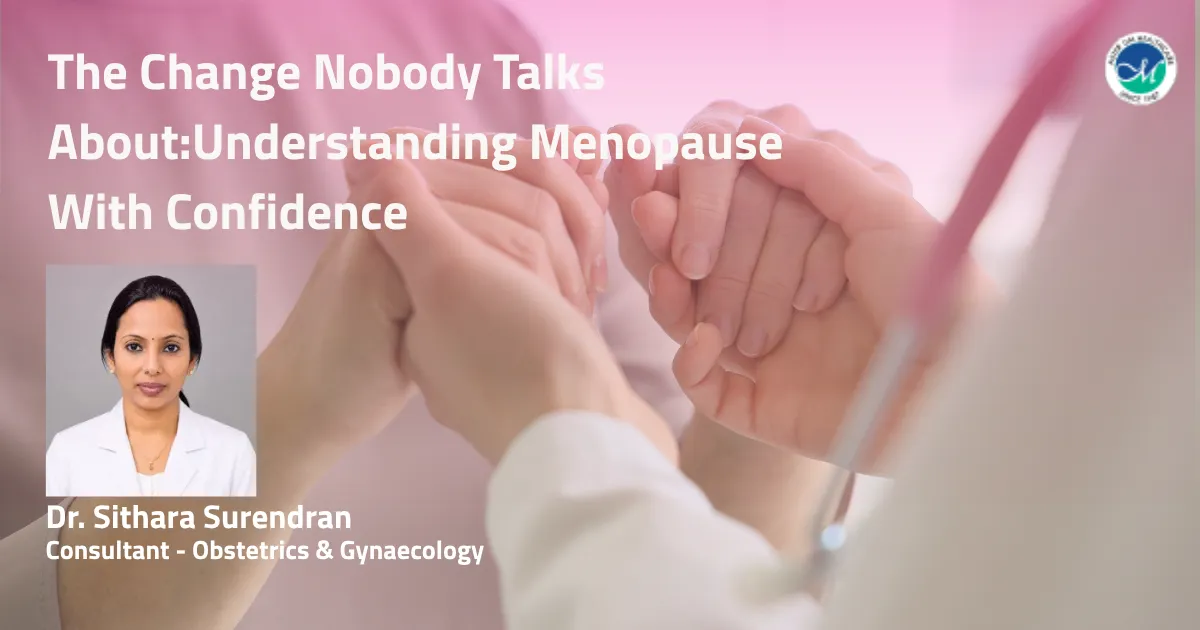
Ask a woman about her first period and she will probably remember it clearly. Ask her about menopause and you may get a pause, a shrug, or a nervous laugh. Somewhere along the way, we decided this natural stage of life was something to whisper about. Yet almost every woman goes through it, usually between the ages of 45 and 55. When you understand what is happening inside your body, confusion turns into confidence. So let's talk about it openly, the way you would with a close friend.
What Exactly Is Menopause?
Menopause is the point when a woman's periods stop for good because the ovaries make much less of the hormones oestrogen and progesterone. Doctors confirm it once you have gone 12 months in a row without a period. It is not an illness. It is a natural transition, just like puberty, only in the other direction. In India, the average age of menopause is around 46 to 49, slightly earlier than in many Western countries.
The Three Stages You Should Know
• Perimenopause: The years before menopause, often beginning in the early to mid-40s. Periods turn irregular, heavier or lighter than usual, and the first symptoms appear.
• Menopause: The milestone reached after a full year without a period.
• Postmenopause: The years that follow. Many symptoms settle down, but your bones and heart need extra care.
Symptoms You Might Notice
No two women experience menopause the same way. Some sail through, while others feel their daily routine turned upside down. Common menopause symptoms include:
• Hot flashes and night sweats: Sudden waves of heat in the face, neck and chest, sometimes leaving you drenched at night.
• Sleep trouble: Waking up at odd hours or finding it hard to fall asleep, even when you are exhausted.
• Mood changes: Irritability, anxiety or feeling low for no clear reason. This is hormonal, not a weakness.
• Vaginal drynBraess and discomfort: A very common but rarely discussed problem that affects comfort and intimacy.
• Brain fog: Forgetting small things or finding it hard to concentrate.
• Joint aches and weight changes: Stiffness in the morning and extra weight around the waist.
If this sounds familiar, please know you are not imagining it, and you are certainly not alone.
Why Your Bones and Heart Need Attention
Oestrogen quietly protects your bones and your heart. When its level drops, bone loss speeds up, which raises the risk of osteoporosis and fractures. The risk of heart disease and high cholesterol also rises after menopause. This is why women's health after 45 is about more than managing hot flashes. It is about protecting your long-term strength and independence.
Everyday Habits That Make a Real Difference
You do not need a complicated routine. Small, steady changes help more than you might expect.
• Eat for your bones: Include calcium and vitamin D rich foods such as milk, curd, ragi, sesame seeds, leafy greens and fish.
• Move every day: A 30-minute walk, yoga or light strength training keeps bones strong and lifts your mood.
• Know your triggers: Spicy food, caffeine and alcohol can set off hot flashes. Cotton clothes and light layers help you stay cool.
• Protect your sleep: Keep a fixed bedtime, keep the room cool and switch off screens an hour before bed.
• Make time for yourself: Talk to friends, try breathing exercises or pick up an old hobby. Your mind needs care too.
When Should You See a Doctor?
Many women put up with symptoms for years, thinking it is just part of ageing. It does not have to be that way. Please speak to a gynaecologist at Aster MIMS if you notice:
• Very heavy or prolonged bleeding during perimenopause
• Any bleeding after menopause, even a small amount, which should always be checked
• Symptoms that disturb sleep, work or relationships
• Persistent sadness, anxiety or loss of interest in things you once enjoyed
• Bone or back pain, or a fracture from a minor fall
Treatment Options Are Available
Menopause treatment is not one-size-fits-all. Depending on your symptoms, age and medical history, your doctor may suggest lifestyle changes, non-hormonal medicines, vaginal oestrogen for dryness, or menopausal hormone therapy for suitable candidates. A bone density test can also show whether your bones need extra support. At Aster MIMS, our doctors take time to listen, understand your symptoms and plan care that suits you. Please do not start or stop any medicine on your own.
You Deserve to Feel Like Yourself Again
Menopause marks the end of your periods, not the end of your energy, your confidence or your enjoyment of life. Many women say the years after menopause feel freer and calmer once symptoms are managed. The first step is simply to speak up, whether to a family member, a friend or a doctor.
Your health story does not end at menopause. With the right care and the right support from Aster MIMS, it simply turns a new page
Featured Blogs

One Aster
Personalized Medical Assistant for all your healthcare needs.
Book instant appointment, pay securely, eConsult with our doctors and save all your health records at one place are some of the benefits of OneAster App. It is everything you need, to manage your family Health.



* Registration available only for valid Indian mobile number