
Many people consider malaria to be just an ordinary fever. However, if left untreated or not treated promptly, it can lead to serious and potentially life-threatening complications. It is important to understand how this mosquito-borne disease disrupts the body's normal functions at the cellular level.
Cerebral Malaria: The Impact on the Brain
Cerebral malaria is one of the most dangerous complications of malaria. Infected red blood cells can accumulate in and obstruct the tiny blood vessels of the brain, affecting its normal functioning. This condition is known as cerebral malaria.
Symptoms may include severe confusion, loss of consciousness, and seizures. Without prompt and appropriate treatment, cerebral malaria can cause permanent neurological damage or even death.
Kidney Failure
When malaria parasites destroy red blood cells, the resulting substances can damage the kidneys' filtration system. In a condition known as Blackwater Fever, urine may become dark red, brown, or cola-coloured due to the presence of haemoglobin from destroyed red blood cells.
This can indicate severe disease and may be associated with acute kidney injury.
Respiratory Complications
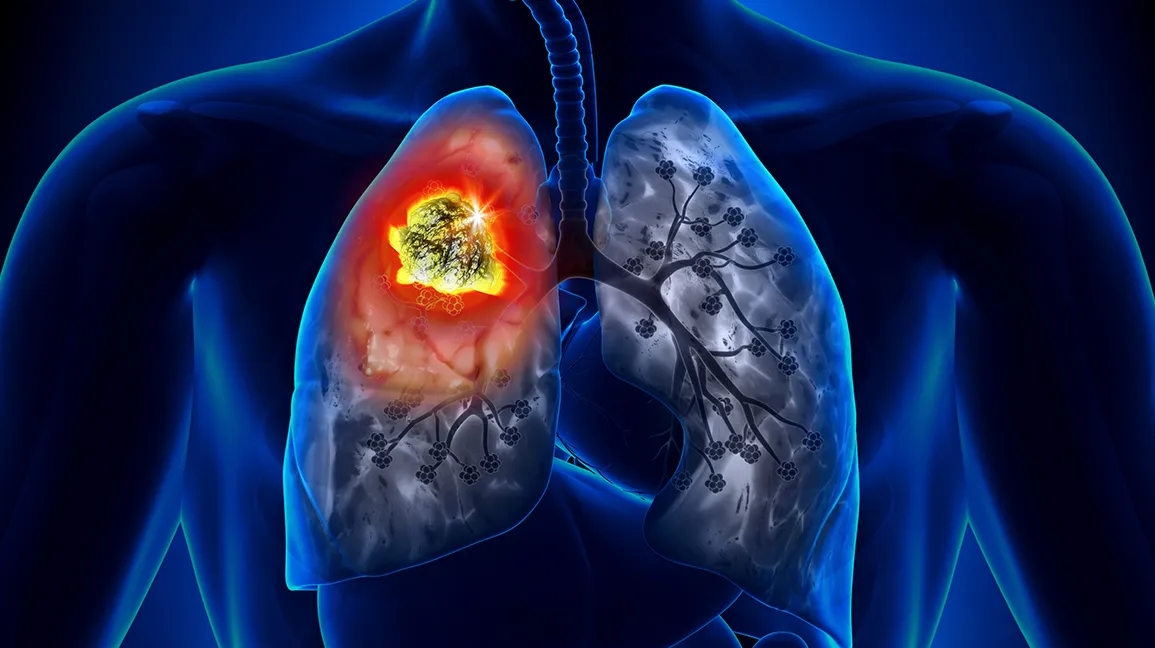
Some patients with malaria develop pulmonary oedema, a condition in which fluid accumulates in the lungs. This can cause breathing difficulties and reduce oxygen levels in the blood.
In severe malaria, acute respiratory distress can become life-threatening and may require immediate medical attention.
How Malaria Affects the Liver and Spleen
Malaria parasites initially multiply in the liver before entering the bloodstream and infecting red blood cells. Liver dysfunction may develop in severe cases and can contribute to jaundice, which causes yellowing of the skin and eyes.
Meanwhile, the spleen works to filter and remove infected and damaged blood cells. This increased workload can cause the spleen to enlarge, a condition known as splenomegaly. In rare cases, severe complications such as splenic rupture may occur.
Anaemia and Low Blood Sugar
The destruction of red blood cells during malaria can lead to severe anaemia, reducing the blood's ability to carry oxygen throughout the body.
Patients with malaria may also develop hypoglycaemia, a condition in which blood glucose levels fall dangerously low. Severe hypoglycaemia can cause confusion, seizures, loss of consciousness, and potentially life-threatening complications.
How Can Malaria Be Prevented?
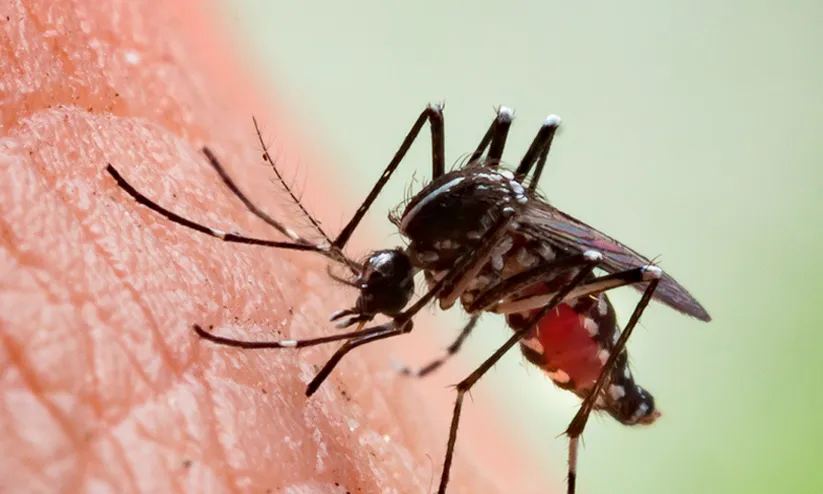
Preventing malaria is better than treating it after infection. Mosquito control and measures to prevent mosquito bites are essential.
- Use mosquito nets: Sleep under insecticide-treated mosquito nets, particularly long-lasting insecticidal nets (LLINs).
- Maintain a clean environment: Do not allow water to stagnate around your home. Water collected in discarded coconut shells, tyres, flowerpots, and other containers can create mosquito-breeding sites.
- Wear protective clothing: Wear clothing that covers your arms and legs, especially during the evening and night. Use mosquito repellents as directed.
- Consider preventive medication: If travelling to malaria-endemic areas, consult a doctor about appropriate preventive medication (chemoprophylaxis), based on the destination and individual risk.
Treatment: The Importance of Timely Intervention
Once malaria is diagnosed, treatment should begin promptly. The choice of medication depends on the malaria parasite species, disease severity, geographical location, and local drug-resistance patterns.
- Treatment for uncomplicated malaria: Medicines such as chloroquine may be used for certain types of malaria in areas where the parasites remain susceptible to it. Other medicines are required when resistance is present.
- Artemisinin-based Combination Therapy (ACT): ACT is a key treatment for Plasmodium falciparum malaria and is recommended in accordance with current treatment guidelines.
- Treatment for severe malaria: Patients with cerebral malaria or other serious organ complications require hospital admission and urgent treatment, usually with intravenous artesunate. Supportive care, including oxygen therapy, blood transfusion, or kidney support, may be necessary depending on the complications.
Malaria is much more than an ordinary fever. If you experience fever accompanied by chills, headache, vomiting, or other concerning symptoms, seek medical attention promptly and undergo testing as advised by a healthcare professional.
Plasmodium falciparum is one of the malaria parasite species most commonly associated with severe complications, including cerebral malaria and organ failure.
Early diagnosis, prompt treatment, and appropriate medical care can significantly reduce the risk of severe complications. Stay alert. Stay protected. Stay healthy.