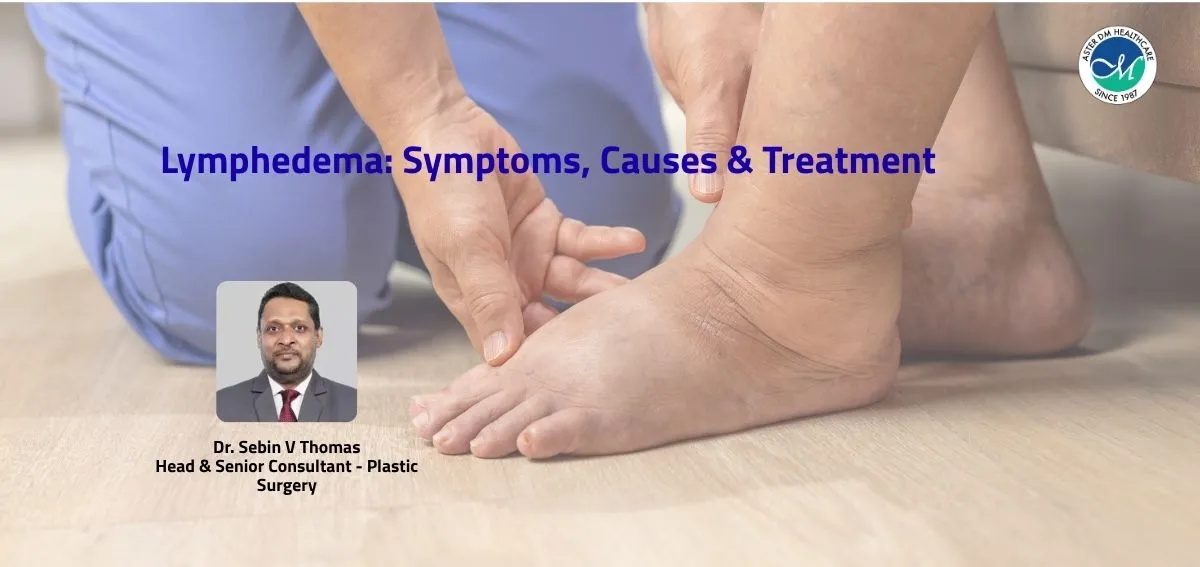

Lymphedema is a chronic condition caused by the buildup of lymphatic fluid in the body's tissues, leading to persistent swelling. It most commonly affects the arms and legs but can also involve the face, neck, chest, or genital area. Although often associated with cancer treatment, lymphedema can also result from inherited conditions, infections, trauma, or damage to the lymphatic system.
While lymphedema cannot always be cured, early diagnosis and appropriate treatment can effectively control symptoms, reduce complications, and improve quality of life. Modern advances in Plastic & Reconstructive Surgery have also introduced microsurgical procedures that can restore lymphatic drainage in selected patients.
What Is Lymphedema?
The lymphatic system is a network of vessels and lymph nodes that helps maintain fluid balance, remove waste, and support the immune system. When lymphatic vessels become damaged, blocked, or fail to develop properly, lymph fluid accumulates in the tissues, causing swelling known as lymphedema.
Without timely treatment, persistent swelling may lead to skin thickening, reduced mobility, discomfort, and recurrent infections.
What Causes Lymphedema?
Lymphedema is classified into two types:
Primary lymphedema is a rare condition caused by inherited abnormalities of the lymphatic system.
Secondary lymphedema is more common and develops due to damage or obstruction of the lymphatic system. Common causes include:
· Cancer surgery involving lymph node removal
· Radiation therapy
· Trauma or injury
· Recurrent skin infections
· Obesity
· Chronic venous disease
· Lymphatic filariasis in endemic regions
People treated for breast, gynecological, prostate, or head and neck cancers are at a higher risk of developing secondary lymphedema.
Signs and Symptoms
Symptoms often develop gradually and may worsen if left untreated. Common signs include:
· Persistent swelling affecting the arm, leg, hand, or foot
· A feeling of heaviness or tightness
· Reduced flexibility or movement
· Aching or discomfort
· Tight-fitting clothing, shoes, or jewellery
· Thickened or hardened skin
· Recurrent skin infections such as cellulitis
Early evaluation is important, as treatment is generally more effective before the condition progresses.
How Is Lymphedema Diagnosed?
A detailed medical history and careful physical examination form the basis of the diagnosis. Depending on the individual's condition, the doctor may recommend tests such as:
· Limb measurements to assess swelling
· Ultrasound to rule out blood clots or venous disease
· Lymphoscintigraphy to evaluate lymphatic drainage
· MRI or CT scans when detailed imaging is needed
· Indocyanine Green (ICG) lymphography for surgical planning in selected patients
These investigations help determine the severity of lymphedema and guide the most appropriate treatment approach.
Treatment Options
Treatment aims to reduce swelling, improve function, and prevent complications. Most patients benefit from a combination of conservative and, when appropriate, surgical management.
Conservative Treatment
The first line of treatment is Complete Decongestive Therapy (CDT), which includes
· Manual lymphatic drainage
· Compression bandaging or compression garments
· Therapeutic exercises
· Skin care to prevent infection
· Weight management and healthy lifestyle habits
These therapies help improve lymphatic drainage and control swelling.
Advanced Surgical Treatment
For patients who continue to experience significant symptoms despite conservative therapy, Plastic & Reconstructive Surgery offers advanced microsurgical procedures.
Lymphovenous Bypass (LVB) is a minimally invasive procedure that connects functioning lymphatic vessels to nearby veins, allowing lymph fluid to drain more effectively.
Vascularized Lymph Node Transfer (VLNT) involves transferring healthy lymph nodes from one part of the body to the affected area to restore lymphatic drainage. This procedure is often considered for patients with moderate to advanced lymphedema.
In long-standing cases where excess fatty tissue has developed, liposuction may be recommended to reduce limb volume. The most appropriate treatment depends on the stage of the disease and the patient's overall health.
Preventing Complications
Although lymphedema is a chronic condition, proper self-care can help prevent worsening symptoms.
Patients are encouraged to:
· Keep the skin clean and well moisturized.
· Protect the affected limb from cuts, burns, and insect bites.
· Wear compression garments as prescribed.
· Stay physically active with appropriate exercises.
· Maintain a healthy body weight.
· Consult your doctor immediately if you notice redness, increased warmth, fever, or escalating pain, as these symptoms may indicate an infection
Regular follow-up with a specialist helps monitor progress and optimize treatment.
When Should You See a Specialist?
Consult a specialist if you experience:
· Persistent swelling affecting the arm, leg, hand, or foot
· Swelling after cancer surgery or radiation therapy
· Frequent skin infections
· Increasing heaviness or discomfort
· Difficulty performing daily activities because of swelling
· Early diagnosis and treatment can slow disease progression and improve long-term outcomes.
ROLE OF PLASTIC & RECONSTRUCTIVE SURGERY
Plastic & Reconstructive Surgery plays an important role in the advanced management of lymphedema, particularly in patients who do not achieve adequate improvement with conservative treatments. Using specialized microsurgical techniques, plastic surgeons aim to restore lymphatic flow, reduce limb swelling, improve function, and enhance quality of life.
Modern reconstructive approaches focus on preserving and rebuilding the lymphatic system rather than only managing symptoms. Treatment decisions are personalized based on the stage of lymphedema, lymphatic vessel function, imaging findings, and the patient's overall health.
CONCLUSION
Lymphedema is a chronic but manageable condition when diagnosed early and treated with a comprehensive, multidisciplinary approach. While compression therapy, exercise, and meticulous skin care remain the foundation of treatment, advances in Plastic & Reconstructive Surgery have transformed the management of lymphedema through advanced microsurgical procedures that help restore lymphatic drainage and improve long-term outcomes.
At Aster MIMS Calicut, patients receive comprehensive evaluation and personalized treatment from experienced plastic surgeons in Calicut, offering advanced lymphedema treatment tailored to individual needs. As the first centre in North Kerala to offer specialized microsurgical management for lymphedema*, Aster MIMS is committed to delivering world-class care with the latest reconstructive techniques.
If you experience persistent limb swelling or develop lymphedema following cancer treatment or lymph node surgery, consult the best plastic surgery team in Calicut for timely diagnosis and expert care that can significantly improve your quality of life.