
What is Peripheral Artery Disease?
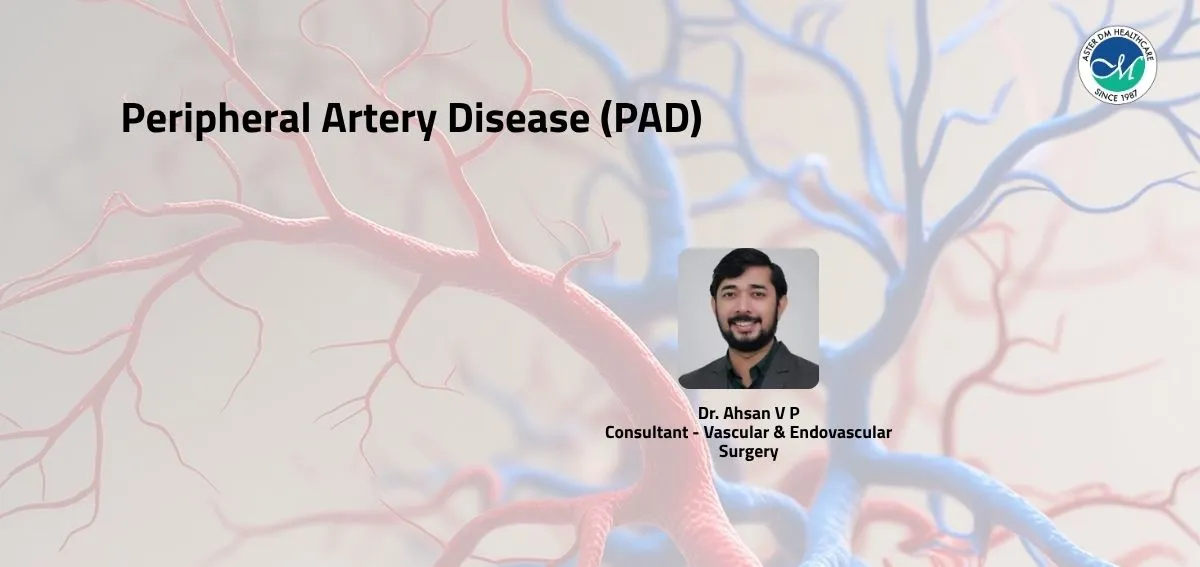
Peripheral Artery Disease (PAD) is a common vascular condition in which the arteries supplying blood to the limbs become narrowed or blocked. This usually occurs due to the buildup of fatty deposits, known as plaques, inside the arterial walls. As blood flow decreases, the muscles and tissues receive less oxygen and nutrients, especially during physical activity.
PAD is a progressive disease that can significantly affect mobility and quality of life. If left untreated, it may lead to serious complications such as chronic wounds, tissue damage, or even limb loss.
Causes of PAD
The leading cause of Peripheral Artery Disease is atherosclerosis, a condition characterized by the accumulation of cholesterol, fat, calcium, and other substances within the arteries.
Other less common causes include:
- Blood clots blocking the arteries
- Inflammatory diseases affecting blood vessels
- Traumatic injury to the arteries
- Congenital abnormalities of blood vessels
Risk Factors
Several factors increase the likelihood of developing PAD, including:
- Smoking or tobacco use
- Diabetes mellitus
- High blood pressure (Hypertension)
- High cholesterol levels
- Obesity
- Physical inactivity
- Age above 50 years
- Chronic kidney disease
- Family history of cardiovascular disease
- Previous heart attack or stroke
Signs and Symptoms
Many individuals with PAD may not notice symptoms during the early stages. As the disease progresses, symptoms become more apparent.
Common symptoms include:
- Pain or cramping in the calves, thighs, or buttocks while walking (intermittent claudication)
- Pain that improves with rest
- Coldness in one leg or foot
- Weak or absent pulses in the feet
- Numbness or weakness in the legs
- Slow-healing cuts or ulcers on the feet
- Hair loss on the legs
- Smooth, shiny skin over the affected limb
- Thickened toenails
- Pain at rest in advanced disease
- Gangrene (tissue death) in severe cases
Diagnosis
Diagnosis of PAD involves a combination of clinical examination and imaging tests.
Common diagnostic methods include:
- Detailed medical history
- Physical examination
- Ankle-Brachial Index (ABI) to compare blood pressure in the ankle and arm
- Doppler ultrasound
- CT Angiography (CTA)
- MR Angiography (MRA)
- Conventional angiography for detailed vascular assessment
Treatment
The main objectives of treatment are to improve blood circulation, relieve symptoms, prevent disease progression, and reduce the risk of cardiovascular complications.
Lifestyle Modifications
- Quit smoking
- Participate in regular walking or supervised exercise programs
- Follow a heart-healthy diet
- Maintain a healthy body weight
- Control blood sugar levels
- Manage blood pressure and cholesterol
Medications
Depending on the patient's condition, treatment may include:
- Antiplatelet medications (e.g., aspirin or clopidogrel)
- Statins to lower cholesterol
- Blood pressure medications
- Diabetes medications
- Drugs that improve walking distance in selected patients
3. Surgical Endovascular and Hybrid Procedures
When blood flow is severely reduced, intervention may be required.
Available procedures include:
- Balloon angioplasty
- Stent placement
- Peripheral arterial bypass surgery
- Amputation (only in advanced cases where limb salvage is not possible)
4. Hybrod Procedure - Where a combination of opne and endovascular techniques are used for best outcome
5. Robotic Surgery
Possible Complications
If PAD is not treated promptly, it may lead to serious health problems such as:
- Critical limb ischemia
- Persistent foot ulcers
- Gangrene
Limb loss
-> Increased risk of heart attack
- > ncreased risk of stroke
- Cardiovascular-related death
Prevention
Many cases of PAD can be prevented by adopting a healthy lifestyle.
Preventive measures include:
- Avoid smoking and tobacco products
- Exercise regularly
- Eat a balanced, heart-friendly diet
- Maintain a healthy weight
- Control diabetes, hypertension, and cholesterol
- Attend regular medical check-ups, especially if you have risk factors
Conclusion
Peripheral Artery Disease is a common but often overlooked vascular disorder that reduces blood flow to the limbs and increases the risk of serious cardiovascular events. Early detection, lifestyle modification, appropriate medical treatment, and regular follow-up can help control the condition, improve quality of life, and prevent complications such as limb loss, heart attack, and stroke.
For patients experiencing symptoms of PAD or other circulation-related problems, timely evaluation by an experienced vascular surgeon in Calicut can help determine the appropriate treatment. Advanced vascular surgery in Calicut, including endovascular procedures and other limb-saving interventions, may help restore blood flow and preserve limb function when required.
If you are looking for vascular surgery specialists in Calicut, or treatment for Peripheral Artery Disease in Calicut, early consultation can support timely diagnosis and appropriate management.
Key Takeaways
- PAD is caused mainly by narrowing of the arteries due to atherosclerosis.
- Smoking, diabetes, and high cholesterol are the major risk factors.
- The most common symptom is leg pain during walking that improves with rest.
- Early diagnosis using the Ankle-Brachial Index (ABI) and imaging tests is essential.
- Lifestyle changes, medications, and vascular procedures can successfully manage the condition.
- Timely treatment helps preserve limb function and reduces the risk of heart attack and stroke.
- If you fall into the high-risk category, get a summary from a qualified vascular specialist.