
People don’t really appreciate the ease with which they breathe through the nose until it’s blocked. If you frequently experience a blocked nose, reduced sense of smell, facial pressure, or recurring sinus infections, nasal polyps may be an underlying cause.
Nasal polyps are a common condition affecting the nose and paranasal sinuses. Although they are usually non-cancerous, they can significantly impact quality of life by affecting breathing, sleep, and the ability to smell and taste. With timely diagnosis and appropriate treatment, most people can effectively manage their symptoms and improve their overall nasal health.
What Are Nasal Polyps?
Nasal polyps are soft, painless, non-cancerous growths that develop from the lining of the nose or the paranasal sinuses. They develop as a result of persistent inflammation of the nasal lining and are commonly associated with chronic inflammatory conditions affecting the respiratory tract.
Small nasal polyps may not produce noticeable symptoms and are often discovered during an examination for another condition. However, as they enlarge or become more numerous, they can obstruct the nasal passages and sinus openings, leading to persistent symptoms.
Unlike nasal tumours, nasal polyps are benign. However, because other conditions can mimic their appearance, especially when associated with nasal bleeding, evaluation by an ENT specialist is essential for an accurate diagnosis.
What Causes Nasal Polyps?
The exact cause of nasal polyps is not fully understood, but they are strongly linked to chronic inflammation of the nasal and sinus lining. Several medical conditions can increase the risk of developing nasal polyps, including:
· Chronic rhinosinusitis, particularly when inflammation persists for more than 12 weeks.
· Allergic rhinitis, which causes ongoing irritation and swelling of the nasal passages.
· Asthma, especially when associated with chronic airway inflammation.
· Aspirin-exacerbated respiratory disease (AERD), also called Samter’s Triad, a condition characterised by asthma, nasal polyps, and sensitivity to aspirin or other non-steroidal anti-inflammatory drugs (NSAIDs).
· Cystic fibrosis, particularly in children and young adults.
· Certain immune disorders and genetic factors that predispose individuals to chronic inflammation.
While these conditions increase the likelihood of developing nasal polyps, they can also occur in individuals without any identifiable underlying disease.
Recognising the Symptoms
The symptoms of nasal polyps often develop gradually and may resemble those of allergies or chronic sinusitis. Many people delay seeking medical attention because they assume their symptoms are temporary.
Common symptoms include:
· Persistent nasal blockage or congestion
· Runny nose
· Postnasal drip
· Reduced or complete loss of smell (anosmia)
· Altered sense of taste
· Facial pressure or a feeling of fullness
· Mouth breathing
· Snoring or disturbed sleep
· Frequent sinus infections
· Headache in some individuals
The severity of symptoms generally depends on the size and location of the polyps. Larger polyps can significantly obstruct airflow and interfere with normal drainage of the sinuses.
How Are Nasal Polyps Diagnosed?
Diagnosis begins with a detailed discussion of your symptoms, medical history, and any associated conditions such as allergies or asthma.
An ENT specialist will perform a thorough examination of the nose. One of the most valuable diagnostic tools is nasal endoscopy, a minimally invasive procedure that uses a thin, endoscope equipped with a light and camera to visualise the nasal passages and sinuses in detail. This allows the specialist to identify the presence, size, and location of nasal polyps.
In some cases, a CT scan of the paranasal sinuses may be recommended. This imaging study helps determine the extent of disease, assess sinus involvement, and guide treatment planning, particularly if surgery is being considered.
Additional investigations, including blood test for IgE level, X-ray chest, allergy testing or evaluation for associated medical conditions, may be advised when clinically appropriate.
Treatment Options
Treatment aims to reduce inflammation, relieve symptoms, improve nasal airflow, and prevent recurrence. The most appropriate approach depends on the size of the polyps, the severity of symptoms, and any associated medical conditions.
Medical Management
For many patients, medication is the first line of treatment.
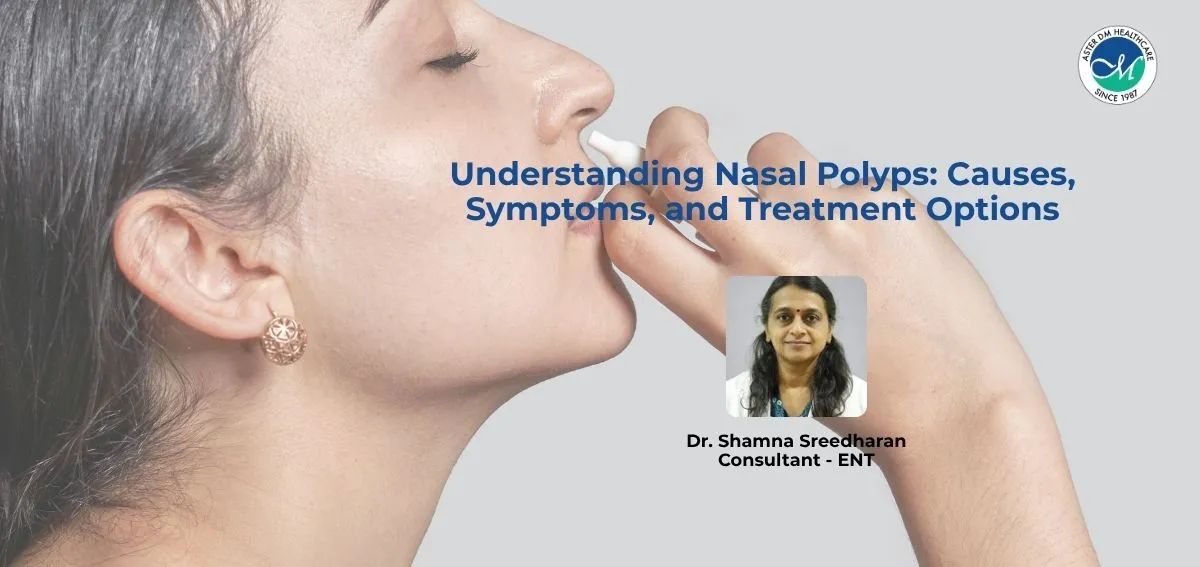
Intranasal corticosteroid sprays are commonly prescribed to reduce inflammation and gradually shrink nasal polyps. Regular use can improve nasal obstruction and restore the sense of smell in many patients.
Saline nasal irrigation helps clear mucus, allergens, and irritants while keeping the nasal passages moist. It is often recommended as part of routine daily care.
In selected cases, short courses of oral corticosteroids may be prescribed to reduce severe inflammation and rapidly decrease the size of larger polyps.
Treatment of associated conditions, such as allergic rhinitis or asthma, is equally important, as effective control of these disorders can help reduce recurrence.
For individuals with severe or recurrent nasal polyps that do not respond adequately to conventional therapy, biologic medications may be considered. These targeted therapies help control specific inflammatory pathways and are used only in carefully selected patients.
Surgical Management
When symptoms persist despite appropriate medical treatment, surgery may be recommended.
Functional Endoscopic Sinus Surgery (FESS) is the standard surgical procedure for removing nasal polyps and restoring normal sinus drainage.Using specialised endoscopic instruments inserted through the nostrils, the surgeon removes nasal polyps and restores normal drainage of the sinuses without external incisions.
Surgery can significantly improve breathing, reduce sinus infections, and enhance the effectiveness of ongoing medical therapy. However, it is important to understand that surgery does not cure the underlying inflammatory condition. Continued use of prescribed nasal medications and regular follow-up are essential to minimise the risk of recurrence.
When Should You Consult an ENT Specialist?
Medical evaluation is recommended if you experience:
· Nasal blockage lasting longer than 12 weeks
· Persistent reduction or loss of smell
· Recurrent sinus infections
· Symptoms that do not improve with standard treatment
· Difficulty breathing through the nose
· Nasal obstruction affecting only one side or associated with recurrent bleeding, which requires prompt evaluation to exclude other conditions
Early assessment helps ensure an accurate diagnosis and timely treatment before symptoms significantly affect daily life.
Conclusion
Persistent nasal congestion, loss of smell, and recurring sinus infections should never be ignored, especially when symptoms continue despite routine medications. Early diagnosis and appropriate treatment can effectively control nasal polyps, relieve symptoms, improve breathing, and reduce the risk of recurrence. Whether managed with medications, advanced biologic therapies, or Functional Endoscopic Sinus Surgery (FESS), timely intervention can significantly enhance your quality of life.
If you are experiencing ongoing nasal blockage or sinus-related symptoms, consult the best ENT specialists in Calicut at Aster MIMS Calicut. Our experienced ENT team offers comprehensive evaluation, advanced nasal endoscopy, state-of-the-art imaging, and personalised treatment for nasal polyps, chronic sinusitis, allergic rhinitis, and other complex ENT conditions. With expertise in minimally invasive endoscopic sinus surgery (FESS) and patient-centred care, we are committed to helping you breathe easier and enjoy better nasal health.