
Despite Kerala's remarkable progress in public healthcare, the resurgence of measles in Malappuram district, along with reports of deaths among young children, points to a serious public health concern. This infectious disease, once considered to be under control, is spreading again. Gaps in vaccination coverage, changing environmental conditions, and weakened immunity among children may contribute to the spread of the disease.
As measles directly threatens children's health and lives, parents and the general public must remain highly vigilant and take appropriate preventive measures.
What Is Measles?
Measles is a highly contagious airborne disease caused by the measles virus, also known as the rubeola virus, which is an RNA virus. Although it primarily affects children under five years of age, unvaccinated older children and adults can also contract the infection.
The virus spreads through airborne respiratory particles released when an infected person coughs or sneezes. It can remain infectious in the air or on contaminated surfaces in an enclosed space for up to two hours, making measles one of the most contagious infectious diseases.
Factors That Accelerate the Spread of Measles: Climate and Weakened Immunity
Five major environmental and physiological factors can contribute to the rapid spread of measles:
1. Humidity and Climate Variations
High humidity and sudden changes in temperature may influence the survival and transmission of infectious respiratory viruses. Seasonal and environmental conditions can also affect how people interact and how infections spread.
2. Enclosed Spaces and High Population Density
During the rainy season and cooler periods, children often spend more time together in enclosed rooms and poorly ventilated classrooms. Close contact in such environments increases the risk of disease transmission.
3. Weakened Immunity in Children
Malnutrition, vitamin A deficiency, and other infections can weaken a child's ability to fight disease. Children with weakened immune systems are at greater risk of developing severe complications from measles.
4. Delayed Recognition of Symptoms
When early symptoms are mistaken for an ordinary fever or common cold, appropriate precautions may be delayed. This can allow the virus to spread to other children and family members.
5. The Major Challenge: Vaccination Gaps and Misinformation
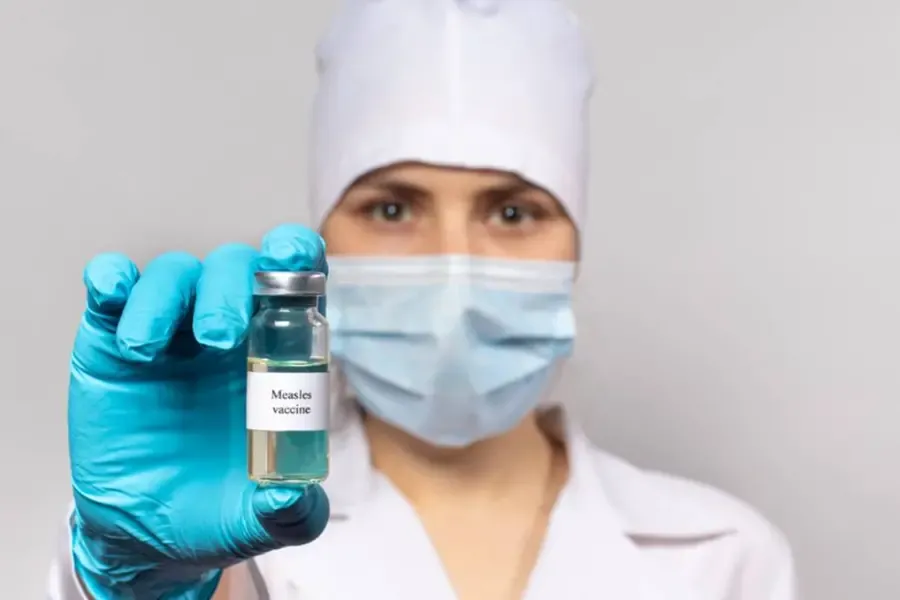
Although safe and effective measles-rubella (MR) vaccines are available free of charge through government health facilities, outbreaks can occur when vaccination coverage is inadequate.
At least 95% vaccination coverage with the recommended measles-containing vaccine doses is generally needed to maintain strong community protection and help prevent outbreaks. However, children who have not completed their vaccination schedule remain vulnerable to infection.
Receiving only the first dose does not provide the same level of protection as completing the recommended schedule. The second dose is essential for ensuring that children who did not develop adequate immunity after the first dose receive another opportunity for protection.
Misinformation and unfounded fears about vaccines may discourage parents from vaccinating their children. Forgetting vaccination dates or unnecessarily postponing vaccination because of minor illnesses can also leave children unprotected.
Symptoms of Measles: Warning Signs Parents Should Recognise
Symptoms usually develop around 10–14 days after exposure to the virus. The illness typically progresses through two main stages.
Early stage: High fever, persistent cough, runny nose, and red, watery eyes are common early symptoms. Small white spots inside the mouth, known as Koplik spots, may also appear.
Rash stage: A red, blotchy rash usually begins on the face or near the hairline and gradually spreads downwards to the neck, trunk, arms, and legs. The fever may remain high during this stage.
If a child develops symptoms suggestive of measles, parents should contact a healthcare professional promptly and avoid exposing the child to other people.
Life-Threatening Complications of Measles in Children
Measles is not merely a common fever or skin condition. Without appropriate medical care, it can lead to serious complications that may threaten a child's life.
Pneumonia: A severe lung infection is one of the leading causes of measles-related deaths.
Encephalitis: Inflammation of the brain can lead to seizures, altered consciousness, and potentially permanent neurological damage.
Severe Diarrhoea and Dehydration: Children, particularly those who are malnourished, can lose body fluids rapidly and develop life-threatening dehydration.
Ear Infections: Middle ear infections may occur and can sometimes result in hearing impairment.
Vision Problems: Measles can affect the eyes. In children with vitamin A deficiency, severe eye complications may lead to blindness.
These complications highlight the importance of timely diagnosis, appropriate medical care, adequate nutrition, and vaccination.
Treatment and Care for Measles
There is no routinely used specific antiviral treatment that directly eliminates the measles virus. Treatment primarily focuses on relieving symptoms, maintaining hydration, and preventing or managing complications.
Isolate the Infected Child: Keep the child away from other people as advised by the treating doctor. The child should not attend school or an anganwadi centre during the infectious period. Measles is generally considered contagious from four days before the rash appears until four days after its onset.
Maintain Adequate Hydration: Offer fluids frequently to prevent dehydration. Oral rehydration solution (ORS) may be used when appropriate, following medical advice.
Provide Vitamin A Under Medical Supervision: Vitamin A supplementation, when prescribed by a healthcare professional, can help reduce the risk of serious complications, particularly in children with measles.
Seek Immediate Medical Attention When Necessary: Persistent high fever, difficulty breathing, unusual drowsiness, seizures, reduced consciousness, or signs of severe dehydration require urgent medical assessment.
Parents should never attempt to manage severe symptoms at home without medical guidance.
What Parents Need to Know: Prevention Is the Best Protection
The safety of our children begins with informed decisions and timely preventive care. Measles is a vaccine-preventable disease, and completing the recommended vaccination schedule is one of the most effective ways to protect children.
Follow the Recommended MR Vaccination Schedule
First dose: At 9 months of age, according to the national immunisation schedule.
Second dose: At 16–24 months of age, according to the recommended schedule.
Complete Missed Doses: If a child has missed one or more vaccine doses, consult a healthcare professional or visit the nearest government health centre to determine the appropriate catch-up schedule. Eligible children can receive the vaccine through government immunisation services, where it is available free of charge.
Practise Good Hygiene: Wash hands regularly with soap and water. Cover the nose and mouth when coughing or sneezing, and maintain good respiratory hygiene.
Ensure Adequate Nutrition: Provide a balanced diet that includes vegetables, fruits, and other nutrient-rich foods to support children's overall health and immune function.
Avoid Misinformation: Rely on qualified healthcare professionals and trusted public health sources for information about vaccines. Do not allow rumours or unfounded fears to delay your child's immunisation.
Parents and caregivers must ensure that children receive their vaccinations on time and complete every recommended dose.
A vaccine protects not only the individual child but also contributes to the protection of the wider community by reducing the spread of infection. Protect your child. Complete the recommended vaccinations. Stay informed. Help prevent measles.