by Dr. Sheik Mohammed Sameer Khan
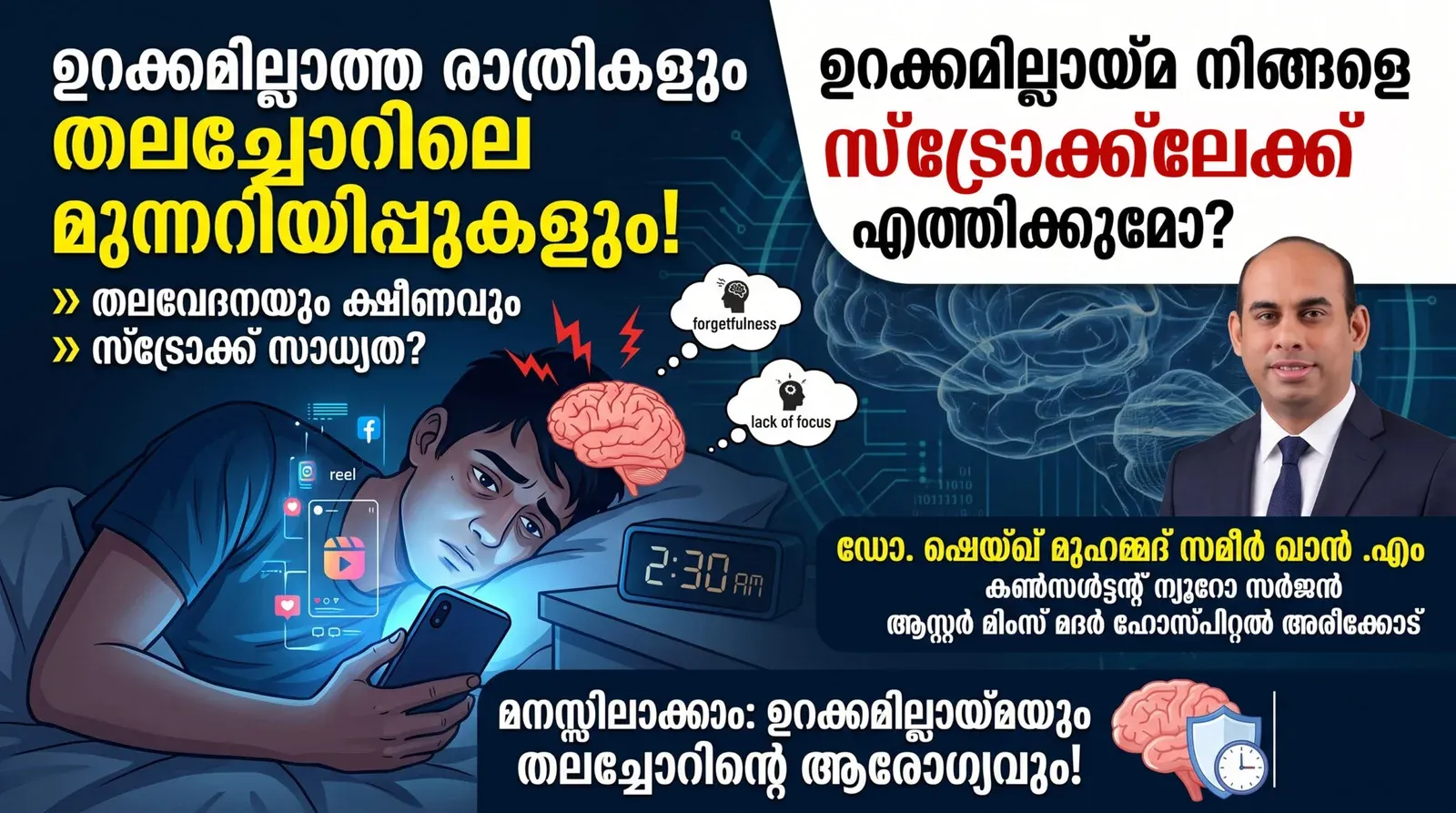

Ever notice yourself still scrolling through your phone at two in the morning, wide awake despite wanting nothing more than to fall asleep? Or waking up to your alarm feeling groggy, with a pounding head and a body that feels like it never actually rested? Maybe you've noticed you can't focus on simple tasks at work anymore, or you keep misplacing things and forgetting where you put them just moments earlier. If any of this sounds familiar, you're far from alone. What we've come to accept as "normal" side effects of modern living are, in reality, urgent signals your brain is sending you.
With July 22 marking World Brain Day, there's no better time to have a serious conversation about this issue. Modern life moves fast, and rest is usually the first thing we sacrifice to keep up. Working as an interventional neurosurgeon, I've watched the number of young patients coming into hospitals with serious brain conditions, including strokes, climb year after year. In many cases, the root cause traces back to blood vessel damage brought on by ongoing stress and poor sleep. Rather than treating these as trivial lifestyle quirks, let's look at the medical reality of how they quietly wear down brain health, and what can be done to intervene before things become critical.
Don't Ignore the Symptoms: Early Warning Signs
The first signs that the brain isn't getting adequate rest show up in the body in various ways. Don't dismiss these as merely temporary inconveniences:
- Persistent headaches: Recurring headaches that don't go away even with regular painkillers.
- Memory and attention lapses: Inability to concentrate on tasks, forgetting even small things quickly.
- Mood changes: Unexplained anger, sadness, or sudden changes in behavior.
- Excessive fatigue: Severe physical tiredness that doesn't improve even with adequate rest.
- Blurred vision or dizziness: Temporary dizziness caused by fluctuations in blood flow to the brain.
Causes and Risks
Lack of sleep and stress are not merely psychological states—they are capable of causing structural damage to brain cells.
- Excess cortisol production: Under severe stress, the body overproduces the hormone cortisol. This can harm the hippocampus, the brain region that controls memory and learning.
- Failure to clear waste products: It is only during sleep that the brain's glymphatic system becomes active and clears out toxic proteins. When sleep decreases, this process is disrupted, which can lead to diseases like Alzheimer's in the future.
- Blood pressure and stroke risk: Chronic stress raises blood pressure (hypertension), which can cause blood vessels in the brain to rupture (aneurysm rupture) or lead to blood clots (stroke).
- Changes in glucose metabolism: Lack of sleep reduces the brain's ability to use glucose, leading to a condition known as "brain fog."
In brain-related illnesses, "time" is extremely precious ("Time is Brain"). When stress and sleeplessness persist, they can lead to blockages in the arteries or to a Transient Ischemic Attack (TIA), an early warning sign of stroke.
As soon as symptoms appear, getting proper examinations (such as MRI, CT Angiogram) done with the help of a neurologist or neurosurgeon can help prevent major risks in the future, especially stroke to a significant extent.
Habits That Help Your Brain Recover
Cut back on screens before bed: Try to stay off your phone and laptop for at least an hour before sleeping. The blue light they emit interferes with melatonin, the hormone your body needs to fall asleep naturally.
Stick to a sleep routine: Aim for 7 to 8 hours of solid, uninterrupted sleep each night, and keep your sleep and wake times consistent day to day.
Move your body and calm your mind: Light physical activity for around 30 minutes, at least five days a week, helps improve blood circulation to the brain. Pairing this with yoga or meditation can further ease stress levels.
Steer clear of substances as sleep aids: Relying on alcohol or other substances to fall asleep can disrupt REM sleep quality. Sleep medication should only ever be taken under a doctor's guidance, never on your own.
At the end of the day, a well-rested brain is the foundation of a genuinely happy, balanced life. Don't let a hectic schedule convince you that rest is optional. This is the organ that shapes who you are, how you think, and how you feel, which makes it the true anchor of your health and your life.