
There are certain health conditions that cause excruciating pain. Kidney stones are one of those diseases. Many patients describe the pain as sudden and severe. Quite often patients worry about long-term kidney damage or repeated episodes. And these concerns are completely understandable.
Well, here is good news: kidney stones are treatable. In fact, the right diagnosis and guidance can lower your risk of recurrence, too. Just make sure that you seek assistance only from the leading urology hospital in India. Experts at such facilities focus beyond treatment. They ensure prevention and long-term kidney health, too.
That being said, this guide is here to help you understand the types of kidney stones and why they form. Most importantly, we will discuss how to prevent kidney stones in a safe and practical way.
What are kidney stones?
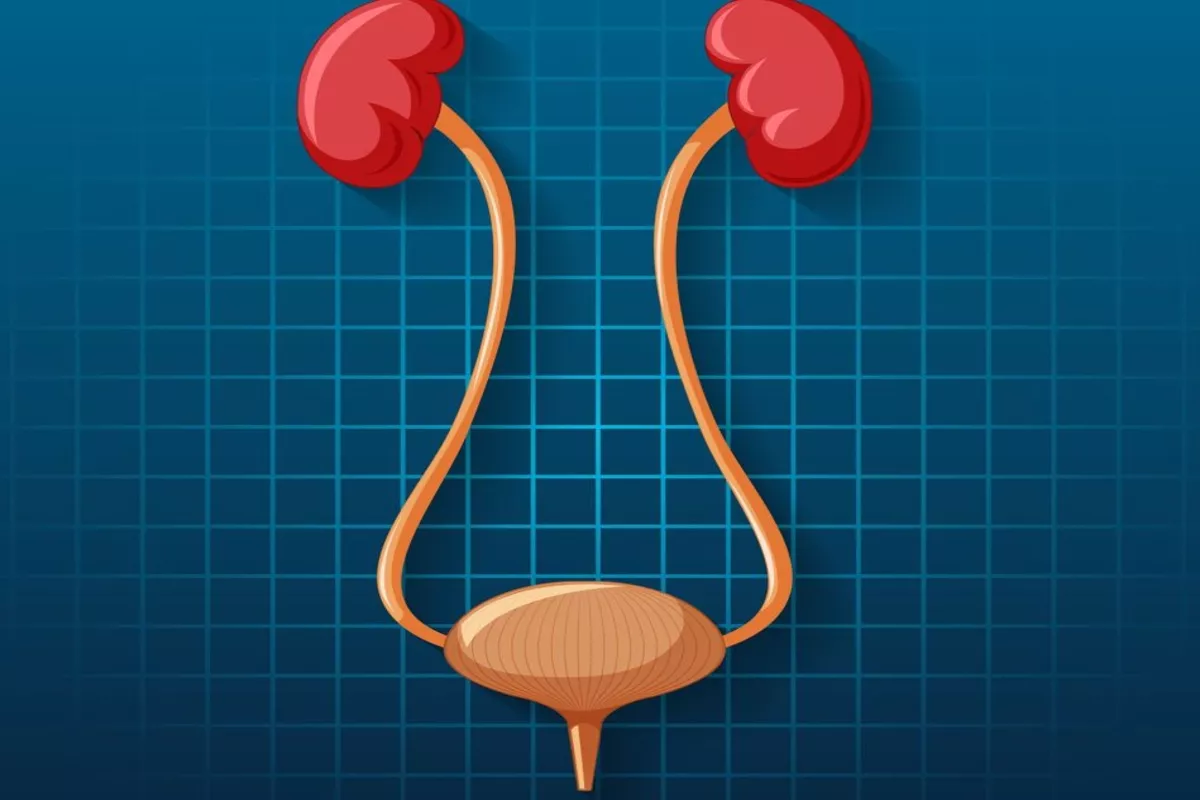
Kidney stones are solid formations made up of minerals and salts. They are formed inside your kidneys when certain substances in the urine become too concentrated. With time, these crystals stick together and grow.
Small stones end up passing through urine without causing much discomfort. But again, larger stones can block the urinary tract. This blockage causes intense pain in the back or side. It can even cause nausea, vomiting or blood in the urine sometimes.
A qualified urologist in India will evaluate your symptoms. They will then perform imaging tests such as ultrasound or CT scan and analyse your urine and blood. Understanding the stone’s type becomes essential, given each type has different causes and prevention strategies.
Types of kidney stones
Make a note that not all kidney stones are the same. Identifying the exact type is key to uncovering the right dietary and medical plan. Listed below are the main types of kidney stones seen in medical practice.
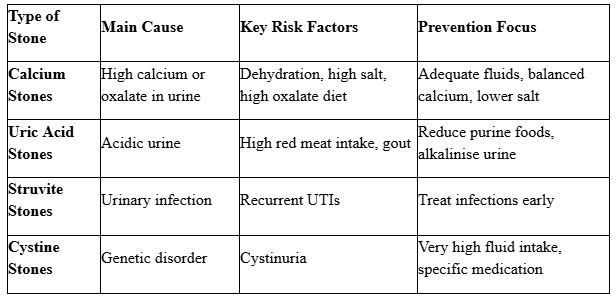
1- Calcium stones
These types of stones are the most common ones. They are usually formed as calcium oxalate and less often as calcium phosphate.
Calcium oxalate stones develop when urine contains high levels of calcium and oxalate. Oxalate is a natural substance that is often found in food like spinach, chocolate, nuts and tea. Dehydration increases the risk, given concentrated urine allows crystals to form more easily.
Despite their name, these stones do not mean you should avoid calcium completely. In fact, intaking low levels of calcium might increase oxalate absorption in the gut. This is why urologists in India advise balanced calcium intake along with controlled oxalate consumption and reduced salt.
2- Uric acid stones
These stones are formed when urine is persistently acidic. This condition is very common among people who consume high amounts of red meat and seafood. It is even observed in people with metabolic syndrome and gout.
Uric acid stones can sometimes be dissolved with medication that makes the urine less acidic. This is why early diagnosis is crucial. Proper hydration and dietary adjustments are important, too. They play a central role in how to prevent kidney stones caused by uric acid.
3- Struvite stones
These stones are linked to urinary tract infections. Certain bacteria produce substances that make the urine alkaline. This environment allows struvite crystals to grow at a rapid pace. As a result, these stones can become large in a short time, thus filling parts of the kidney. Patients end up experiencing recurrent infections, fever and even discomfort.
At a specialised urology hospital in India, treatment focuses on removing the stone and controlling the infection. Such facilities use advanced minimally invasive procedures like percutaneous nephrolithotomy and endoscopic laser treatment for the removal of large stones safely.
4- Cystine stones
These stones are the rarest. They occur in people suffering from a genetic condition known as cystinuria. In this condition, the kidneys excrete high levels of cystine. This is a type of amino acid that can turn into crystals.
These stones might recur and appear at a younger age. Long-term management includes taking in high fluids and specific medications to lower cystine levels in urine.
Common symptoms you should not ignore
The symptoms of kidney stones can present themselves in different ways. The most common symptom is severe pain in the side or back. And this pain may move to your lower abdomen or groin.
You might also experience:
- Burning sensation during urination
- Pink or red urine
- Nausea or vomiting
- Fever if infection is present
If you experience either of these symptoms, be sure to seek expert care promptly. Early evaluation at a trusted urology hospital in India ensures accurate diagnosis followed by timely treatment.
How to prevent kidney stones
Patients often wonder if there is a way to prevent kidney stones from recurring. The answer is yes in many cases. Learning how to prevent kidney stones starts with comprehending your individual risk factors.
1- Stay well hydrated
The most important step is drinking enough water. When you drink more fluid, your urine becomes diluted. This reduces the concentration of stone-forming substances.
Drink at least 2 to 3 litres of fluids every day, or more if you live in a hot climate.
2- Adjust your diet carefully
Diet plays a key role in how to prevent kidney stones.
- Reduce salt intake. Excess salt increases calcium in urine.
- Limit high oxalate foods if you form calcium oxalate stones.
- Maintain normal dietary calcium. Do not stop calcium without medical advice.
- Reduce red meat and organ meat if you have uric acid stones.
3- Maintain a healthy weight
Obesity increases the risk of kidney stones. Healthy body weight improves overall metabolic balance. It even reduces uric acid production.
4- Take prescribed medicines
Some patients may need to take prescribed medications. For example –
- Thiazide diuretics reduce calcium in urine.
- Potassium citrate makes urine less acidic.
- Allopurinol lowers uric acid levels.
Bottom line
Kidney stones have the ability to disrupt an individual’s life. Thankfully, accurate diagnosis and personalised care aid in managing them effectively.
The first step towards the treatment is understanding the types of kidney stones. Equally important is learning how to prevent kidney stones through effective tricks. And we are hopeful that this blog was able to educate you on both of these aspects.
That said, now when it comes to seeking treatment, trust only a dedicated urology hospital in India. The experts at such institutes combine evidence-based treatment with compassionate care.
FAQs
1- Can kidney stones go on their own?
Small stones tend to pass naturally through urine. However, larger stones need medical treatment. An expert would be able to assess the size and location before suggesting a plan.
2- Are kidney stones dangerous?
Not all types of kidney stones are life-threatening. However, untreated blockage or infection can irritate your kidney. Hence, prompt medical care is imperative to prevent complications.
3- How do I know which type of kidney stone I have?
Your doctor might be able to determine the type of kidney stone based on urine and blood tests. They may even analyse the passed stone. Imaging tests also help in identifying the likely type.
4- Can children develop kidney stones?
Yes, but the chances are very low. Genetic factors, dehydration as well as metabolic disorders might contribute. This is why early evaluation by experts is crucial.