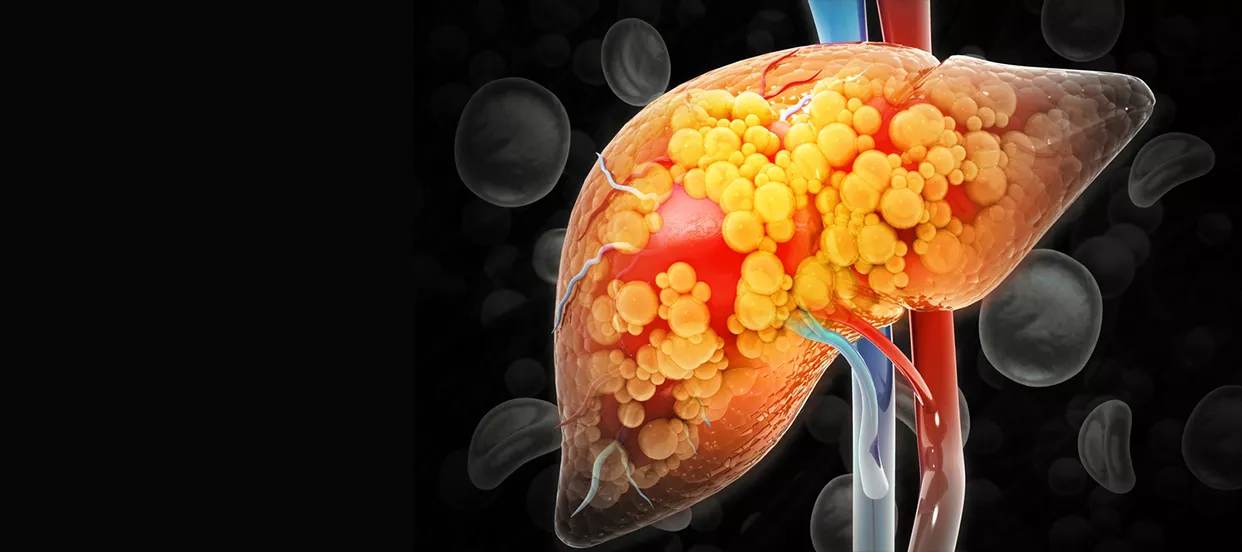
Your liver plays multiple roles in your body. Besides filtering toxins, it helps in metabolising food, storing energy and supporting immunity. Oftentimes, it is hard to feel the liver working. This is why when early injury begins, the changes can be subtle. As a result, many people ignore the signs until the disease becomes advanced.
If you are keen on safeguarding your health, start by understanding liver injury symptoms. The more you know, the better decisions you will make.
That being said, let us now dive into this blog to read about signs of liver damage in simple terms. Let’s also learn when to seek care and how to recover liver damage with timely medical support.
Why does early liver damage often go unnoticed?
Our liver has a remarkable ability to repair itself. This is why mild injury never causes obvious discomfort. In fact, symptoms don’t appear even when blood tests tend to point to something else. In cases like early fatty liver disease, viral hepatitis and alcohol-related injury, the progress can happen slowly and silently.
Most of the time, patients generally feel tired, and they assume that it is because of stress. They feel mild digestive discomfort, and they blame it on irregular meals. As a result, patients end up delaying diagnosis.
This is why routine health checks and attention to subtle liver damage symptoms matter. This is especially important if you have risk factors like diabetes, obesity, high cholesterol or a family history of liver disease.
Subtle signs of liver damage you should not ignore
Listed in this section are the early signs of liver damage that many patients miss. Each symptom alone may seem minor. However, together they can signal that your liver needs attention.
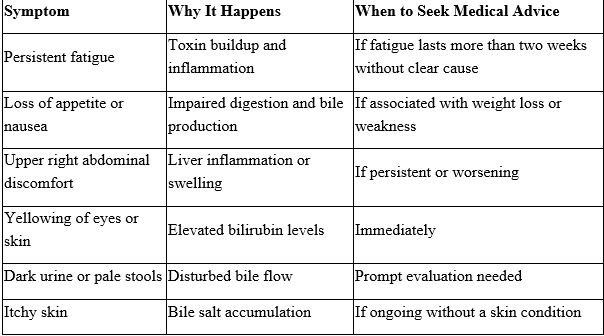
1- Persistent fatigue
Do you feel tired even after adequate rest? This is not an ordinary exhaustion. If the fatigue feels ongoing and unexplained, you need an expert’s assistance. Energy levels tend to drop when the liver struggles to metabolise.
2- Loss of appetite and nausea
If early fullness or reduced appetite has become a normal thing, it can be concerning. Also, mild nausea can be a sign of concern. The liver is known for digestion and bile production. Digestion tends to feel uncomfortable when the liver is inflamed.
3- Mild discomfort in the upper right abdomen
Many patients report feeling a dull ache or heaviness just below their right rib cage. This is where the liver sits. This pain isn’t sharp, meaning it getting ignored is very easy.
4- Unexplained weight changes
Losing weight suddenly without any effort can be a warning sign. Likewise, fluid retention in the advanced stages can result in weight loss. If you notice any early changes in your weight, speak with your doctor.
5- Yellowing of eyes or skin
Even mild yellowing of the eyes calls for urgent attention. This happens when bilirubin builds up in the blood. Jaundice is one of the very clear liver damage symptoms. However, it only appears after significant injury.
6- Dark urine or pale stools
Changes in the colour of both urine and stools can mean altered bile flow. These changes are often early biochemical signs followed by severe symptoms later.
7- Itchy skin
Persistent itching without a rash may be related to bile salt accumulation. Although patients don’t link itching with liver disease, it could be one of the subtle signs of liver damage.
Who is at higher risk?
People with the following concerns are at high risk of liver damage –
- Have diabetes or obesity
- Consume alcohol regularly
- Have viral hepatitis B or C
- Take certain long-term medications
- Have fatty liver disease
- Have a family history of liver disorders
If you closely relate with any of these factors, book a regular consultation with a hepatologist in India. They can monitor your liver health. Early blood tests as well as ultrasound imaging often assist in the detection of disease before symptoms worsen.
How do doctors diagnose early liver damage?
When you visit a liver hospital in India for liver damage, they conduct a thorough yet straightforward evaluation.
The process begins with careful comprehension of your symptoms. The experts will then recommend blood test checks like enzymes, bilirubin and clotting function. These tests help in the detection of inflammation early on.
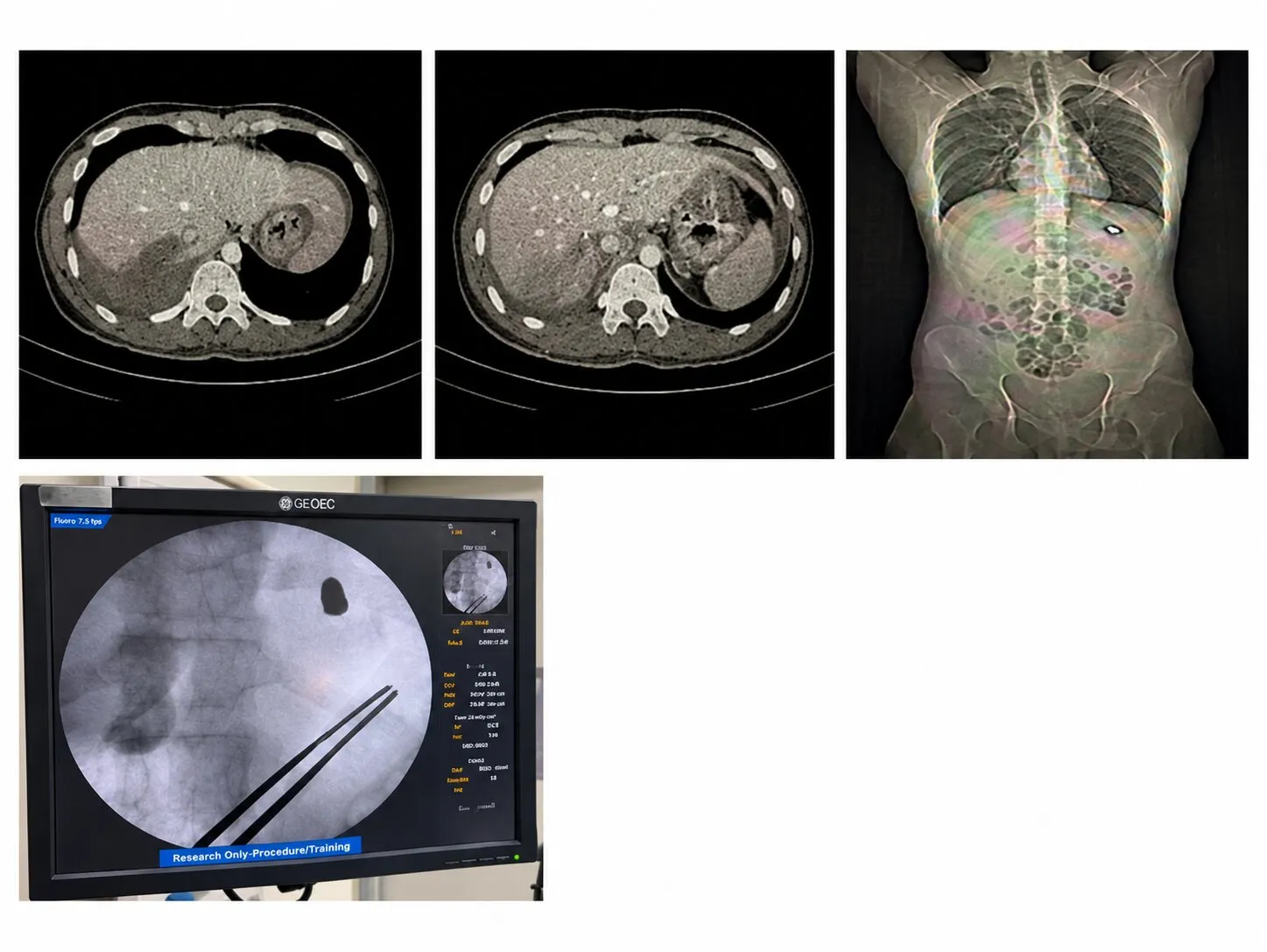
Imaging studies like ultrasound, FibroScan, CT scan or MRI help assess fat accumulation and fibrosis. They can even uncover any structural changes. In selected cases, the experts also suggest liver biopsy. It helps understand the severity of the injury.
A hepatologist in India works closely with radiologists, gastroenterologists and transplant specialists. This collaborative approach ensures accurate diagnosis and safe management.
How to recover from liver damage safely?
Many patients ask, can the liver heal? In early states, the answer is often yes. The liver has strong regenerative ability. But again, recovery hinges on the cause and stage of disease.
Comprehending how to recover liver damage starts with identifying and removing the underlying triggers.
For instance, if alcohol is the cause, complete abstinence is the only option. If you have fatty liver, focus on gradual weight loss and regular exercise. With hepatitis being diagnosed, use antiviral medications to prevent progression.
Other than these changes, your doctor might suggest you control your blood sugar, manage cholesterol and get vaccinated against hepatitis A and B.
Conclusion
Your liver rarely complains loudly. Instead, it whispers through subtle changes. Fatigue, appetite loss, mild discomfort or skin changes may seem small. Yet they can represent early signs of liver damage.
So, pay attention to these liver damage symptoms to protect your health. Besides, early diagnosis improved recovery. Also, knowing how to recover liver damage empowers you to take practical steps with medical guidance.
FAQs
1- Can early liver damage be reversed?
Yes, it can be in many cases. With early detection and prompt treatment, a damaged liver regenerates and recovers significantly.
2- Are liver damage symptoms always painful?
No. Many liver damage symptoms are painless and subtle. Fatigue and appetite changes are more common than severe pain in early stages.
3- How often should I get my liver tested?
For those with risk factors such as diabetes, obesity, or alcohol use, annual screenings are highly suggested. Your doctor may advise you to undergo tests more frequently, depending on your health status.
4- Why should I see a hepatologist in India?
It is best to seek an expert’s assistance at a liver hospital in India if your blood tests are abnormal or your symptoms persist. If you have chronic liver disease, consult an expert right away. Early evaluation ensures long-term outcomes.