
Living with chronic pain can be exhausting. Choosing the right pain doctor is not just about finding someone who prescribes medication—it is about finding a comprehensive pain care system. Here’s what you should look for:
Look for a Comprehensive Care Team
Pain is rarely just a “single problem.” The best pain services are built around a team approach, not a single doctor working alone. Comprehensive care improves diagnosis accuracy and long-term outcomes.
Ensure They Focus on a Specific Diagnosis
Avoid clinics that offer only temporary relief without clarity. A good pain team will:
- Identify the exact pain generator
- Explain the diagnosis clearly
- Offer treatment plans tailored to that condition
Pain management must be diagnosis-driven, not injection-driven.
Check for Interdisciplinary Services
Chronic pain often involves nerves, muscles, joints, and emotional stress. A strong pain center integrates:
- Pain physicians
- Rehabilitation specialists
- Psychologists
- Other relevant specialists
This ensures all contributing factors are addressed.
Subspecialty Clinics Matter
Advanced pain centers often have dedicated clinics such as:
- Headache clinic
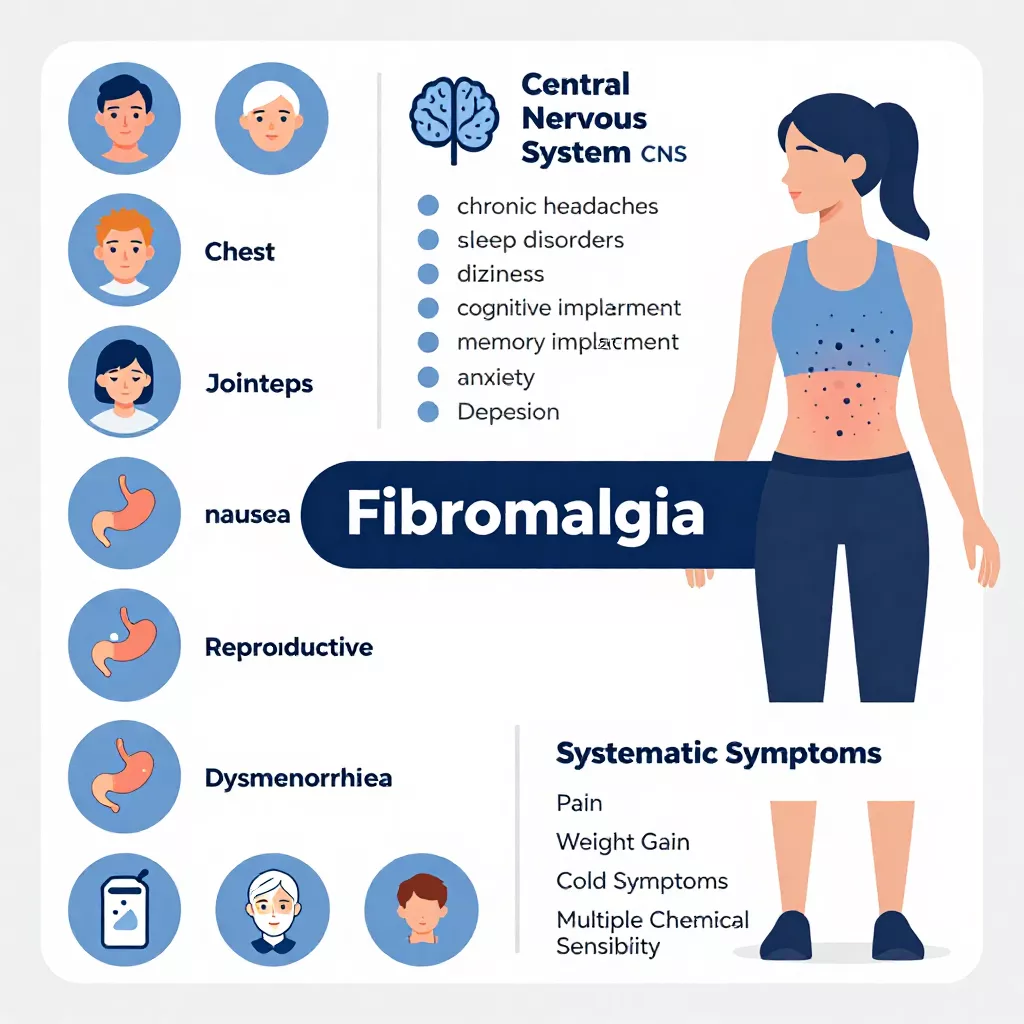
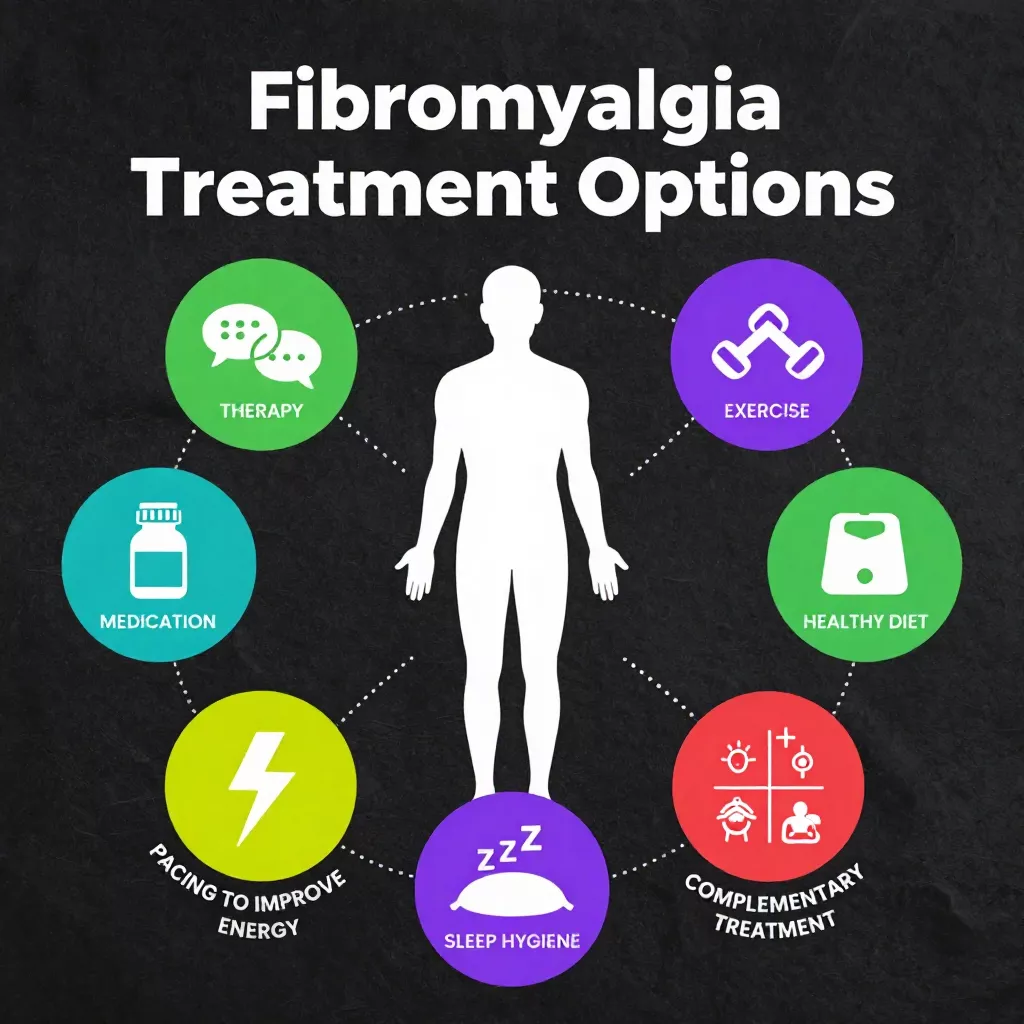
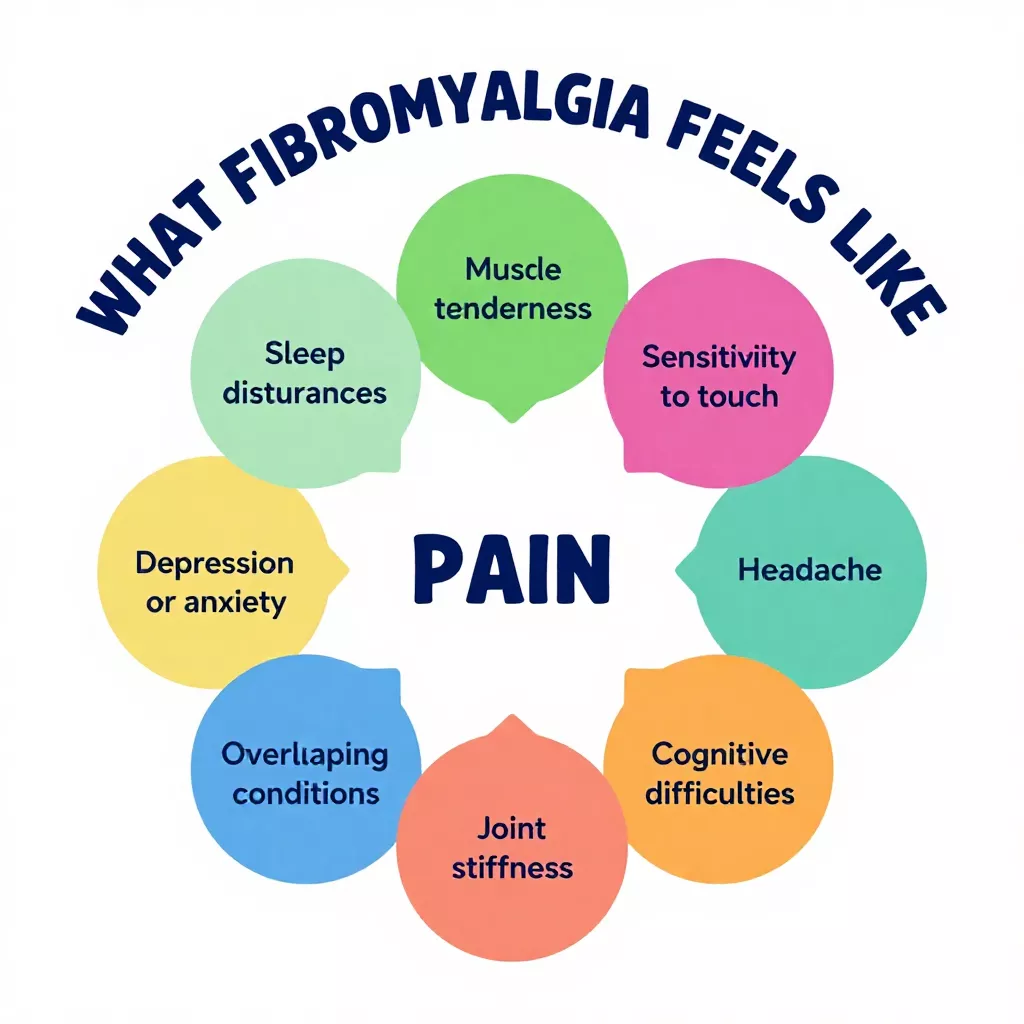
- Fibromyalgia clinic
- Spine or neuropathic pain services
Subspecialization reflects deeper expertise and structured care pathways.
Advanced Interventional Infrastructure
If procedures are required, safety and precision are critical. Look for:
- Biplanar Cath Lab facilities
- Advanced MSK ultrasound machines
- Neuroanaesthesia support services
These indicate high-level interventional capability and patient safety standards.
Rehabilitation Must Be Integrated
Pain relief without rehabilitation often leads to recurrence. Integrated physiotherapy and functional restoration programs are essential for long-term recovery.
Availability of Home Support
Chronic pain patients may need follow-up care, medication monitoring, or rehabilitation guidance at home. Clinics offering structured home-care support provide continuity beyond hospital walls.
End-to-End Care Model
The ideal pain service should provide:
- Diagnosis
- Interventions
- Rehabilitation
- Psychological support
- Long-term follow-up
This avoids fragmented care.
Psychological & Psychiatric Support
Chronic pain affects mood, sleep, and mental health. Access to psychological and psychiatric services ensures holistic recovery when needed.
Final Thought
Selecting a pain doctor is about choosing a system of care, not just a consultation. A structured, interdisciplinary, diagnosis-focused approach with advanced infrastructure and rehabilitation support offers the best chance for meaningful, lasting pain relief.