
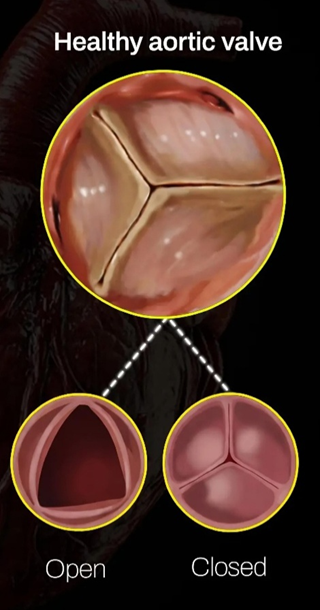
- What is aortic stenosis ?
A normal aortic valve acts as a flexible, one-way gate that opens fully to let oxygen-rich blood flow seamlessly from the left ventricle into the aorta. Conversely, a stenotic aortic valve suffers from progressive narrowing and stiffening of its leaflets, creating a rigid obstruction that forces the heart to pump significantly harder to circulate blood to the body.
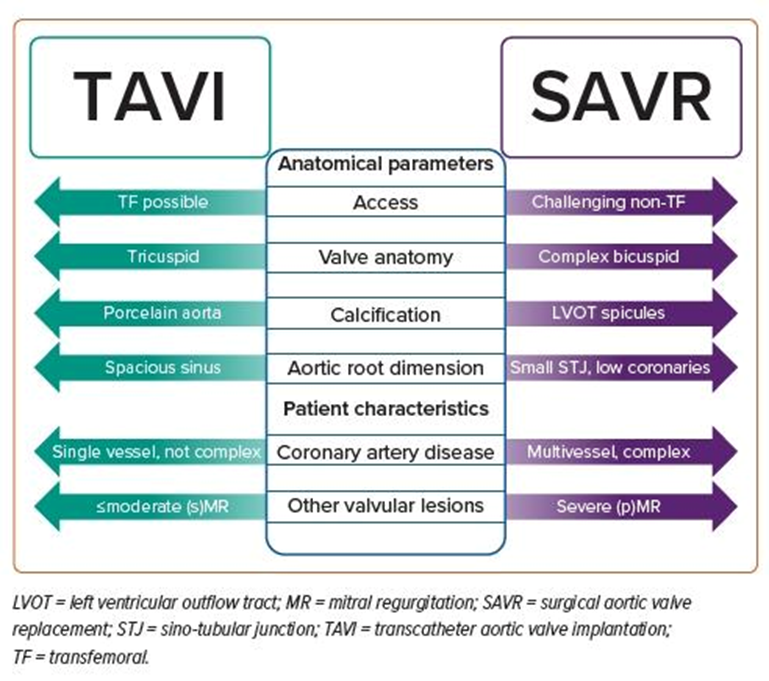
Severe symptomatic aortic stenosis carries a 2-year mortality rate exceeding 50% without intervention. Surgical aortic valve replacement (SAVR) and Non Surgical Trans-catheter Aortic valve Implantation (TAVI) are the established standard of care.
TAVI or TAVR is approved for Extreme, high, and intermediate surgical-risk strata, and select low-risk elderly patients (typically age 65–75 years depending on guidelines and anatomy).
- When to Suspect/Refer:
Cardinal symptoms: Exertional dyspnea, angina, presyncope/syncope.
Examination findings: Harsh, late-peaking systolic ejection murmur at the right upper sternal border, radiating to the carotids, with a soft or absent S2 and pulsus parvus et tardus.
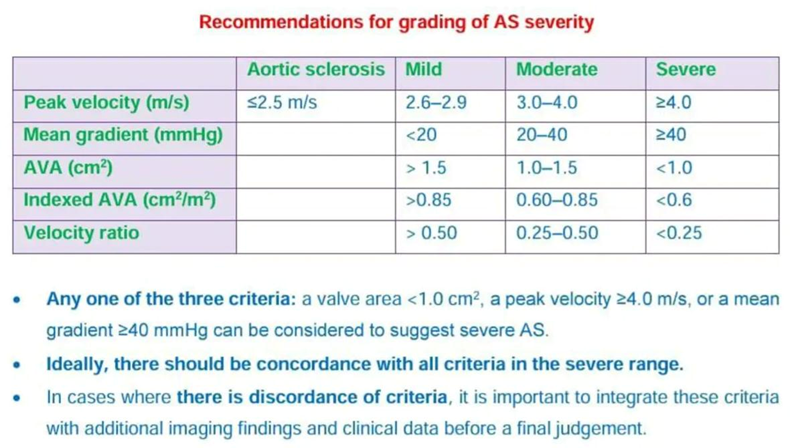
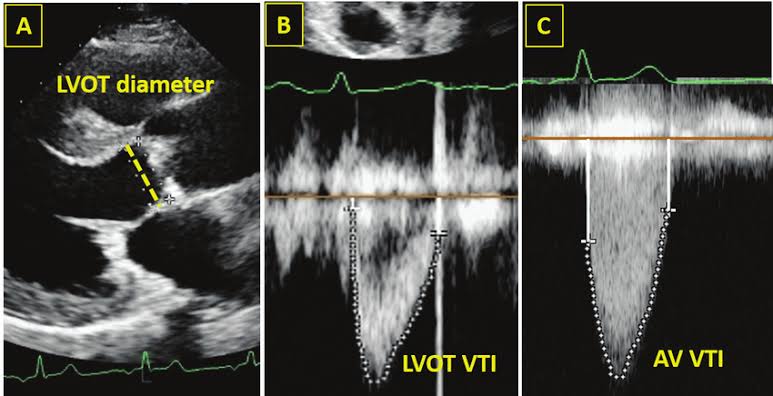
Diagnostic criteria on Echocardiography:
Aortic valve Peak velocity > 4.0 m/s,
Aortic valve mean gradient > 40 mmHg or
aortic valve area (AVA) < 1.0 sq.cm (index AVA < 0.6 sq. cm/sq. m BSA).
- Understanding TAVI
What is TAVI?
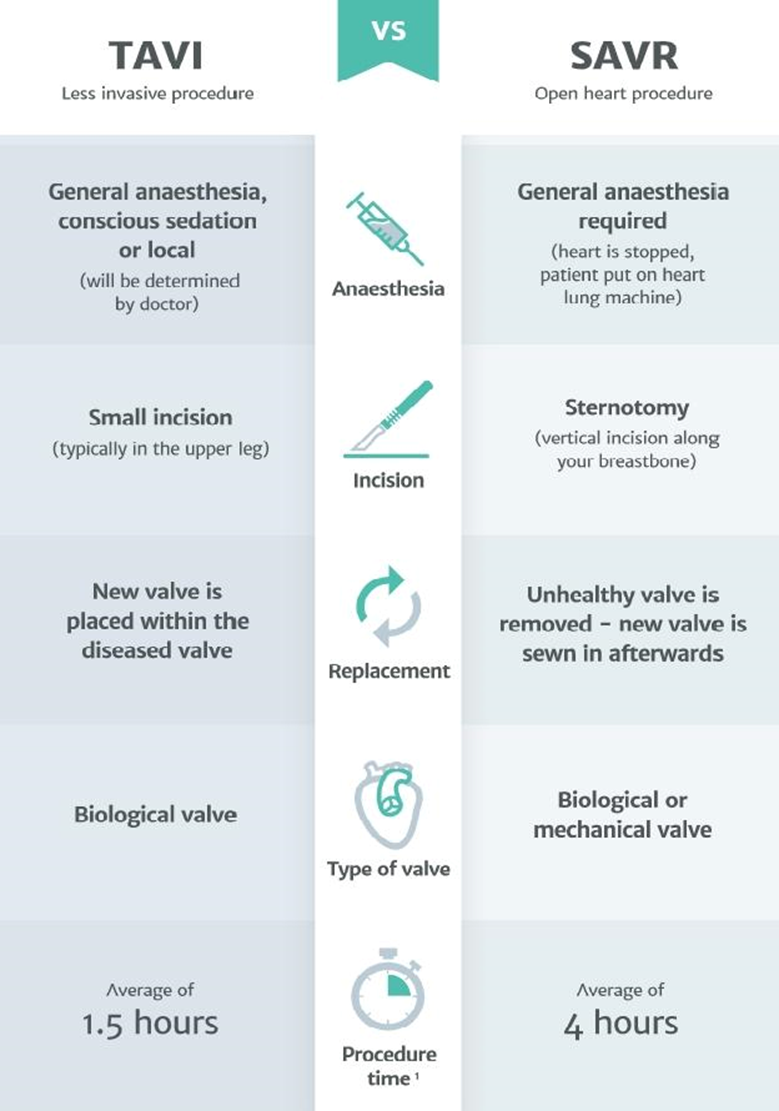
Transcatheter Aortic Valve Implantation (TAVI), also known as TAVR, is a minimally invasive procedure to replace a narrowed aortic valve (aortic stenosis) without open-heart surgery.
How it works:
TAVI (Transcatheter Aortic Valve Implantation), also known as TAVR, works by wedging a replacement biological valve inside your existing damaged aortic valve through a minimally invasive catheter system without removing the old, stenotic valve leaflets. Unlike open-heart surgery, it does not require splitting the chest bone. Instead, the replacement valve is compressed, guided through a blood vessel, and expanded directly at the site of the diseased valve to immediately restore normal blood flow.
Key Benefits:
No large chest incision or sternotomy
Typically performed under local anesthesia or conscious sedation
Shorter hospital stay (often 1–3 days) and faster return to daily activities
- What is Trans Catheter heart valve ?
A replacement valve used in TAVI. Doctor threads the collapsed valve through a thin tube, or catheter, from an artery in the leg up to the heart. The new valve expands inside the old, diseased valve to restore normal blood flow.
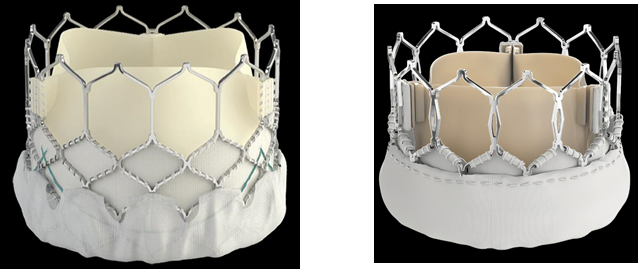
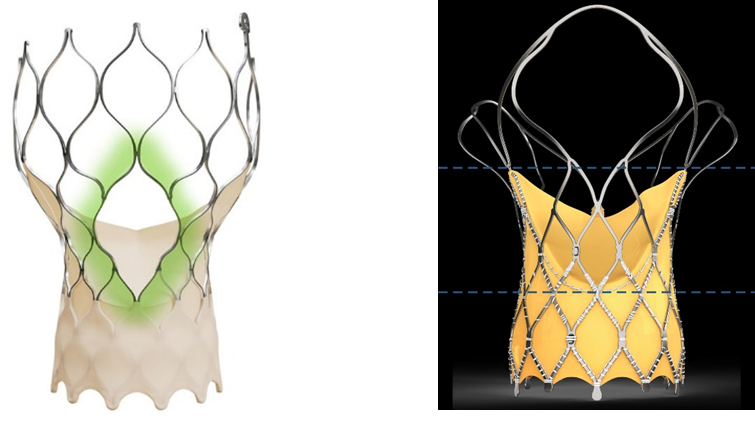
There are two types of Valves – Balloon expanding valve (BEV) and Self expanding valve (SEV). Type of valve suitable for particular patient depends upon native valve complex anatomy assessed on CT scan.
Balloon expanding valves: Edward Sepian valve & Meril-Octacore valve
Self expanding valves: Medtronic – Evolute FX plus & SMT – HYDRA valve
- Pre-TAVI Workup & Multidisciplinary Evaluation
- Transthoracic/Transesophageal Echocardiography: Confirms severity, left ventricular ejection fraction (LVEF), and annular dimensions.
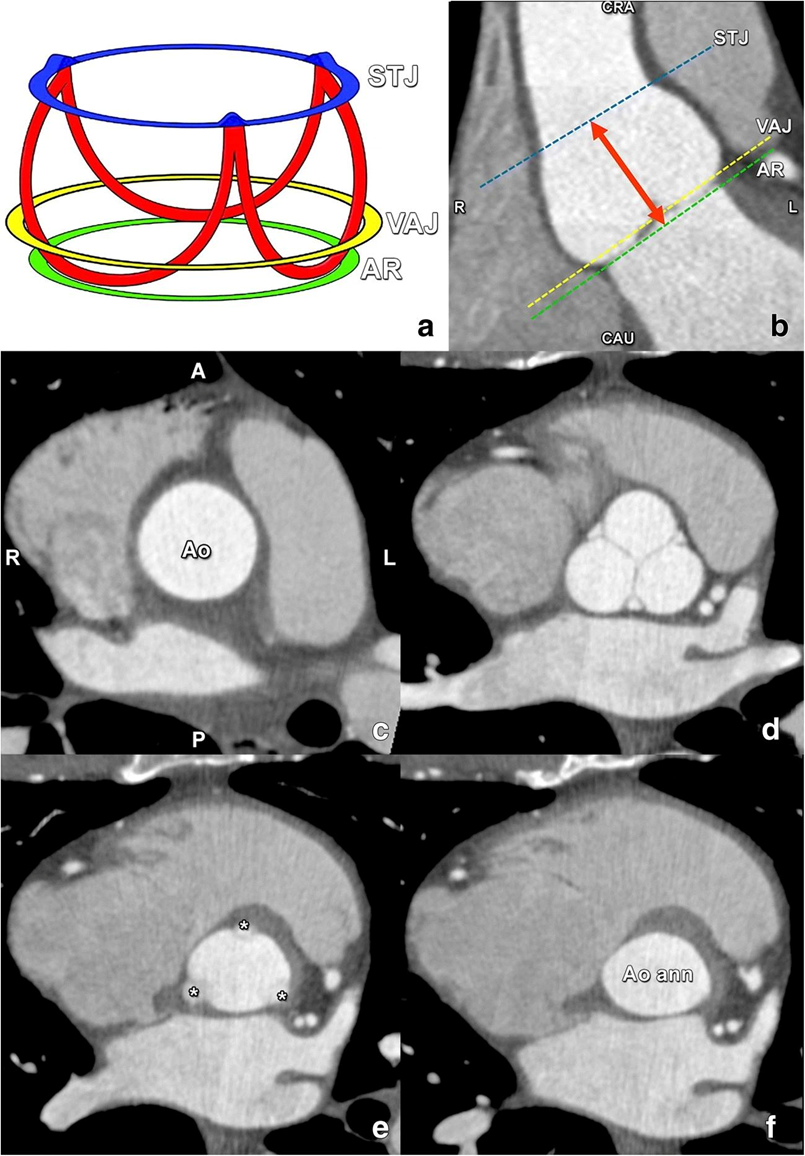
- Electrocardiogram-gated CT Angiography [TAVI protocol]: Evaluates annular sizing, coronary ostial heights, calcification burden, and vascular access feasibility.
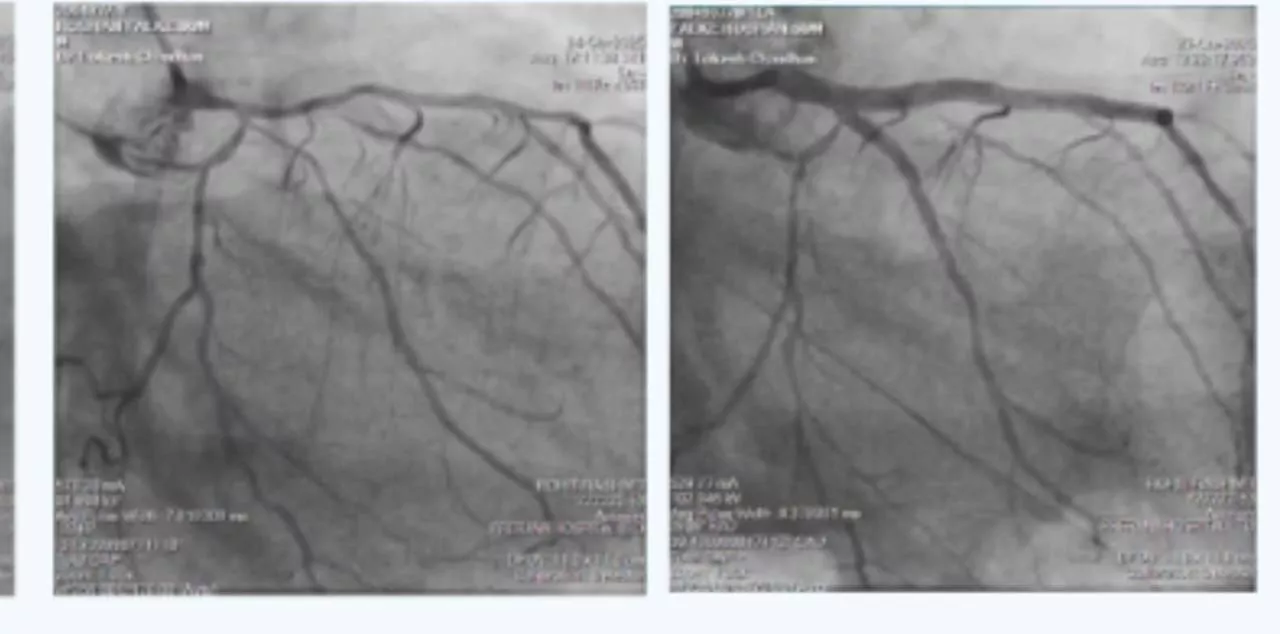
- Coronary Angiography: Assesses concomitant coronary artery disease requiring revascularization prior to or during TAVI.
Echocardiography showing severe aortic stenosis.
CT Scan analysis after ECG gated Cardiac CT scanning
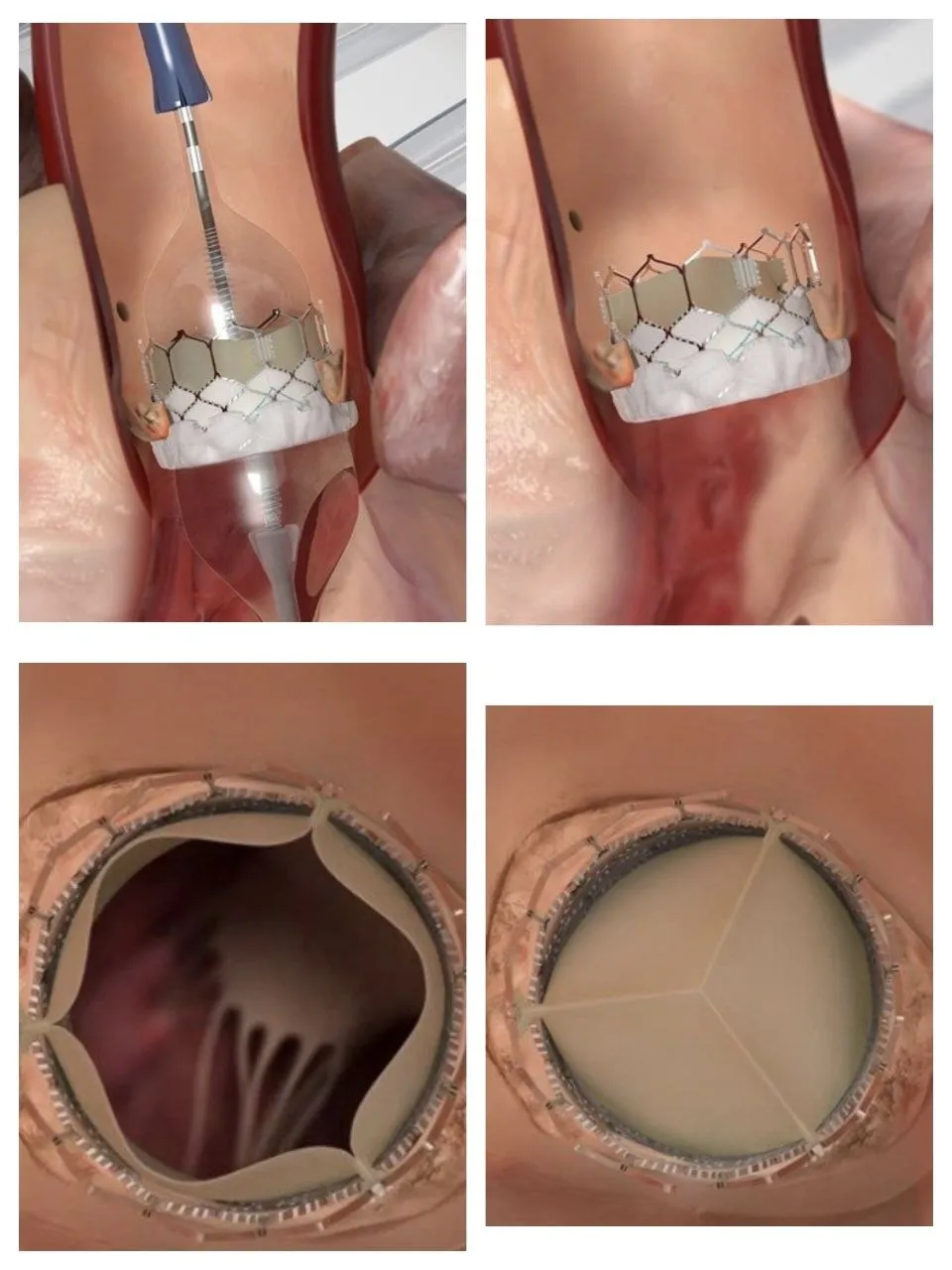
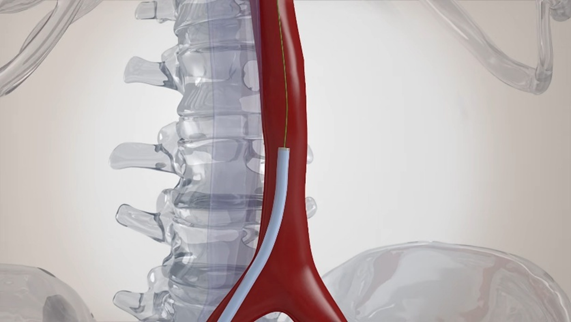
Procedure-
Femoral artery access
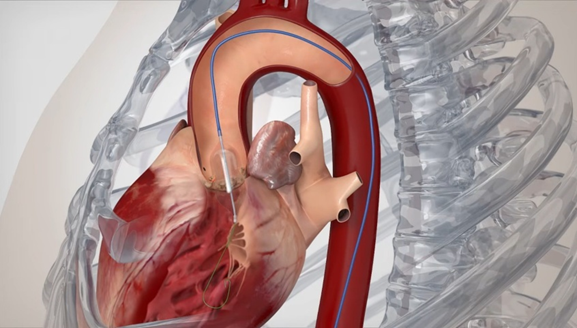
Crossing of degenerated stenosed aortic valve with guide wire and aortic balloon valvotomy
Tracking Trans-catheter heart valve (THV) System through descending thoracic aorta into across aortic valve
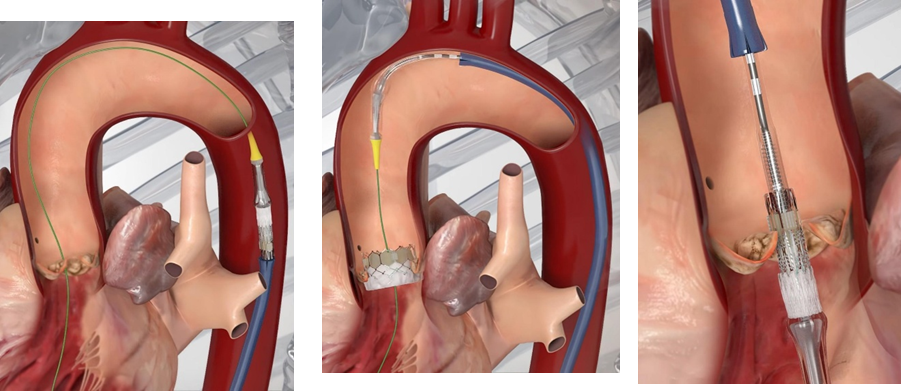
Valve deployment under rapid ventricular pacing
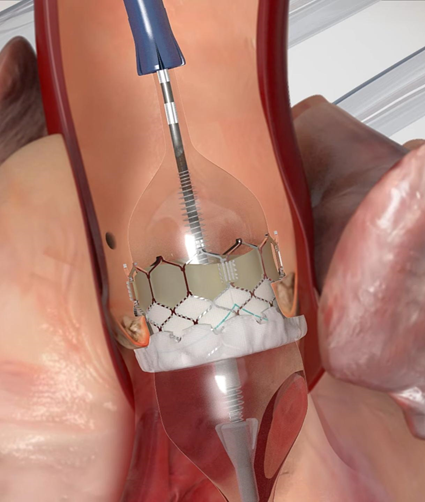
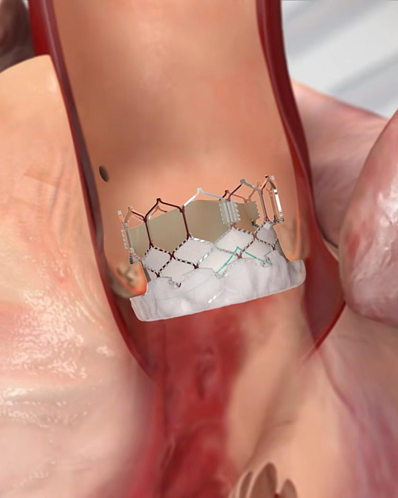
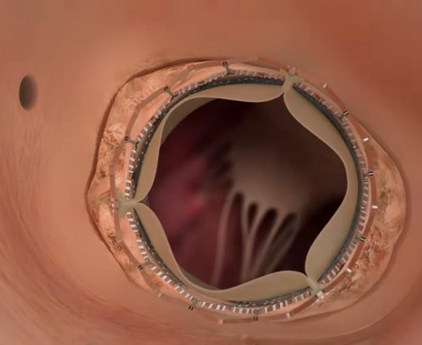
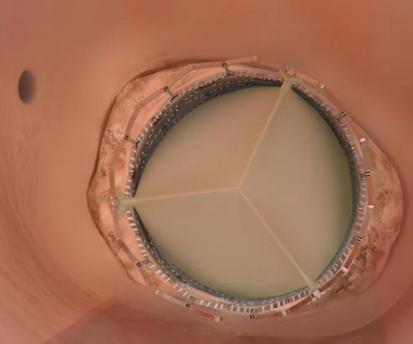
Immediate functioning and Opening and closing of implanted valve
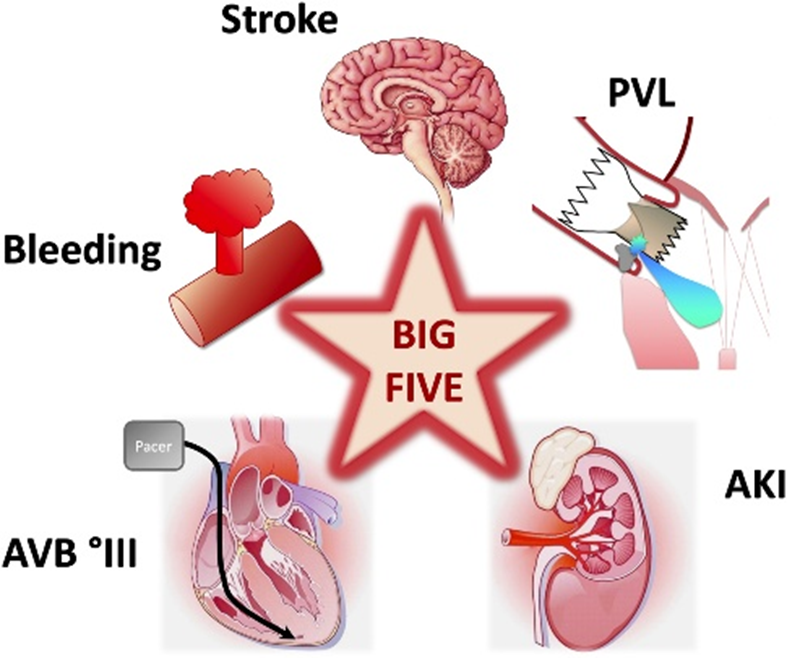
Common complications of TAVI
- Post-Procedure Management & Primary Care Follow-Up
- 1. Antithrombotic Therapy: Single antiplatelet therapy (typically Aspirin 75–100 mg daily) is preferred in patients without separate oral anticoagulation indications; lifelong single antiplatelet is standard.
- 2. Conduction Monitoring: High surveillance for high-grade atrioventricular (AV) block or new left bundle branch block (LBBB) requiring permanent pacemaker (PPM) implantation.
- 3. Endocarditis Prophylaxis: Mandatory antibiotic prophylaxis for high-risk dental or invasive procedures.