
Pancreatic cancer is silent — your awareness shouldn’t be. 💜
A Silent Disease That Deserves Attention: Understanding Pancreatic Cancer
Pancreatic cancer is called a “silent disease” because its early signs are mild and easy to ignore. Common issues like stomach discomfort, back pain, or slight weight loss may seem harmless but can sometimes be early warnings. Since these symptoms are often overlooked, diagnosis is usually delayed. This is why awareness matters — knowing the signs and risks helps people seek medical help sooner.
What Is the Pancreas and Why Is It Important?
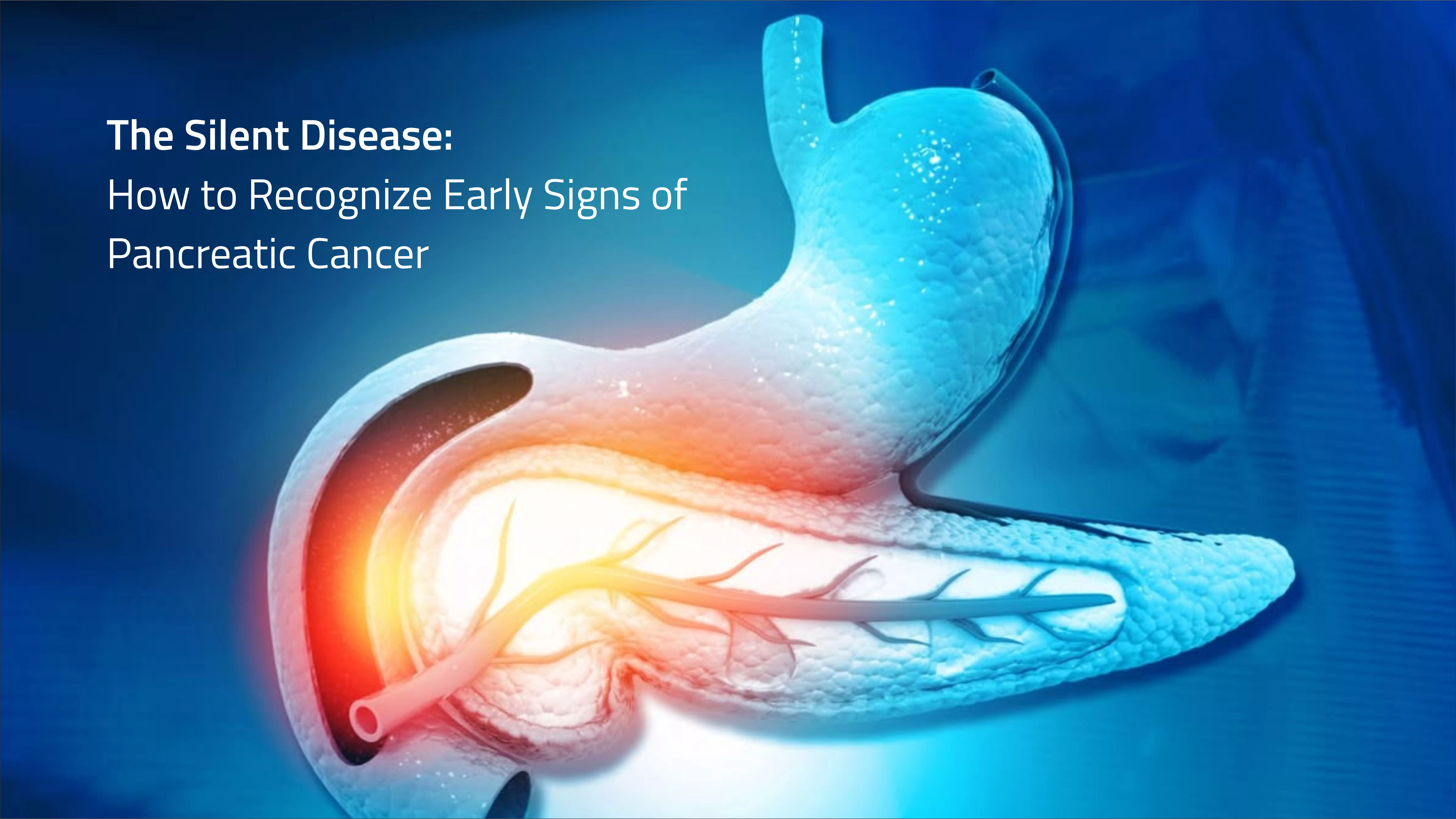
The pancreas is a small organ located deep in your abdomen, behind the stomach. Even though it is not very large, it plays two very important roles in your body.
1. It helps with digestion.
The pancreas produces digestive juices that help break down food. These juices help your body absorb nutrients properly.
2. It controls blood sugar.
The pancreas makes insulin, the hormone that manages your blood sugar levels.
When cancer develops in the pancreas, both digestion and blood sugar control can be affected, sometimes even before symptoms are noticeable.
Why Pancreatic Cancer Is Often Diagnosed Late
Pancreatic cancer is hard to detect early because:
- The pancreas is hidden deep inside the body.
- Small tumors cannot be felt during routine check-ups.
- Early symptoms are vague.
- Indigestion, bloating, mild back pain, or tiredness are very common. Many people do not think these could be signs of cancer.
- People wait too long to see a doctor.
- Because the symptoms seem normal or harmless, they delay getting checked.
Possible signs of pancreatic cancer include:
- Persistent pain in the upper abdomen or back
- Unexplained weight loss
- Loss of appetite or feeling full quickly
- Indigestion or bloating that doesn’t improve
- Jaundice (yellowing of the skin or eyes)
- Dark urine or pale stools
- New-onset diabetes after age 50
- Extreme tiredness without a clear reason
It’s not one symptom alone that is worrying. It is the combination and persistence of symptoms that should raise concern.
Risk factors include:
- Age over 50 years
- Smoking (one of the biggest risk factors)
- Long-term diabetes
- Sudden new diabetes later in life
- Obesity or lack of physical activity
- Chronic pancreatitis (long-term inflammation of the pancreas)
- Family history of pancreatic or related cancers
People with these risk factors should be extra aware of symptoms and should not delay seeking medical advice.
Myth: “Pancreatic Cancer Cannot Be Treated”
This is one of the most common and harmful myths.
The truth is:
Pancreatic cancer is treatable especially when diagnosed early.
The success of treatment depends on:
- How early the cancer is found
- The person’s overall health
- Access to specialized treatment centers
If detected early, surgery combined with modern chemotherapy can offer long-term survival and sometimes even cure. Even in advanced stages, treatment can improve quality of life, reduce pain, and help people live longer.
The Role of Surgery and Specialized Care
Surgery is an important treatment for pancreatic cancer, but it is not suitable for everyone. Only certain patients are eligible, usually those diagnosed early. Pancreatic surgery is complex, so it must be performed at experienced centers with a skilled medical team.
A good treatment center usually has:
- Surgical oncologists
- Medical oncologists
- Gastroenterologists
- Radiologists
- Supportive care specialists
A multidisciplinary team ensures that patients get the correct diagnosis, the right treatment plan, and the safest care possible.
When Should You See a Doctor?
- Persistent abdominal or back pain
- Unexplained weight loss
- Yellowing of the eyes or skin
- Digestive symptoms that don’t improve
- Sudden changes in blood sugar levels
Most people with back pain or indigestion do not have cancer. However, if these symptoms persist or worsen, it is important to consult an experienced Oncologist in Bangalore for proper evaluation. Seeking timely care at a trusted Oncology hospital in Bangalore can significantly improve early detection and treatment outcomes. Listening to your body and acting early can truly save lives.